Tag: planning applications

  • What is a Vehicle Tracking Diagram?  A Guide for Developers

    What is a Vehicle Tracking Diagram? A Guide for Developers

    Approximately one in five planning applications in the UK are initially rejected as invalid, with non-compliant site maps cited as the most frequent cause for failure. For any developer, a vehicle tracking diagram is far more than a simple technical drawing; it serves as the definitive legal proof that your proposed site layout is functional and safe. You likely recognize the stress of selecting the correct vehicle templates, such as fire tenders or refuse trucks, knowing that a single unworkable access point can lead to a costly planning refusal from the Local Highway Authority.

    We understand the pressure of meeting stringent highway standards while trying to maximize every square meter of your site. This guide provides a clear understanding of Swept Path Analysis (SPA) and explains how a professional vehicle tracking diagram functions as critical evidence for your application. You’ll learn how to ensure your layout meets the latest 2026 regulatory benchmarks, including updates to the Manual for Streets. We will preview how to bridge the gap between software features and engineering requirements to deliver a site that is both compliant and highly efficient.

    Key Takeaways

    • Understand why a vehicle tracking diagram is a mandatory requirement for proving site accessibility to Local Highway Authorities and emergency services.
    • Distinguish between wheel paths and body envelopes to ensure your layout accommodates the full physical footprint of a manoeuvring vehicle.
    • Identify the specific design templates required for your project, including the standard 11.4m refuse collection vehicle used by most UK councils.
    • Learn how professional interpretation of swept path data can justify tighter site layouts without compromising on safety or regulatory compliance.
    • Recognise the limitations of automated software and why expert engineering oversight is essential for securing planning approval.

    What is a Vehicle Tracking Diagram in UK Planning?

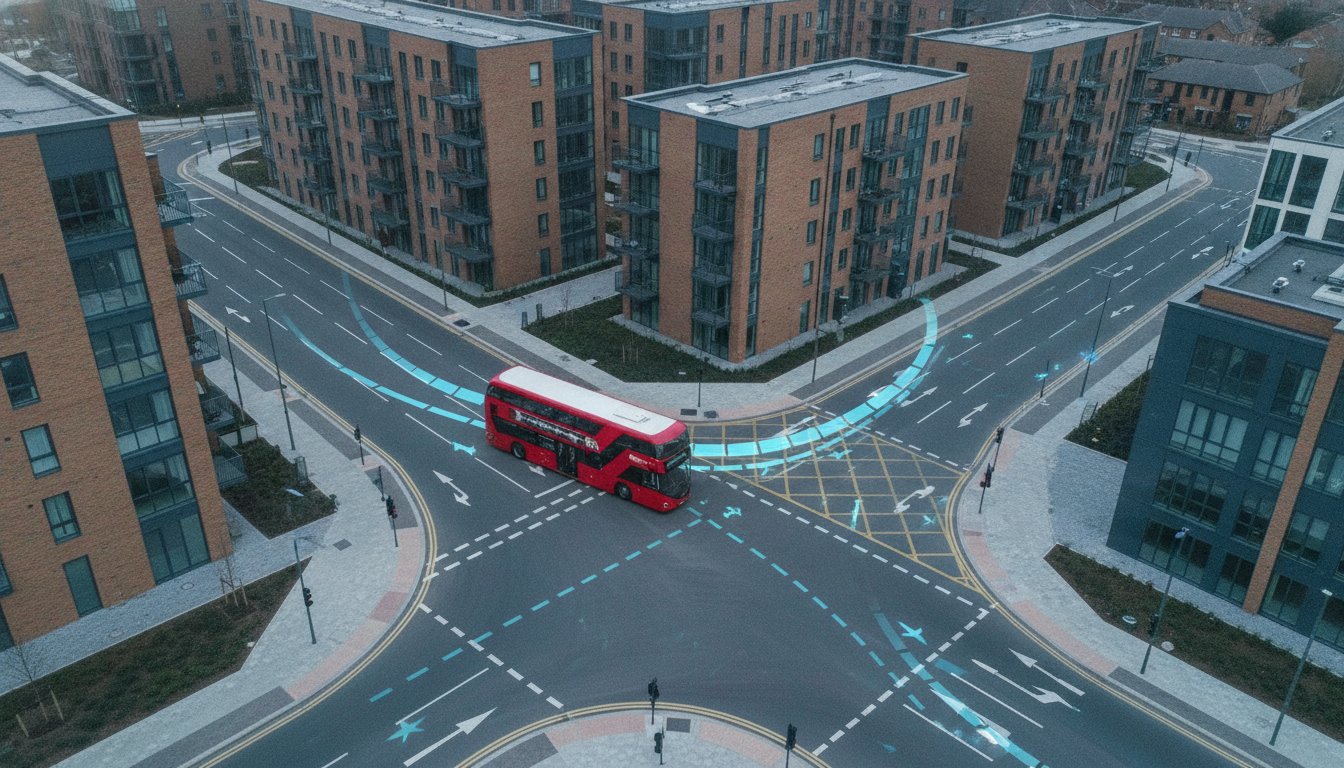
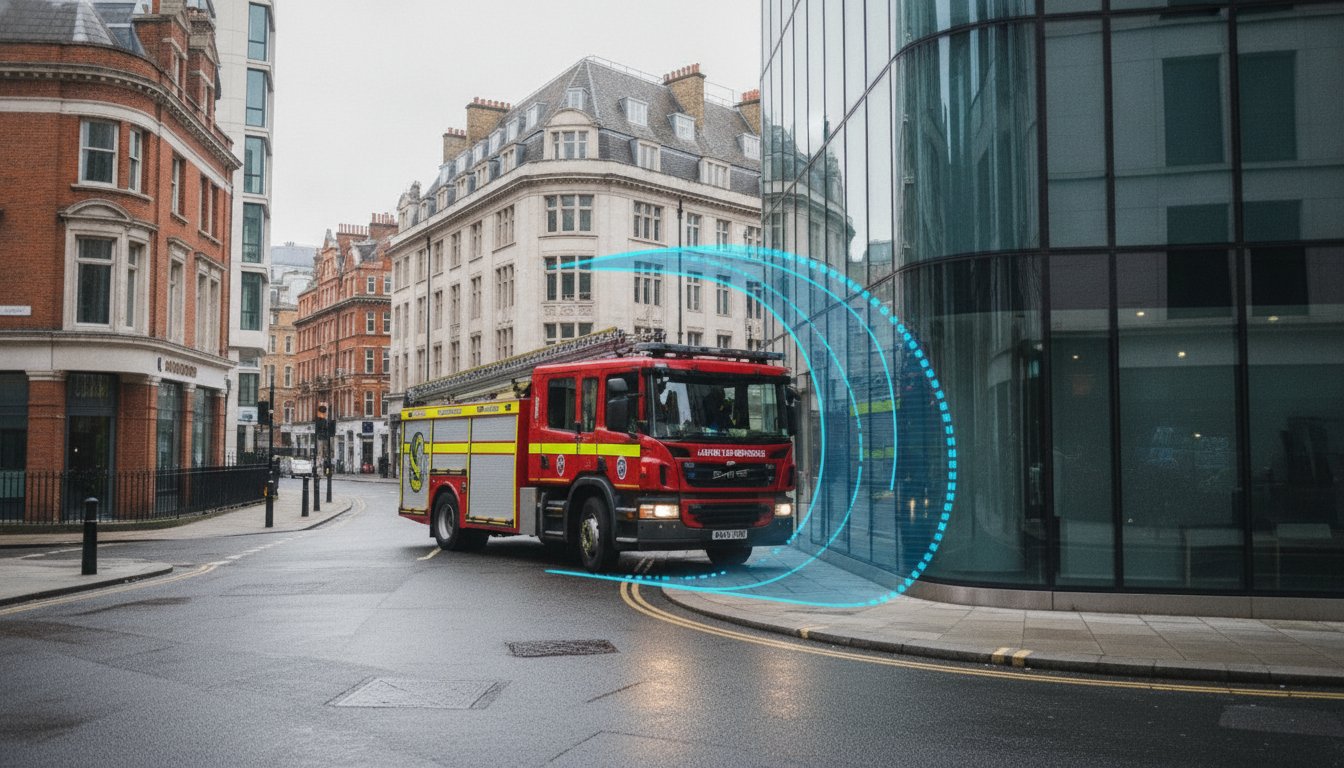
    A vehicle tracking diagram is a technical illustration that visualises the physical space required for a vehicle to manoeuvre through a site layout. It serves as a vital piece of evidence in the UK planning system, proving that a proposed design can safely accommodate the vehicles expected to use it. These diagrams aren’t just for show; they’re essential for securing approval from Local Highway Authorities who must ensure that emergency and service vehicles don’t get stuck or cause hazards on the public highway. By mapping the ‘swept path’ of a vehicle, developers can demonstrate that their site is functional before a single brick is laid.

    The role of these diagrams extends throughout the entire planning lifecycle. During the pre-application stage, they help identify potential access issues before they become expensive design flaws. Later, they’re frequently submitted as part of a formal application or used to discharge planning conditions once permission is granted. By integrating professional Swept Path Analysis services, developers provide the technical assurance that highway officers require to recommend an application for approval.

    A common oversight in many planning submissions is failing to integrate these diagrams into the broader Transport Statement. A vehicle tracking diagram shouldn’t stand alone. It provides the empirical data that supports the access and safety arguments within your Transport Statement. Without this visual proof, claims about site accessibility are merely anecdotal and often face immediate rejection from the council. Precision here is a functional necessity, not an optional extra.

    Terminology: Vehicle Tracking vs. Swept Path Analysis

    While often used interchangeably, ‘vehicle tracking’ refers to the simulation process itself, whereas the ‘diagram’ is the physical or digital output. This technical field has evolved significantly since the development of AutoTrack, the world’s first swept path analysis software. In professional engineering reports, ‘swept path’ specifically describes the area covered by the vehicle’s body plus a necessary safety margin. This margin is critical because it accounts for driver error and minor variations in vehicle dimensions, ensuring the layout works in the real world.

    Who Requires These Diagrams?

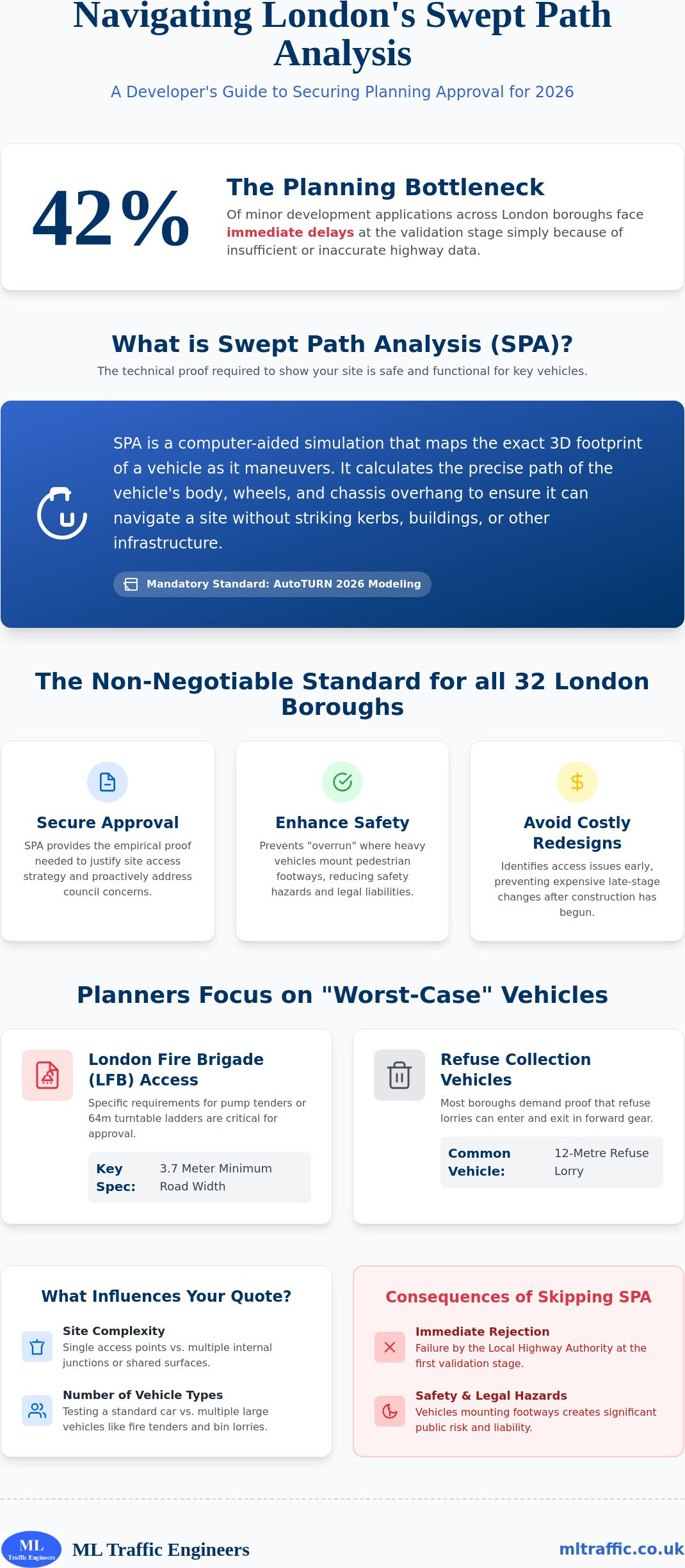
    Several statutory consultees will scrutinise your site’s accessibility. Local Planning Authorities (LPAs) and Highway Officers are the primary gatekeepers. They use these diagrams to verify road safety and traffic flow. Additionally, Fire and Rescue services require proof of statutory access for fire tenders to meet building regulations. Finally, waste management departments won’t approve a development unless a vehicle tracking diagram proves that a standard refuse collection vehicle can enter, turn, and exit the site safely in forward gear.

    The Technical Anatomy of an Accurate Tracking Diagram

    A professional vehicle tracking diagram is a composite of several critical data layers. It isn’t merely a drawing of a vehicle moving through a space; it’s a calculated projection of physical limits. The most fundamental layer is the ‘Wheel Path’, which tracks the exact trajectory of the tyres. This data is vital for engineers to determine curb heights and pavement structural requirements. However, the ‘Body Envelope’ is often the primary focus for planning officers. This represents the outer limits of the vehicle’s chassis, including mirrors and overhangs. In a tight turn, the body of a refuse truck or fire tender will often swing wider than the wheels. Ignoring this distinction is a common reason for planning failure.

    Precision is mandatory. Real-world driving isn’t perfect, so a safety clearance is essential. Most UK authorities expect a buffer of 300mm to 500mm between the vehicle’s body envelope and any physical obstruction like a wall or a parked car. For developments involving underground car parks or low bridges, vertical clearance must also be factored into the vehicle tracking diagram. A layout that works on a 2D plane might still fail if it doesn’t account for the height of a standard delivery van or emergency vehicle. If you’re concerned about these technical margins, our experts can provide a detailed Swept Path Analysis to ensure your site remains functional and compliant.

    Visual Standards for Planning Submission

    Clarity is just as important as accuracy. Planning officers often review dozens of applications a week, so your diagram must be legible and professional. High-resolution PDF outputs are the industry standard; raw CAD files are rarely accepted because they require specialised software to view. We recommend colour-coding different vehicle types to make the diagram intuitive. For example, using red for fire tenders and blue for passenger cars allows a reviewer to quickly verify access for different services. Adhering to these UK government requirements for vehicle tracking plans ensures your base map, typically an OS MasterMap, is up-to-date and provides an accurate context for the manoeuvres.

    Interpreting ‘Lock-to-Lock’ Time

    One technical detail that frequently trips up developers is ‘lock-to-lock’ time. This is the time it takes a driver to turn the steering wheel from one extreme to the other. If a diagram assumes a steering speed that’s too fast for a heavy refuse vehicle, the resulting arc will be unrealistically tight. Most residential manoeuvres occur at slow speeds, often under 5mph. Your vehicle tracking diagram must reflect these slow-speed realities. Applications are often rejected when highway officers spot steering assumptions that don’t align with the physical capabilities of the chosen design vehicle.

    What is a Vehicle Tracking Diagram? A Guide for Developers

    Software Tools vs. Professional Engineering Services

    Autodesk Vehicle Tracking has become the dominant force in digital site modeling, providing developers with powerful tools to simulate vehicle movement. While this software is the industry standard for precision, it’s vital to remember that it is a tool, not a solution. A vehicle tracking diagram generated by a computer is only as reliable as the parameters defined by the operator. Simply owning the software doesn’t mean a developer can produce a document that will withstand the scrutiny of a Local Highway Authority. Expert interpretation remains the bridge between a technical drawing and a successful planning approval.

    One of the most significant risks in using automated software is the reliance on ‘default settings’. Standard vehicle libraries often include templates that don’t align with specific UK council requirements. For instance, using a generic ‘Garbage Truck’ template might result in a manoeuvre that is either too optimistic or unnecessarily restrictive. Most English councils require a specific 11.4m Refuse Collection Vehicle (RCV) template. If your diagram uses a 10.5m default model, your application will likely be rejected for being ‘unworkable’. Hiring a transport consultant ensures that the correct, council-specific design vehicles are used from the start, avoiding costly redesigns.

    The Limitations of Automated Software

    Software lacks the ability to understand local policy or the nuances of the ‘human element’ in driving. While a computer might flag a turn as ‘failing’ because of a 50mm overlap, an experienced engineer can often optimise the layout or provide a technical justification for the manoeuvre. We focus on finding functional solutions that maximise your site’s developable area. A professional report includes the commentary necessary to explain why a specific path is safe, even in ‘tight’ site layouts that automated software might struggle to validate.

    Why Professional Certification Matters

    Highway Officers give significantly more weight to a vehicle tracking diagram submitted by a recognised traffic engineering firm. This isn’t just about the drawing; it’s about the accountability that comes with it. Professional firms carry Professional Indemnity (PI) insurance, which protects the developer against design errors that could lead to structural or operational failures. Furthermore, we ensure these diagrams are seamlessly integrated into a comprehensive Transport Statement London. This holistic approach provides the statutory consultees with all the evidence they need in a single, authoritative package, significantly reducing the likelihood of a planning refusal.

    Critical Vehicle Templates for UK Planning Approval

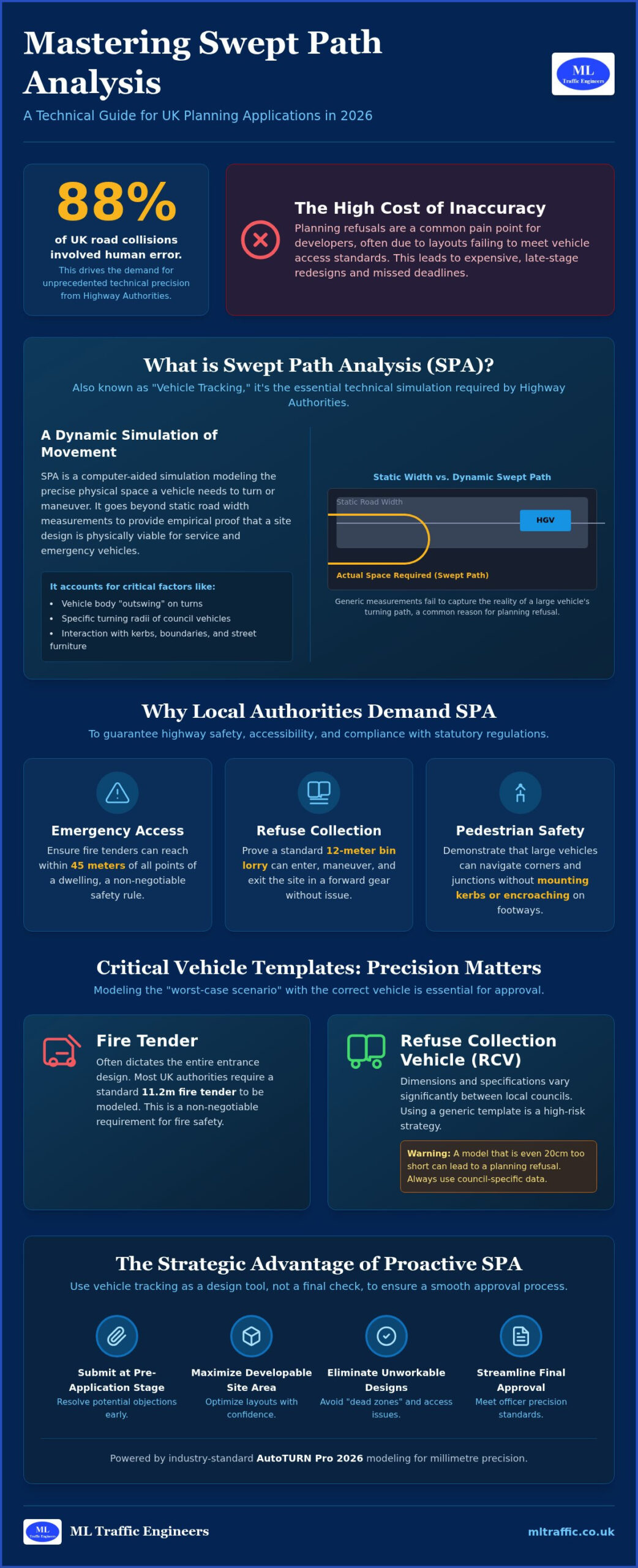
    Selecting the correct ‘Design Vehicle’ is the most consequential decision in the creation of a vehicle tracking diagram. A design vehicle is the largest or most frequent vehicle expected to use the site, and its dimensions dictate the layout’s feasibility. Using a generic or undersized template is a common error that leads to immediate planning rejection. For most residential developments in England, the 11.4m Refuse Collection Vehicle (RCV) is the non-negotiable standard. Highway officers require proof that this specific vehicle can navigate the site without mounting kerbs or endangering pedestrians.

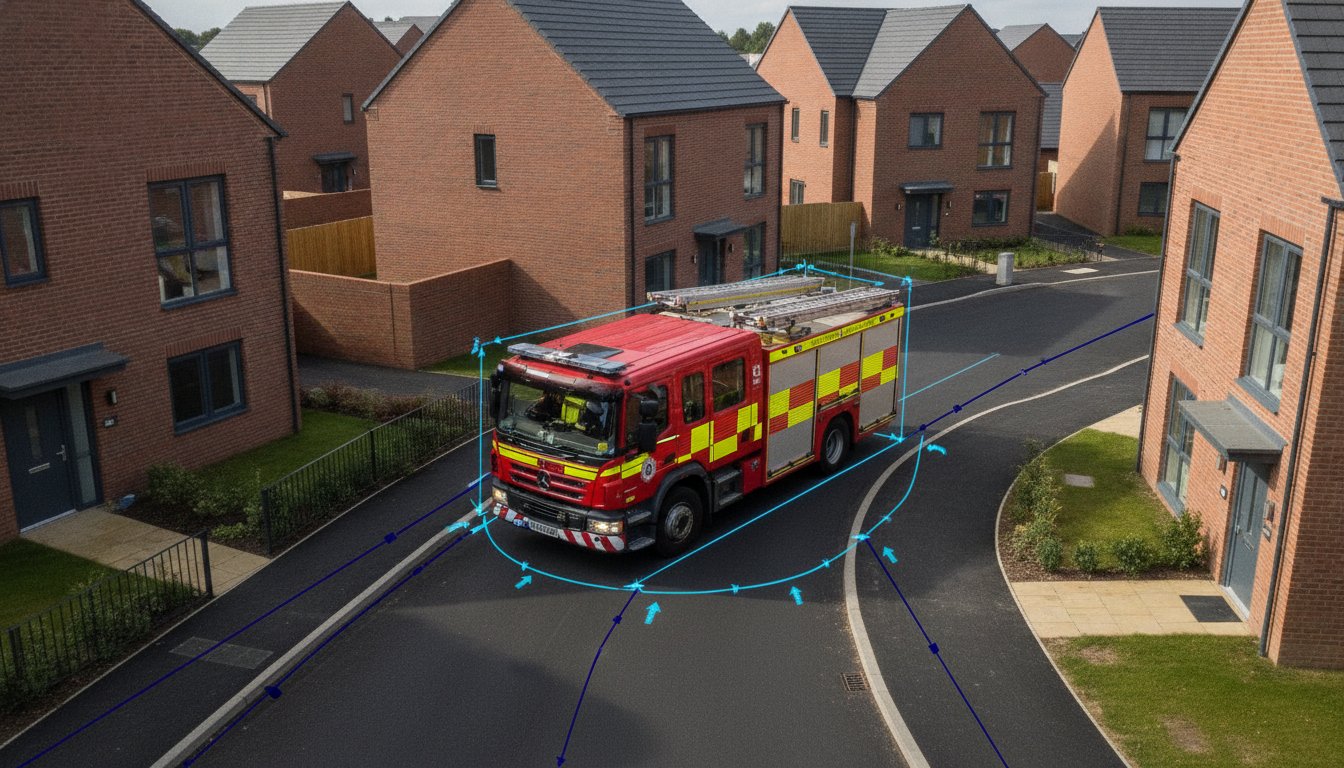
    Statutory access for emergency services is equally critical. Fire tenders must meet the 12.5m outer turning circle rule, as specified in Building Regulations. If your site layout cannot accommodate this manoeuvre, it won’t pass safety inspections regardless of how well the rest of the design performs. For commercial and retail schemes, the focus shifts to delivery logistics. This often requires tracking for 16.5m Articulated HGVs or smaller Rigid HGVs for urban environments. If you are unsure which templates your local council requires, our team can provide expert Swept Path Analysis to ensure your submission is accurate from the start.

    Residential Development Requirements

    In residential schemes, the vehicle tracking diagram must demonstrate that refuse trucks can enter and exit in forward gear. This often involves designing ‘turning heads’ at the end of cul-de-sacs. If a dead-end road is longer than 20 metres, a turning facility is a mandatory requirement for fire access. Larger residential developments may also need to show tracking for a Pantechnicon, or standard removal van, to ensure residents can move in and out without blocking the entire street. Precision here prevents the ‘unworkable’ label that highway officers often apply to poorly planned access points.

    Commercial and Industrial Standards

    Industrial developments face different challenges, particularly regarding warehouse loading bays. These sites require tracking for 16.5m Articulated HGVs to prove that vehicles can reverse into bays without multiple shunts that disrupt traffic flow. Urban retail units often rely on Rigid HGV templates, which are more manoeuvrable but still require significant clearance. Some specialist developments, such as petrol stations or industrial plants, may even require tracking for fuel tankers or abnormal loads. We ensure every vehicle tracking diagram uses the specific manufacturer data required for these high-stakes manoeuvres, maintaining the safety-conscious standards your project demands.

    Securing Planning Approval with Accurate Vehicle Tracking

    A professional vehicle tracking diagram serves as a persuasive tool during negotiations with the Local Highway Authority. It transforms subjective concerns about site access into objective, data-driven discussions. When a highway officer or a local resident raises an objection based on perceived congestion or “unworkable” turns, your diagram provides the empirical proof needed to mitigate those concerns. By demonstrating that every manoeuvre is within safe physical limits, you can often justify “tight” site layouts that maximise your developable land without compromising on safety standards.

    Engaging in pre-application tracking is one of the most effective ways to avoid expensive redesigns. Identifying a conflict between a refuse truck’s body envelope and a proposed building corner is far easier to fix during the initial design phase than after a formal submission. At ML Traffic Engineers UK, we provide compliant, planning-ready documentation that integrates seamlessly into your wider application. We ensure that every vehicle tracking diagram we produce adheres to the latest 2026 standards, providing the technical authority required to satisfy statutory consultees and streamline the approval process.

    Integrating Tracking into Your Design Process

    Tracking should never be an afterthought. We recommend conducting a Swept Path Analysis before your final site plan is frozen. This proactive approach allows you to determine the absolute minimum road widths required for safe passage. It also helps you find the critical balance between maximizing parking provision and ensuring necessary vehicle manoeuvrability. When you design with tracking data from the start, you create a layout that is both functional for users and acceptable to highway officers.

    Next Steps for Your Planning Application

    Securing a professional assessment is a straightforward process that provides immediate clarity for your project. You can request a quote for a professional Swept Path Analysis by contacting our team with your current site plans. We understand the urgency of planning deadlines; we prioritise efficient turnaround times to keep your application moving forward. For more developer guides and technical insights, visit our resources page. Our goal is to act as your dependable partner, managing the intricate regional regulations so you can focus on the broader vision of your development.

    Advancing Your Development with Technical Certainty

    A compliant site layout depends on more than just a drawing; it requires the precise application of highway standards and physical limits. You’ve seen how the body envelope and safety clearances dictate the success of your application. Choosing the correct design vehicles, from refuse trucks to fire tenders, ensures your layout remains functional under real-world conditions. A professional vehicle tracking diagram acts as your definitive evidence against planning objections and helps you avoid the high costs of post-submission redesigns.

    Expertise matters when navigating the specific requirements of London and England planning authorities. We provide technical analysis that is accepted by all UK Highway Authorities, ensuring your project meets every regulatory benchmark. We understand that planning deadlines move quickly, so we offer a rapid turnaround to keep your development on track. Request a Professional Swept Path Analysis for Your Project today to secure your site access. Our team is ready to provide the precision your application needs for a smooth path to approval.

    Frequently Asked Questions

    Is a vehicle tracking diagram required for every planning application?

    Not all applications require a vehicle tracking diagram, but they’re mandatory for any development creating new access points or involving significant changes to vehicle movement. Local Highway Authorities typically demand them for residential schemes of three or more dwellings and all commercial developments. If your project requires service or emergency vehicle access, you’ll need to provide this technical proof to avoid an invalid application status.

    What is the standard size of a fire tender for UK swept path analysis?

    The standard fire tender used for UK swept path analysis typically measures 8 metres in length and 2.55 metres in width. However, the most critical metric is the 12.5 metre outer turning circle requirement specified in Building Regulations. We ensure your diagram accounts for these dimensions plus the necessary safety buffers to ensure statutory access is guaranteed for emergency services without any risk of collision.

    Can I use a standard car for my tracking diagram?

    You can use a standard car template for tracking individual parking spaces, but it won’t satisfy access requirements for a planning application. Highway officers focus on the largest vehicles expected on site, such as refuse trucks or fire tenders. A vehicle tracking diagram that only shows a passenger car doesn’t prove that the site is functional for essential services or emergency responders.

    What happens if my site layout fails the vehicle tracking test?

    If your site layout fails the test, you’ll need to redesign the access or turning areas before submitting your application. This often involves widening internal junctions, increasing the radius of a turning head, or slightly relocating buildings to provide the necessary clearance. Identifying these failures during the pre-application stage prevents a formal refusal and the associated costs of starting the process over again.

    Do I need a separate diagram for every entrance and exit?

    You must provide tracking for every entrance and exit that serves different vehicle types or has unique geometric constraints. While you don’t necessarily need separate drawings, the diagrams must clearly show that all access points are functional for their intended use. This includes demonstrating that a refuse truck can safely enter and exit the site in forward gear at every designated point.

    How much does a professional swept path analysis cost in 2026?

    The cost of a professional swept path analysis varies depending on the complexity of the site and the number of vehicle manoeuvres required. While industry rates in London for standard CAD assessments can range significantly, every project has unique requirements. We recommend requesting a tailored quote to ensure you receive a comprehensive report that meets your specific local authority’s stringent standards.

    What software do transport engineers use for vehicle tracking?

    Transport engineers primarily use specialised software such as Autodesk Vehicle Tracking, AutoTURN 2026, and RapidPath. These tools allow us to simulate precise manoeuvres using up-to-date libraries of UK-specific vehicle templates. By using industry-standard software, we produce a verifiable vehicle tracking diagram that highway officers can trust, ensuring your technical evidence aligns with the digital systems used by local planning departments.

    Does the diagram need to show the vehicle reversing?

    Your diagram must show reversing manoeuvres if they’re a necessary part of the site’s operation, such as in turning heads or loading bays. However, councils generally prefer designs that allow refuse and emergency vehicles to enter and exit in forward gear. If reversing is required, the diagram must prove the manoeuvre is safe and doesn’t conflict with pedestrian paths or structural boundaries.

    Michael Lee

    Article by

    Michael Lee

    Transport planner with over 35 years' experience.

    Disclaimer

    The content on mltraffic.co.uk, including all technical articles, guides, and resources, is provided for general informational and educational purposes only. It is not intended to constitute professional advice in traffic engineering, transportation planning, development approvals, or any other technical or legal field.
    While ML Traffic Engineers makes every reasonable effort to ensure the accuracy, completeness, and timeliness of the information published, we do not provide any warranties or representations (express or implied) regarding its reliability, suitability, or availability for any particular purpose. Any reliance you place on the content is strictly at your own risk.
    In no event shall ML Traffic Engineers, its directors, employees, authors, or affiliates be liable for any direct, indirect, incidental, special, consequential, or punitive damages (including, without limitation, loss of profits, data, or business opportunities) arising out of or in connection with the use of, or inability to use, any information provided on this website.
    The articles and guides on this site are not a substitute for engaging a qualified, professional traffic engineer to assess your specific project requirements. For tailored advice, compliance assessments, or traffic engineering services, please contact a competent professional.
    This disclaimer may be updated from time to time without notice. By accessing or using this website, you agree to be bound by the most current version of this disclaimer.
  • DfT Transport Assessment Guidance: Key Aspects

    DfT Transport Assessment Guidance: Key Aspects

    Relying on the withdrawn 2007 standards is one of the fastest ways to guarantee a planning refusal in 2026. It’s understandable if you feel overwhelmed by the transition to the current Planning Practice Guidance and local authority expectations. Mastering the official Guidance on Transport Assessment published by the Department for Transport is essential for any developer who needs to meet the National Planning Policy Framework standards updated on February 7, 2025. Technical precision during the pre-application phase prevents expensive logistical bottlenecks and regulatory delays during the decision-taking process.

    This article simplifies the complexities of transport documentation so you can move forward with confidence. You’ll learn how to distinguish between a “lighter-touch” Transport Statement and a full Transport Assessment based on indicative local authority thresholds. We provide a definitive checklist of required content, helping you manage the project lifecycle from initial data collection to final planning approval. By the end, you’ll know exactly how to secure professional reports that satisfy statutory requirements and protect your project’s timeline from unnecessary scrutiny.

    Key Takeaways

    • Navigate the transition from the 2007 guidance to current 2025 NPPF standards to ensure your development remains compliant with the latest regulatory framework.
    • Determine if your project needs a comprehensive technical report or a simplified submission by following the official Guidance on Transport Assessment published by the Department for Transport.
    • Master the core requirements for auditing existing transport networks, including site access, parking provision, and internal site layouts.
    • Learn how to identify and mitigate “severe” transport impacts through strategic Travel Plans and physical network improvements.
    • Build a data-driven strategy that aligns with 2026 Net Zero targets to achieve faster planning approval from local highway authorities.

    The Evolution of DfT Guidance on Transport Assessments

    A Transport Assessment (TA) serves as the primary technical mechanism for evaluating the impact of a proposed development on the highway network. It isn’t just a paperwork exercise; it’s a rigorous, data-driven report required by local planning authorities to ensure public safety and network efficiency. Central to this process is the Guidance on Transport Assessment published by the Department for Transport, which provides the framework for identifying how a project affects local infrastructure and the wider community.

    The regulatory environment shifted significantly in 2014 when the Department for Transport technically withdrew the comprehensive 2007 guidance, moving toward the Planning Practice Guidance (PPG). This transition aimed to make the transportation planning process more proportionate. However, the National Planning Policy Framework (NPPF), last updated on February 7, 2025, remains the ultimate authority. It mandates that development should only be prevented on highway grounds if there’s an unacceptable impact on highway safety or if the residual cumulative impacts on the road network would be severe.

    To better understand this concept, watch this helpful video:

    Understanding the Guidance Paradox

    The industry currently operates under a paradox. While the official 2007 Guidance on Transport Assessment published by the Department for Transport was archived, its technical methodologies remain the gold standard for traffic modelling and data analysis. Local highway authorities frequently expect the depth of detail found in the legacy document, even though current PPG suggests a “lighter touch.” ML Traffic Engineers bridges this gap by applying modern PPG principles while maintaining the technical rigour demanded by local officers. We navigate these conflicting expectations to ensure your Transport Assessments meet both statutory requirements and local preferences without unnecessary delays.

    The Purpose of the Assessment for Developers

    For a developer, the assessment is a strategic tool rather than a hurdle. It identifies potential capacity issues before they become grounds for refusal. A compliant report demonstrates a clear priority for sustainable travel modes, such as walking and cycling, over private car use. This alignment with government policy is crucial for securing approval. By auditing existing conditions and projecting future demand, we help clients mitigate safety risks early in the design phase. This proactive approach reduces the likelihood of expensive post-submission redesigns or the rejection of planning applications due to insufficient transport data.

    Transport Statements vs. Assessments: Determining Your Requirements

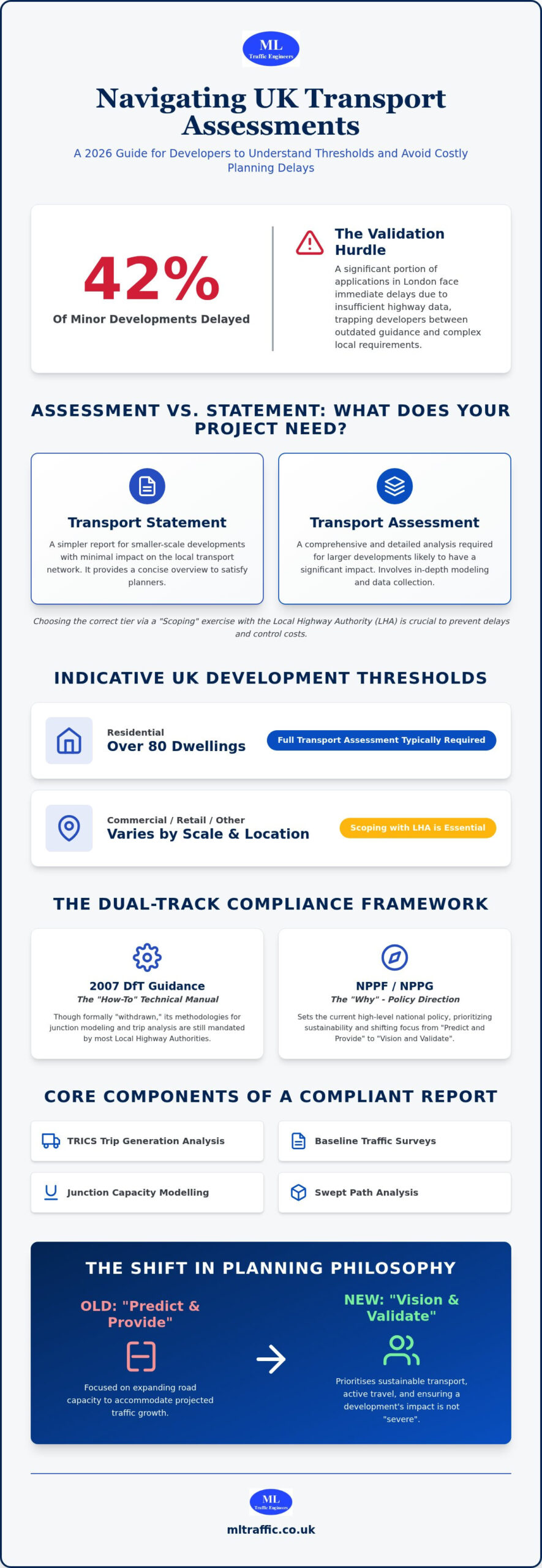
    A Transport Statement (TS) is a simplified report designed for developments with limited transport implications. In contrast, a full Transport Assessment (TA) is a legal necessity for larger schemes to prove that the development won’t create “severe” residual impacts on the highway. The Current Government Guidance on Transport Assessments clarifies that the level of detail in these documents must always be proportionate to the scale and complexity of the project. Understanding which path to take is the first step in ensuring your planning application isn’t stalled by technical objections.

    Adhering to the Guidance on Transport Assessment published by the Department for Transport is vital when negotiating with Local Highway Authorities (LHAs). While the LHA makes the final determination on a case-by-case basis, certain indicative thresholds usually trigger a full assessment. These typically include developments generating 30 or more two-way vehicle movements in any peak hour, projects generating 100 or more movements per day, or any site proposing 100 or more parking spaces. If your project falls below these levels, a Transport Statement is often sufficient to satisfy the planning officer.

    Threshold Analysis for 2026 Developments

    Gross Floor Area (GFA) often serves as the initial trigger for residential, retail, and industrial sites. However, modern planning focuses heavily on cumulative impact. Even if your site falls below standard thresholds, an assessment might be required if the local junction is already operating near capacity. For example, a small residential development in a congested urban centre may require a full TA where a similar site in a rural area would only need a Statement. It’s about the sensitivity of the local network, not just the physical size of your building.

    The Scoping Process: Avoiding Unnecessary Work

    Early engagement through a formal scoping exercise prevents wasted resources on irrelevant data collection. During this stage, you must agree on the “Study Area” with the highway authority to determine exactly which junctions require modelling. You’ll also define “Assessment Years,” typically comparing the opening year against a 5 or 10-year post-completion horizon to account for long-term traffic growth. Getting these details right from the start is essential for a smooth planning journey.

    You can learn more about our Transport Planning and Assessment Reports to see how we handle these technical negotiations. Our team ensures that the scope of work is strictly limited to what’s necessary for compliance, saving you both time and professional fees. If you’re currently preparing a planning submission, securing an early agreement on the scope is the most reliable way to prevent expensive revisions later in the process.

    DfT Transport Assessment Guidance: Key Aspects

    Core Components of a Compliant Transport Assessment

    A robust planning submission relies on a logical sequence of evidence. The Guidance on Transport Assessment published by the Department for Transport mandates a clear audit of the existing transport network before any modelling begins. This involves evaluating current safety records, public transport accessibility, and infrastructure capacity within the study area agreed upon during the scoping phase. Without a precise baseline, the local highway authority cannot accurately measure the impact of your proposed development.

    Predicting future traffic flows requires the use of the TRICS database. This industry-standard tool allows us to calculate trip generation based on data from comparable sites across the country. We don’t just guess numbers; we use verified data to model how many vehicle, pedestrian, and cycle movements your site will produce. This analysis forms the foundation of junction capacity tests. We examine the Ratio of Flow to Capacity (RFC) to ensure no local junction becomes overloaded, keeping your project in line with NPPF safety standards.

    Detailing the internal layout involves more than just drawing parking bays. We must demonstrate that site access is positioned to maintain visibility splays and that pedestrian routes don’t conflict with heavy vehicle movements. Precision during this stage reduces the risk of the local highway authority requesting expensive redesigns after you’ve already submitted your application. It’s about proving that the site is functional from day one.

    Technical Data and Traffic Surveys

    Accurate Parking Surveys are essential when justifying reduced car provision in urban areas. These surveys prove that existing street capacity can handle any potential overspill, preventing objections based on local congestion. We also conduct comprehensive Traffic Surveys to establish real-time baseline flows. High-quality data prevents local councils or residents from challenging the validity of your technical report during the public consultation phase.

    Swept Path Analysis: Proving Site Feasibility

    Adhering to the Guidance on Transport Assessment published by the Department for Transport ensures that your swept path analysis meets the rigorous safety standards expected by statutory consultees. Our Essential Guide to Swept Path Analysis explains how digital modelling verifies vehicle manoeuvrability. We use specific templates for fire tenders and refuse vehicles to secure technical approval from highway officers. If a large vehicle can’t safely enter and exit your site in a forward gear, the layout will likely face a swift planning refusal.

    Mitigation Strategies and Travel Planning

    If your technical analysis identifies capacity or safety issues, you must propose robust mitigation strategies. The National Planning Policy Framework (NPPF) specifies that planning permission should only be refused on highways grounds if the residual cumulative impacts on the road network are severe. The Guidance on Transport Assessment published by the Department for Transport provides the technical foundation for determining which mitigation measures are proportionate to the scale of your development. Our role is to ensure these measures are technically feasible and cost-effective before they’re formalised in legal agreements.

    Mitigation often involves a combination of physical infrastructure and management strategies. Physical works, such as junction improvements or the installation of new pedestrian crossings, are typically secured through Section 278 agreements. Financial contributions toward wider network improvements or public transport enhancements fall under Section 106 obligations. Negotiating these agreements requires a high level of technical precision. We provide the data necessary to ensure that the scope of these works remains directly related to the impact of your site, preventing unnecessary financial overreach.

    Sustainable Mitigation Measures

    Modern planning policy prioritises active travel over traditional road widening. We design mitigation packages that focus on improving walking and cycling routes to reduce the need for car-based trips. This includes integrating electric vehicle (EV) charging infrastructure and high-quality cycle storage into the initial site design. For a deeper dive into the technical requirements for infrastructure delivery, see our guide on Navigating Highway Design S278 & S38. These sustainable measures often carry more weight with planning officers than simply adding road capacity.

    Effective Travel Plans for Planning Success

    A Travel Plan is a long-term management strategy that accompanies your assessment to promote sustainable transport. It must include SMART targets for modal shift, such as reducing single-occupancy vehicle trips by a specific percentage over five years. Local authorities now demand clear monitoring and enforcement mechanisms to ensure these targets are met. You can find more detail in our London Travel Plans: The Essential Guide. A well-structured plan acts as a safeguard, providing the council with the confidence that the development’s impact will be managed effectively throughout its lifecycle.

    Our team specializes in delivering compliant documentation that bridges the gap between technical assessment and practical mitigation. If you’re facing potential objections due to traffic impact, contact us for expert Transport Assessment and Travel Plan services to secure your planning approval.

    Securing Planning Approval with ML Traffic Engineers

    Success in modern planning requires more than just submitting a technical report. It demands a data-driven strategy that anticipates the scrutiny of local highway officers. By following the Guidance on Transport Assessment published by the Department for Transport, we provide the technical evidence needed to overcome objections before they stall your project. Our approach focuses on precision. We eliminate the guesswork that often leads to planning delays or expensive requests for further information. We ensure every data point stands up to rigorous cross-examination by statutory consultees during the public consultation phase.

    The 2026 planning landscape has evolved significantly. Net Zero and Vision Zero targets are no longer optional considerations; they’re central to how assessments are judged by local authorities. Planners now prioritize developments that actively contribute to decarbonization and absolute road safety. We integrate these mandates into every report, proving through rigorous analysis that your project aligns with the latest government standards. This proactive alignment reduces the logistical and regulatory pressures on your team, allowing you to focus on the broader aspects of your development while we handle the technical complexities.

    The ML Traffic Advantage: Accuracy and Speed

    We manage the full project lifecycle. From the initial scoping meeting with the Local Highway Authority (LHA) to final technical approval, our team provides constant support and unwavering reliability. This “inception to completion” philosophy ensures that the transport strategy remains consistent even as the site design evolves. We understand the specific nuances of London-specific policies and regional England requirements. Our experts act as a reliable partner, managing intricate regional regulations so you don’t have to. You can explore our project types and expertise to see how we’ve secured approvals across diverse residential and commercial sectors.

    Ensuring Regulatory Compliance in 2026

    Adhering to the latest “Decarbonising Transport” mandates is a non-negotiable foundation of our work. We use the Guidance on Transport Assessment published by the Department for Transport to frame our safety and capacity arguments. Our technical authority reduces your project risk by providing a shield against regulatory pressure. We don’t just provide a document; we act as your professional representative in high-stakes negotiations with highway officers. Our focus on providing an all-encompassing, fully-managed service ensures that your transport documentation is resilient, compliant, and ready for immediate action.

    Get a Transport Assessment Quote for your project today to ensure your submission meets every statutory requirement and accelerates your timeline to planning approval.

    Streamline Your Planning Journey with Expert Transport Documentation

    Navigating the modern planning landscape requires a technical partner who understands the nuances of regulatory change. You’ve seen how the shift from legacy standards to the current NPPF requires a precise application of the Guidance on Transport Assessment published by the Department for Transport. Identifying the correct thresholds for your development and implementing robust mitigation strategies are the primary ways to avoid costly planning delays and technical objections.

    Since 2014, ML Traffic Engineers has delivered over a decade of planning success for developers across England and London. We specialize in high-precision Swept Path Analysis and TRICS modelling to ensure every report meets the strictest highway authority standards. Our deep understanding of regional transport policy allows us to reduce your project risk and accelerate approval timelines. Contact ML Traffic Engineers for a DfT-compliant Transport Assessment to secure your project’s future. We’re ready to help you turn complex technical requirements into a successful planning outcome.

    Frequently Asked Questions

    Is the 2007 Guidance on Transport Assessment still valid in 2026?

    Technically, the 2007 document was withdrawn and replaced by Planning Practice Guidance (PPG) in 2014. However, local highway authorities still rely on its detailed technical frameworks for traffic modelling and data presentation. Most professionals treat the 2007 methodologies as the industry standard for high-stakes technical reports today.

    What is the difference between a Transport Assessment and a Transport Statement?

    A Transport Statement is a simplified report for developments with minor transport impacts, while a Transport Assessment is a comprehensive technical study for larger projects. Statements focus primarily on local site access and safety. Assessments require deeper analysis of junction capacity and wider network impacts over a 5 to 10-year horizon.

    How do I know if my development requires a Transport Assessment?

    The requirement depends on the scale of your project and specific local planning authority thresholds. Typically, any development generating over 30 two-way vehicle movements in a peak hour requires a full report. You should refer to the Guidance on Transport Assessment published by the Department for Transport to determine if your specific land use triggers this necessity.

    What is the “Study Area” in a Transport Assessment?

    The Study Area is the specific geographic region where the development’s traffic impact is measured. This usually includes the site access points and any local junctions that might experience a significant increase in traffic. You must agree on this area with the Local Highway Authority during the initial scoping stage to avoid wasted modelling effort.

    Can a Transport Assessment be used to justify zero parking on a site?

    Yes, an assessment can justify low or zero parking by proving high public transport accessibility and utilizing detailed parking surveys. We use data to show that any potential overspill won’t negatively affect local road safety or capacity. This evidence is crucial for developments in dense urban centers where car-free living is prioritized.

    How long does it take to prepare a DfT-compliant Transport Assessment?

    Preparation time varies based on the complexity of the site and the need for fresh traffic surveys. A standard report often takes several weeks to complete, accounting for data collection, modelling, and authority scoping. Engaging an expert early ensures that the technical analysis stays on track with your planning submission deadlines.

    What happens if my Transport Assessment shows a negative impact on traffic?

    If the assessment identifies a negative impact, you must propose mitigation measures to reduce the effect to an acceptable level. Under the NPPF, planning refusal only occurs if the residual cumulative impacts are severe. Mitigation might include physical junction improvements or enhanced sustainable travel options secured through Section 106 or Section 278 agreements.

    Do I need a separate Travel Plan if I have a Transport Assessment?

    Larger developments usually require a Travel Plan alongside the main assessment. While the assessment identifies the technical impact, the Travel Plan serves as a long-term management strategy to encourage sustainable transport modes. The Guidance on Transport Assessment published by the Department for Transport suggests integrating these documents to provide a complete picture of site accessibility.

    Michael Lee

    Article by

    Michael Lee

    Transport planner with over 35 years’ experience.

    Disclaimer

    The content on mltraffic.co.uk, including all technical articles, guides, and resources, is provided for general informational and educational purposes only. It is not intended to constitute professional advice in traffic engineering, transportation planning, development approvals, or any other technical or legal field.
    While ML Traffic Engineers makes every reasonable effort to ensure the accuracy, completeness, and timeliness of the information published, we do not provide any warranties or representations (express or implied) regarding its reliability, suitability, or availability for any particular purpose. Any reliance you place on the content is strictly at your own risk.
    In no event shall ML Traffic Engineers, its directors, employees, authors, or affiliates be liable for any direct, indirect, incidental, special, consequential, or punitive damages (including, without limitation, loss of profits, data, or business opportunities) arising out of or in connection with the use of, or inability to use, any information provided on this website.
    The articles and guides on this site are not a substitute for engaging a qualified, professional traffic engineer to assess your specific project requirements. For tailored advice, compliance assessments, or traffic engineering services, please contact a competent professional.
    This disclaimer may be updated from time to time without notice. By accessing or using this website, you agree to be bound by the most current version of this disclaimer.
  • Common Transport Issues in Planning Applications: A 2026 Developer’s Guide

    Common Transport Issues in Planning Applications: A 2026 Developer’s Guide

    Data collection costs for transport assessments have surged by 15% since 2024, yet many developers still face costly delays due to unpredictable highway officer demands. You’ve likely experienced the frustration of a project stalling because of borough-specific parking stress requirements or technical disputes over site access. In the high-stakes regulatory environment of London and the Home Counties, technical precision is a functional necessity rather than a luxury. This guide identifies the most frequent common transport issues in planning applications and provides the technical strategies needed to resolve them effectively.

    We’ll examine the critical 2026 mandates, including the requirement for 100% active EV charging and the strict car-free rules for areas with a PTAL of 4 or higher. You’ll learn how to use professional parking surveys, swept path analysis, and robust transport statements to provide the validated data authorities require. By aligning your technical documentation with the latest NPPF standards and local borough expectations, you can transform transport objections into a clear path toward swift planning approval and cost-effective delivery.

    Key Takeaways

    • Master the shift toward ‘Vision and Validate’ policies to resolve common transport issues in planning applications and avoid summary refusal.
    • Utilize Swept Path Analysis to validate site access designs and prove manoeuvrability for service vehicles on constrained urban sites.
    • Identify how PTAL ratings of 4 or higher dictate your development’s density and the necessity of car-free mandates.
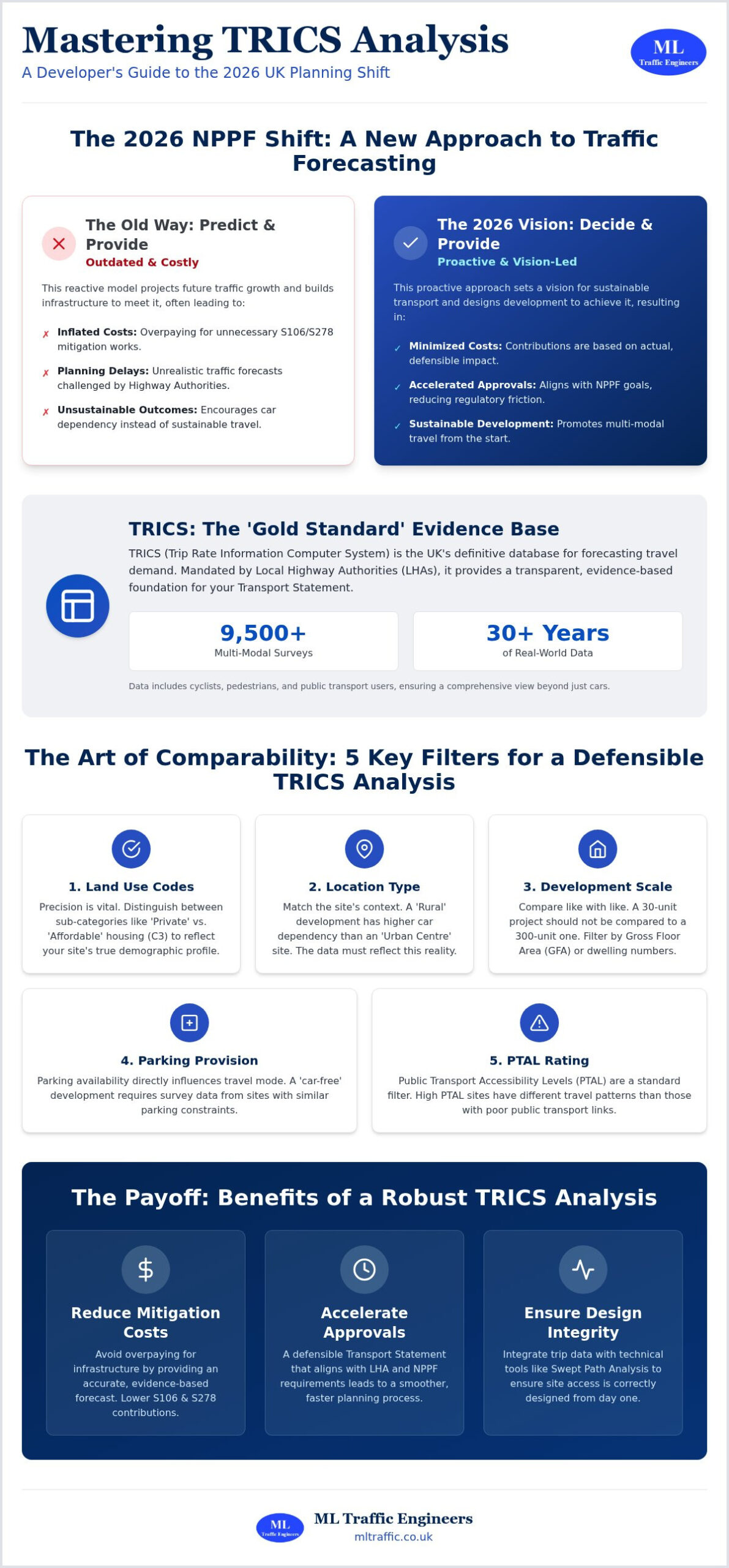
    • Build a defensible evidence base using TRICS forecasting and traffic surveys to satisfy the demand for rigorous technical data.
    • It’s vital to understand how Section 278 and Section 38 agreements turn technical highway objections into viable planning conditions.

    Table of Contents

    Why Transport Issues Delay Planning Applications in 2026

    The UK planning system underwent a fundamental shift in 2026, moving decisively from the traditional “Predict and Provide” model to a “Vision and Validate” approach. This change means local authorities no longer simply look at how much traffic a development will create and ask for more road space. Instead, they require developers to set a sustainable vision for travel and prove how it will be achieved. Failure to adapt to this methodology is one of the most common transport issues in planning applications today. When a project doesn’t align with these modern expectations, highway officers often recommend summary refusal based on inadequate site access, safety concerns, or a lack of sustainable infrastructure.

    Securing consent requires a deep understanding of the transportation planning process and how it integrates with local policy. Developers must distinguish between a Transport Statement for smaller schemes and a full Transport Assessment for residential developments of 80 units or more. Engaging with these requirements during the early RIBA stages prevents the need for expensive structural redesigns later in the project lifecycle. Technical documentation must be precise, data-driven, and ready to withstand rigorous scrutiny from statutory consultees.

    The Statutory Role of the Local Highway Authority

    In London and the Home Counties, the Local Highway Authority (LHA) acts as a critical guardian of public safety and network capacity. Highway officers possess the power to stall an application if they believe the “safety and capacity” of the existing road network is compromised. We recommend seeking pre-application advice to identify site-specific constraints before submitting formal plans. This proactive step allows us to tailor our Transport Statements and Assessments to address the LHA’s specific concerns regarding local junctions or pedestrian safety zones.

    NPPF vs. Local Plan: The Hierarchy of Objections

    The National Planning Policy Framework (NPPF) remains the primary guide for development in England. It states that development should only be prevented on transport grounds if the residual cumulative impacts on the road network would be “severe.” However, local plans often impose stricter requirements. The 2026 London Plan, for instance, now mandates 100% active electric vehicle charging points for all permitted spaces and enforces car-free developments in areas with a Public Transport Access Level (PTAL) of 4 or higher. In the context of transport planning, sustainable development is defined as a project that prioritises active travel and public transport integration to meet current needs without increasing long-term car dependency. Adhering to these benchmarks is non-negotiable for securing planning approval in the current regulatory climate.

    Access and Manoeuvrability: The Swept Path Analysis Hurdle

    Urban infill developments face unique challenges, primarily regarding the physical constraints of existing streetscapes. Inadequate site access remains one of the most common transport issues in planning applications, often leading to technical objections that can stall a project indefinitely. To overcome these hurdles, developers must provide empirical evidence that vehicles can enter, turn, and exit the site safely. Swept Path Analysis (SPA) is the industry standard for providing this proof, using digital modelling to simulate the movement of specific vehicle templates within your site’s footprint.

    Precise SPA drawings prevent the risk of receiving an “undeliverable” planning consent. A permission that looks good on paper but fails to account for the turning circle of a refuse freighter will inevitably fail at the construction or operational stage. The UK government guidance emphasises the role of technical assessments in mitigating development impacts, but local authorities now demand high-resolution digital simulations over static, manual drawings. Our team provides the comprehensive technical reporting required to validate these designs before they reach the highway officer’s desk.

    Proving Fire Tender and Refuse Access

    By 2026, London Boroughs have largely phased out the acceptance of manual tracking diagrams. Emergency vehicle access is a non-negotiable safety requirement, specifically regarding the turning circles and weight tolerances for fire tenders. Refuse freighters also require significant space, and failure to prove their manoeuvrability often results in a recommendation for refusal. Utilising professional Swept Path Analysis Services in London ensures your site layout accounts for the 2026 standards for both emergency and service vehicle templates, including the increasingly common long-wheelbase delivery vans.

    Visibility Splays and Junction Design

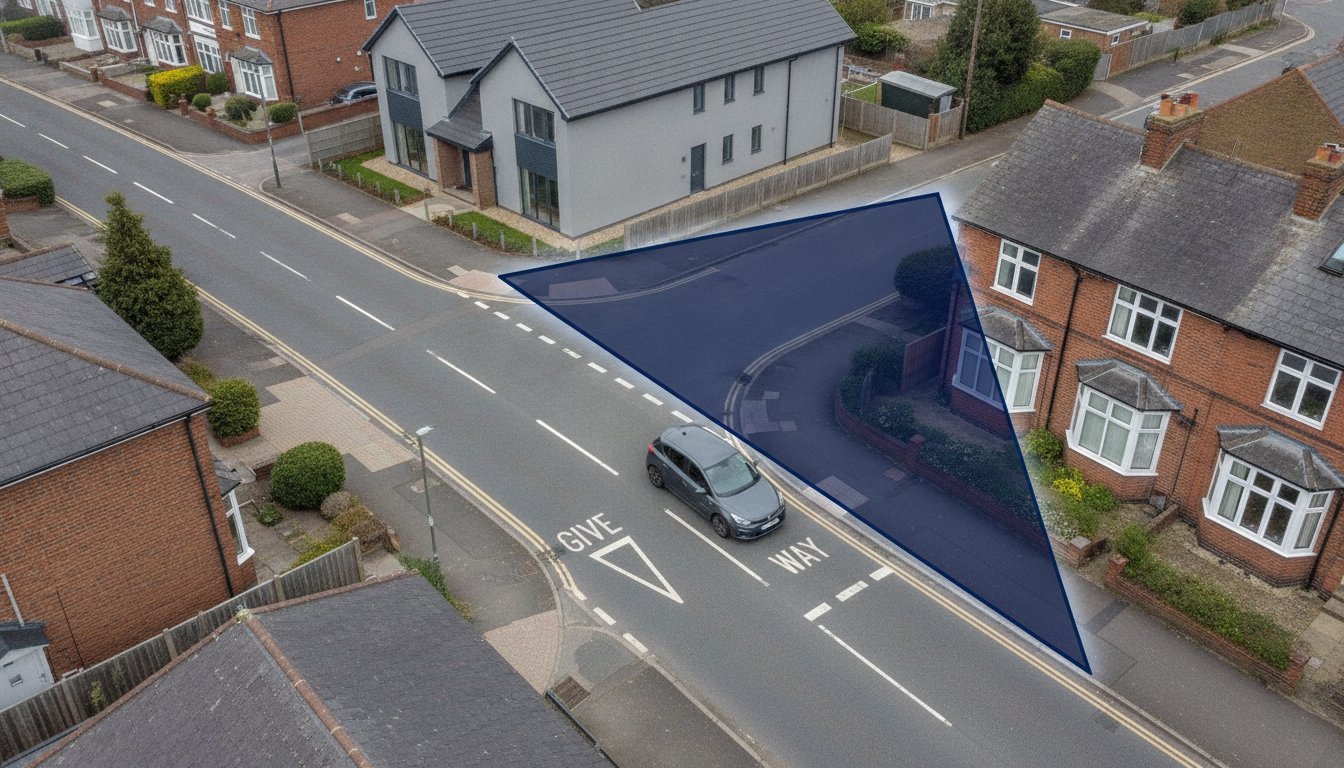
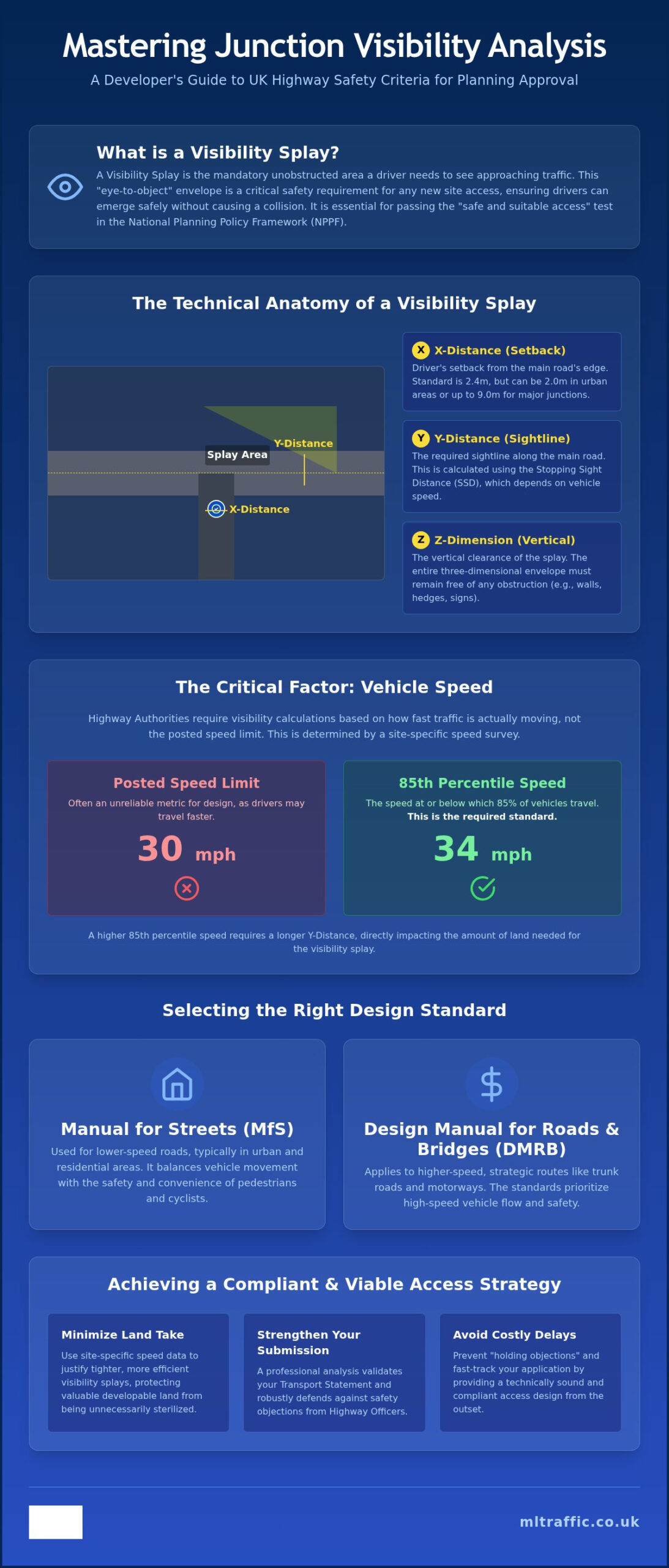
    Visibility splays are the sightlines required for drivers to see and be seen when exiting a site. These are calculated based on safe stopping distances, which must be supported by local speed survey data. Street furniture, existing landscaping, and third-party land often obstruct these splays, creating significant planning friction. However, technical data can often justify narrower access points, particularly in heritage or sensitive areas. By using precise traffic surveys to document actual local speeds, we can often negotiate reduced visibility requirements that preserve the aesthetic character of a site without compromising safety standards. This data-led approach turns subjective objections into objective, manageable planning conditions.

    Common Transport Issues in Planning Applications: A 2026 Developer’s Guide

    The Public Transport Accessibility Level (PTAL) system serves as the primary metric for determining development density and allowable parking provision across London. Under the 2026 London Plan, sites with a PTAL rating of 4, 5, or 6 are strictly mandated as car-free developments. This policy aims to eliminate non-essential car trips, yet it creates significant friction during the planning process. Developers must still provide technical justification for essential vehicle access, specifically for Blue Badge holders and operational service requirements. Addressing these parking limitations is one of the most common transport issues in planning applications, as failing to provide a robust technical case can lead to immediate refusal.

    Baseline data for parking assessments has also shifted due to the expansion of the Ultra Low Emission Zone (ULEZ). Modern assessments must reflect updated car ownership patterns that have emerged since the ULEZ boundary was finalised. While a development may be car-free, the surrounding road network remains under pressure. We use precise Parking Surveys to document existing street capacity, ensuring that any residual parking demand from the development does not negatively impact local residents or highway safety.

    Parking Stress Surveys and the Lambeth Methodology

    London Boroughs frequently require a formal parking stress survey when a development proposes less parking than local residents might expect. We apply the Lambeth Methodology, which involves a detailed assessment of all available on-street parking within a 200-metre walking distance of the site. These assessments typically occur over two consecutive weekday nights to capture peak residential demand. Parking surveys must be conducted during neutral weeks to ensure the recorded data accurately represents typical local demand without the skewing effects of school holidays or major seasonal events.

    Active Travel and Cycle Storage Requirements

    To offset low parking provision, the 2026 standards require a significant commitment to active travel infrastructure. This includes meeting strict London Plan requirements for both long-stay and short-stay cycle parking, which must be secure, covered, and easily accessible. Since 2019, daily cycling stages in London have increased by 43%, making high-quality storage a functional necessity for site viability. We integrate ‘Healthy Streets’ indicators into our site access designs to prioritise pedestrian comfort and safety. Additionally, we provide comprehensive Travel Plans that outline clear strategies for reducing car dependency, turning potential transport objections into manageable planning conditions.

    Data-Driven Solutions: Surveys and Trip Generation

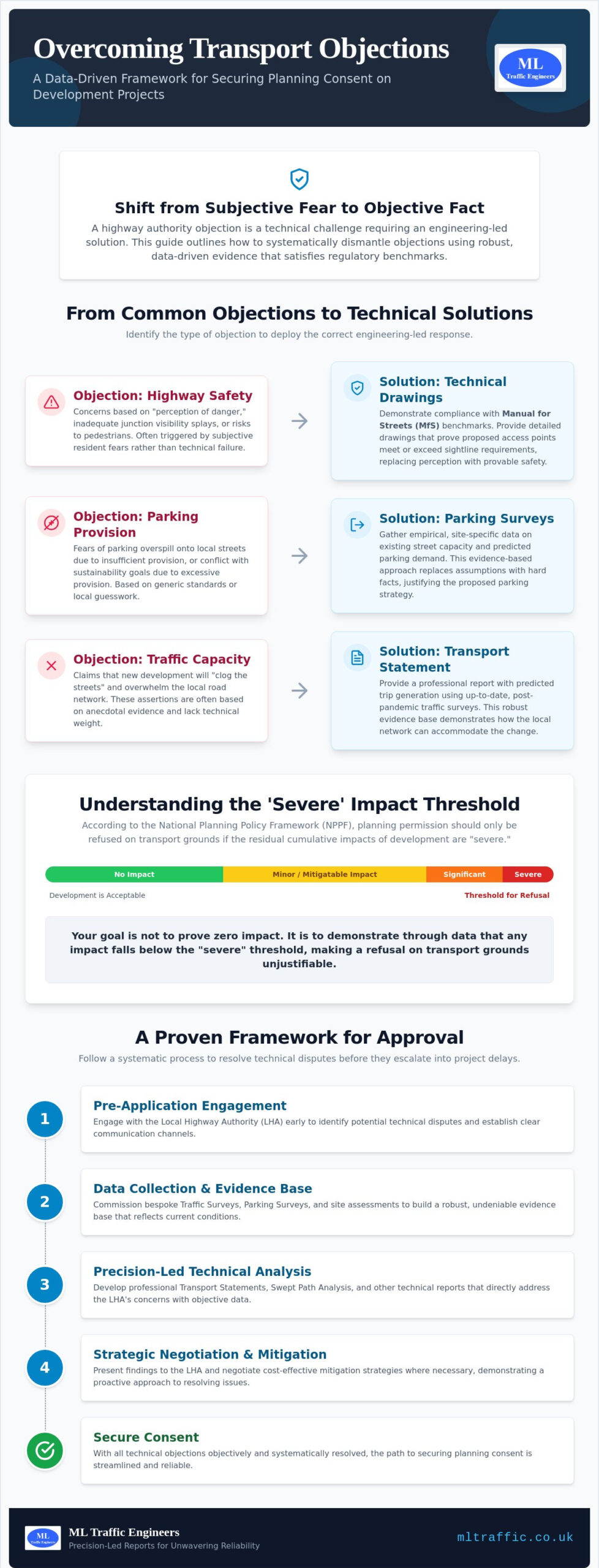
    Technical objections often stem from a lack of empirical evidence. Subjective concerns from local residents regarding congestion or safety can stall a project, but objective data provides a clear path forward. Establishing an accurate baseline through Manual and Automatic Traffic Counts (ATC) is essential for resolving common transport issues in planning applications. These surveys provide the raw data needed to prove that a development’s impact on the local highway network is manageable and within statutory limits. Precise data collection ensures that your submission is resilient against anecdotal complaints during the public consultation phase.

    Beyond baseline counts, we use speed surveys to determine the actual 85th percentile speeds of vehicles passing the site. This data is critical for calculating safe stopping distances and visibility splays accurately. When local objectors claim that a new development will “flood the streets with cars,” professional technical reporting disproves these perceptions with hard numbers. By presenting a data-backed case, we shift the conversation from emotional speculation to technical reality, ensuring the highway officer has the facts required to recommend approval.

    Trip Generation: Forecasting Development Impact

    We forecast the future impact of a site by using the TRICS database, the UK standard for trip generation analysis. This process involves comparing your proposed project against similar, existing developments to predict vehicle movements with high precision. In sustainable urban locations, we successfully argue for ‘multi-modal’ trip reductions by demonstrating how residents will use public transport and cycling instead of private cars. You can find technical templates for these assessments in the ML Traffic Engineers Resources section. This evidence-based forecasting is vital for justifying your development’s scale to the local authority.

    Traffic Surveys in Slough and High Wycombe

    Requirements for traffic data vary significantly once you move outside central London into the Home Counties. In areas like Slough and High Wycombe, local authorities such as Buckinghamshire or Berkshire often demand specific survey durations or locations to satisfy Section 278 (S278) highway works. These works involve permanent changes to the public highway, and the design must be supported by rigorous local speed and volume data. We ensure all Traffic Surveys meet these specific regional standards to prevent delays during the technical approval stage. This regional expertise ensures your project remains compliant with diverse local policy requirements.

    Secure the data you need for a successful application by booking a professional Traffic Survey today to validate your site’s impact.

    Overcoming Objections with ML Traffic Engineers

    Resolving common transport issues in planning applications requires more than raw data collection. It demands a strategic approach to negotiation that transforms technical objections into manageable planning conditions. We bridge the gap between your development goals and the strict requirements of the Local Highway Authority. By providing integrated data collection and technical reporting, we ensure your submission is resilient and capable of withstanding rigorous scrutiny. This professional oversight reduces regulatory pressure and provides a clear path toward project completion.

    Our team manages the technical complexities of Section 278 (S278) and Section 38 (S38) agreements. These legal frameworks are essential when a development requires permanent alterations to the public highway or the adoption of new roads. We provide the precise technical documentation and design validation needed to satisfy highway officers in London and the Home Counties. This expertise ensures that highway works are both compliant with industry benchmarks and aligned with your project’s commercial objectives.

    From Survey to Planning Consent: A Full Lifecycle Service

    We provide a comprehensive service that supports your project from initial inception through to final approval. Our engineers coordinate directly with architects and planners to optimize site layouts for vehicle manoeuvrability and pedestrian safety. This early-stage collaboration prevents the need for expensive redesigns during the later RIBA stages. We possess extensive experience in negotiating with Transport for London (TfL) and local borough highway officers, allowing us to resolve technical disputes before they lead to refusal. Explore our ML Traffic Engineers Project Types to see how this lifecycle support has secured consent for diverse developments.

    Securing Your Planning Approval in 2026

    The 2026 property market operates with a sense of urgency that leaves no room for technical errors or slow response times. We prioritize rapid technical delivery to ensure your application remains on schedule. Our bespoke Transport Statements and Assessments are specifically tailored to the unique regulatory landscapes of London and the surrounding counties. Whether you require a validated parking survey or a complex swept path analysis, we deliver high-accuracy reporting that highway officers trust.

    Precision is a functional necessity in the current planning environment. We offer tailored quotes for our full range of services, including traffic surveys and travel plans, to meet your specific site constraints. Contact ML Traffic Engineers for expert planning support and ensure your development meets the highest standards of safety and compliance.

    Success in the 2026 planning landscape depends on your ability to replace subjective objections with empirical data. We’ve explored how the shift toward ‘Vision and Validate’ policies and the enforcement of car-free mandates in high PTAL areas have redefined project viability. Using digital Swept Path Analysis and accurate TRICS forecasting ensures your site access and trip generation data remain beyond reproach. By addressing these common transport issues in planning applications early, you prevent costly redesigns and keep your project timeline on track.

    ML Traffic Engineers provides the technical authority needed to navigate these regulatory pressures. We possess expert knowledge of all 32 London Boroughs and specialise in delivering high-resolution SPA drawings and robust Transport Statements. Our team has maintained a proven track record of securing planning approvals for developers since 2014. Don’t let technical hurdles stall your progress. Request a quote for your Transport Statement or Swept Path Analysis today to benefit from our precision-focused approach. We’re ready to help you turn technical objections into valid planning consents.

    Frequently Asked Questions

    What is the most common transport reason for planning refusal in London?

    Inadequate site access and safety concerns are the leading reasons for transport-related refusals in London. Local authorities prioritise the safety of road users and the operational capacity of the existing network. If your submission fails to prove that a refuse vehicle or fire tender can turn safely within the site footprint, the highway officer will likely recommend refusal. Professional technical reporting is required to resolve these common transport issues in planning applications before they reach the committee stage.

    Do I need a Transport Statement for a small residential development?

    Small residential developments usually require a Transport Statement rather than a full assessment. This document provides a concise overview of transport impacts for schemes that don’t meet the 80-unit threshold for a full Transport Assessment. It’s a critical tool for addressing local parking and access constraints early in the process. Even for minor schemes, a Statement provides the technical justification needed to satisfy highway officers in the Home Counties and London Boroughs.

    How does a PTAL rating affect my development’s parking allowance?

    A high PTAL rating of 4, 5, or 6 typically triggers a mandate for car-free development across London. This means no on-site parking is permitted except for Blue Badge holders and essential service vehicles. Conversely, lower PTAL ratings allow for limited parking provision based on the specific standards of the local borough’s plan. We use precise data to help developers navigate these density constraints while ensuring essential access remains functional and compliant.

    Is a Swept Path Analysis mandatory for all new site accesses?

    Swept Path Analysis is a functional necessity for almost all new site accesses in urban environments. While not explicitly mandatory for every single driveway, London boroughs and many Home Counties authorities won’t approve a layout without digital proof of vehicle manoeuvrability. It ensures that service and emergency vehicles don’t over-run kerbs or block the public highway. Providing this digital simulation is the most effective way to disprove technical objections regarding site safety.

    What is the difference between a Transport Statement and a Transport Assessment?

    The primary difference lies in the scale of the development and the depth of the data required. A Transport Statement is a simplified report for smaller schemes, whereas a Transport Assessment is a comprehensive study required for residential developments of 80 units or more. Assessments involve more complex junction modelling and wider network impact analysis. Both documents serve to identify and resolve common transport issues in planning applications by providing a clear evidence base for the council.

    How long is a traffic survey valid for a planning application?

    Traffic survey data is generally considered valid for three years, though many local authorities prefer data collected within the last 12 to 24 months. If significant development or road layout changes have occurred nearby, the council may request a fresh survey to reflect the current baseline. We ensure our traffic surveys meet these contemporary standards to prevent technical objections. Accurate, recent data is the foundation of a resilient planning submission.

    Can a Travel Plan reduce the amount of parking I am required to provide?

    A robust Travel Plan can often justify a reduction in mandatory parking provision by promoting sustainable travel modes. By outlining clear strategies for cycling, walking, and public transport use, you demonstrate a reduced reliance on private cars. This mitigation strategy is essential for meeting the sustainability targets of the 2026 London Plan. It shows the local authority that the development will actively manage its transport impact through long-term behavioral change.

    What is a Section 278 agreement and when do I need one?

    A Section 278 agreement is a legal contract between a developer and the Local Highway Authority for works on the public highway. You’ll need one if your planning consent requires permanent changes to existing roads, such as a new junction or a modified access point. These agreements ensure all works meet strict safety and construction standards. We provide the technical reporting and design validation needed to secure these agreements and move your project into the execution phase.

    Which areas do you cover?

    We service Acton, Balham, Barking, Barnes, Barnet, Battersea, Beckenham, Bexleyheath, Brentford, Brixton, Bromley, Camberwell, Carshalton, Charlton, Chelsea, Chiswick, Clapham, Coulsdon, Croydon, Crystal Palace, Dagenham, Dulwich, Ealing, Edgware, Eltham, Enfield, Finchley, Forest Gate, Fulham, Golders Green, Greenwich, Hackney, Hammersmith, Hampstead, Harrow, Hayes, Highgate, Hounslow, Ilford, Islington, Kensington, Kentish Town, Kingston upon Thames, Lewisham, Mitcham, Muswell Hill, New Malden, Notting Hill, Orpington, Peckham, Pinner, Purley, Putney, Richmond, Romford, Ruislip, Sidcup, Southall, Southgate, Streatham, Surbiton, Sutton, Tooting, Tottenham, Twickenham, Uxbridge, Walthamstow, Wembley, West Norwood, Wimbledon, Wood Green, Woolwich, Bethnal Green, Shoreditch, Canary Wharf, Deptford, Leyton, Palmers Green, Stanmore, Upminster, Chislehurst, Erith, Feltham.

    Which cities in England do you cover?

    We service London, Birmingham, Manchester, Liverpool, Sheffield, Leeds.

    Michael Lee

    Article by

    Michael Lee

    Transport planner with over 35 years’ experience.

    Disclaimer

    The content on mltraffic.co.uk, including all technical articles, guides, and resources, is provided for general informational and educational purposes only. It is not intended to constitute professional advice in traffic engineering, transportation planning, development approvals, or any other technical or legal field.
    While ML Traffic Engineers makes every reasonable effort to ensure the accuracy, completeness, and timeliness of the information published, we do not provide any warranties or representations (express or implied) regarding its reliability, suitability, or availability for any particular purpose. Any reliance you place on the content is strictly at your own risk.
    In no event shall ML Traffic Engineers, its directors, employees, authors, or affiliates be liable for any direct, indirect, incidental, special, consequential, or punitive damages (including, without limitation, loss of profits, data, or business opportunities) arising out of or in connection with the use of, or inability to use, any information provided on this website.
    The articles and guides on this site are not a substitute for engaging a qualified, professional traffic engineer to assess your specific project requirements. For tailored advice, compliance assessments, or traffic engineering services, please contact a competent professional.
    This disclaimer may be updated from time to time without notice. By accessing or using this website, you agree to be bound by the most current version of this disclaimer.
  • Transport Planning Consultants Kingston upon Thames: Securing 2026 Approvals

    Transport Planning Consultants Kingston upon Thames: Securing 2026 Approvals

    With planning application fees for minor developments rising to £610 per dwelling this April, a single data error is now a very expensive mistake. You likely recognize that securing approval in the Royal Borough of Kingston upon Thames (RBKT) requires more than just a standard application. The borough’s narrow historic streets and rigid parking standards mean that generic advice rarely satisfies highway officers. Partnering with expert Transport Planning Consultants Kingston upon Thames ensures your project aligns with the Sustainable Transport SPD and the new Local Plan scheduled for consultation in Summer 2026.

    We’ll demonstrate how to navigate RBKT’s complex requirements using precise transport statements and parking surveys that provide the technical certainty you need. You’ll learn how tools like swept path analysis can solve the logistical challenges of Kingston’s town centre while keeping your submission cost-effective. This guide provides a clear path to securing 2026 approvals by focusing on high-quality technical analysis and proactive communication with council officials. We act as a safe pair of hands, managing the intricate complexities of current regulations so your project remains compliant and moves forward without delay.

    Key Takeaways

    • Identify whether your project requires a concise Transport Statement or a comprehensive Assessment to avoid unnecessary technical costs and submission errors.
    • Learn how Transport Planning Consultants Kingston upon Thames utilize parking surveys to provide the empirical evidence needed for RBKT highway approval.
    • Explore why Swept Path Analysis is a non-negotiable tool for proving vehicle accessibility within Kingston’s narrow heritage zones and high-density residential streets.
    • Discover how data-driven traffic surveys and bespoke Travel Plans proactively address the sustainability concerns of local planning officers to prevent application delays.
    • Understand how to align your technical documentation with the Mayor of London’s Transport Strategy to ensure compliance during the 2026 Local Plan transition.

    The Role of Transport Planning in Kingston upon Thames Developments

    The Royal Borough of Kingston upon Thames is entering a pivotal phase with the 2026 Local Plan consultation. For developers, this means the window for generic planning applications has closed. Precision in transportation planning is now the standard requirement for any successful submission. We see many projects stall because they underestimate the technical scrutiny of RBKT highway officers. Engaging expert Transport Planning Consultants Kingston upon Thames early in the process prevents costly holding objections and ensures your project meets the borough’s evolving safety and sustainability targets.


    Modern urban development in South West London focuses heavily on reducing car dependency. The 2026/27 Local Implementation Plan (LIP) funding from TfL reinforces this shift toward walking, cycling, and public transport. We provide the technical authority needed to navigate these high-stakes requirements. Our team manages the logistical and regulatory burdens of your project from the initial planning phase through to final implementation. We act as a safe pair of hands, ensuring that every technical report we produce is rooted in industry-specific terminology and Chapter 8 compliance where necessary.

    Kingston’s Unique Infrastructure Constraints

    The historic medieval street patterns of Kingston Town Centre present significant challenges for modern vehicle access. Narrow lanes and heritage zones require exact data to prove that delivery or residential vehicles won’t compromise public safety. Beyond the town centre, the A3 corridor and major arterial routes dictate how site access must be managed to maintain traffic flow. We balance these physical constraints with the borough’s air quality objectives. Our bespoke solutions ensure your development supports sustainable travel while remaining functional for residents and businesses.

    When is a Transport Consultant Required?

    Whether you’re developing 1-9 dwellings or a major commercial hub, transport documentation is essential. For minor developments, the new £610 per dwelling application fee makes first-time approval a financial necessity. Early engagement during the pre-application phase allows us to identify potential roadblocks before you commit to final designs. As the borough transitions to the Kingston Local Plan 2026, Transport Planning Consultants Kingston upon Thames must align technical reports with both current SPD standards and emerging policy requirements. We provide the comprehensive support needed to satisfy council officials and secure your planning permission.

    Essential Technical Reports for Planning Approval

    Securing planning approval in Kingston depends on the quality of your technical documentation. National standards set by the UK government guidance require developers to assess the impact of their projects on the local highway network. As experienced Transport Planning Consultants Kingston upon Thames, we specialize in producing reports that satisfy both national NPPF requirements and the borough’s specific Sustainable Transport SPD. Precision is a legal necessity. We ensure every data point stands up to the scrutiny of RBKT highway officers, reducing the risk of costly delays or application refusals.

    Transport Statements vs. Transport Assessments

    While a Transport Statement focuses on smaller developments with limited impacts, a full Transport Assessment provides the deep technical analysis required for major residential or commercial schemes. In Kingston, triggers for a full assessment often include projects exceeding 50 residential units or those situated near sensitive arterial routes like the A3. These reports require detailed junction modeling and multi-modal trip generation data. You’ll find more details on these requirements in our Transport Assessment London Guide. Engaging Transport Planning Consultants Kingston upon Thames early ensures you commission the correct level of reporting for your specific site.

    Travel Plans for Kingston Sites

    Sustainability is a core pillar of the emerging 2026 Local Plan. RBKT highway officers look for proactive strategies that reduce car dependency and encourage active travel. A Travel Plan outlines how a development will promote cycling and walking through infrastructure and incentives. For sites in high-density areas like Surbiton or New Malden, these plans are often a mandatory condition of planning. Our London Travel Plans Essential Guide explains how to draft these documents to meet 2026 standards. We focus on realistic, achievable targets that align with the Mayor of London’s Transport Strategy.

    We provide the technical authority to ensure your reports are robust and compliant. Whether you need a simple statement for a minor development or a complex assessment for a major scheme, our team manages the data collection and analysis. Precision in these reports prevents “holding objections” and keeps your project on track for 2026 approval. If you aren’t sure which report your project needs, reviewing our full range of transport services can help clarify the requirements for your specific site.

    Transport Planning Consultants Kingston upon Thames: Securing 2026 Approvals

    Data-Driven Success: Parking Surveys and Swept Path Analysis

    Technical precision isn’t optional when dealing with Kingston’s historic constraints. We use empirical data to eliminate guesswork and satisfy the Royal Borough’s high standards. Planning committees in RBKT are often skeptical of development impact claims that lack rigorous evidence. As Transport Planning Consultants Kingston upon Thames, we produce the technical drawings and data sets that prove a site works in the real world. This evidence-based approach is the most effective way to overcome local objections and secure a positive recommendation from highway officers.

    Data collection serves as the backbone of every successful submission we manage. We don’t rely on generic assumptions or outdated traffic models. Instead, we deploy precise traffic surveys and technical analysis tailored to your site’s specific geography. This level of detail provides a safe pair of hands for your project, ensuring that every claim regarding vehicle movement or parking capacity is backed by verifiable facts. Our team understands the high-stakes nature of traffic management where precision is both a legal and physical necessity.

    Swept Path Analysis for Kingston Access

    Kingston’s medieval street layouts weren’t built for modern refuse freighters or 12-meter fire tenders. We use CAD-based simulations to model vehicle movements with centimeter-level accuracy. This process identifies potential access issues before you commit to a final design or submit your application. It prevents the need for expensive redesigns and ensures your site layout complies with safety standards. You can explore our Swept Path Analysis Services in London to see how we secure approvals for even the most constrained urban sites. Proving that an emergency vehicle can maneuver safely on-site is often the difference between approval and a flat refusal.

    Parking Surveys and the Lambeth Methodology

    RBKT’s strict parking standards often conflict with the density goals of modern developers. We conduct overnight parking surveys using the Lambeth Methodology to assess local parking stress within a 200-meter radius of your project. This data is vital for justifying car-free or low-parking schemes, particularly in areas with high Public Transport Accessibility Level (PTAL) ratings like Kingston Town Centre or Surbiton. By providing a clear, sequential picture of current street capacity, Transport Planning Consultants Kingston upon Thames help you align your project with the London Plan’s sustainable transport objectives. We manage the entire lifecycle of the survey, from initial planning to the final technical report, ensuring seamless integration with your planning application.

    Overcoming Kingston’s Specific Planning Challenges

    Kingston’s planning environment is defined by its unique heritage and evolving infrastructure. The Ancient Market area and surrounding heritage zones require a delicate balance between modern accessibility and historical preservation. As Transport Planning Consultants Kingston upon Thames, we help developers navigate these constraints by providing technical reports that respect the borough’s architectural integrity. The Kingston Mini-Holland (Go Cycle) program has significantly altered the local road network. New cycle lanes and pedestrianized zones mean that traditional site access points often need a complete rethink to ensure safety and compliance with the latest highway standards.

    Negotiating highway improvements requires technical authority and clear communication with RBKT officers. We assist clients with the technical analysis required for Section 278 and Section 38 agreements. These legal frameworks ensure that any modifications to the public highway meet the borough’s exacting safety requirements. Whether it’s a new junction design or footway widening, we manage the data collection to prevent application delays. Our goal is to provide a total, managed solution that alleviates the regulatory burdens on your project team.

    PTAL Ratings and Development Density

    PTAL is the standard London metric for public transport access. In Kingston Town Centre, high PTAL scores of 5 or 6 allow for greater development density and significantly reduced parking requirements. Conversely, sites in PTAL 1 or 2 zones, such as parts of Chessington or Old Malden, face stricter parking standards to prevent overspill onto local roads. We analyze these ratings to justify your project’s density, ensuring it aligns with the London Plan while remaining viable for the local infrastructure. This data-driven approach helps planning committees understand the relationship between transport accessibility and site capacity.

    Construction Logistics and Management Plans

    High-density residential areas like Surbiton and New Malden present significant logistical challenges during the build phase. Mitigating the impact of heavy vehicle movements on local residents is a priority for RBKT’s street works team. We provide the technical data and traffic surveys that inform how these movements are coordinated to minimize disruption. You can find more information on how these technical requirements are managed in our Construction Logistics Plan Consultant Guide. We ensure your documentation is robust enough to pass council scrutiny on the first attempt.

    If you’re facing specific access hurdles or heritage constraints, our team can provide the technical analysis needed to secure your 2026 approval.

    Partnering with ML Traffic Engineers for Kingston Projects

    ML Traffic Engineers provides the technical authority required to navigate the Royal Borough of Kingston upon Thames’ evolving planning landscape. We understand that precision is a legal necessity. Our team acts as a safe pair of hands; we manage the logistical and regulatory burdens of your project from the initial consultation through to final implementation. As specialized Transport Planning Consultants Kingston upon Thames, we focus on delivering high-quality technical reports that stand up to the most rigorous council scrutiny. We prioritize clarity and speed of information. This ensures your project manager can grasp the scope of our work without navigating through unnecessary filler.

    Our readiness stems from the 24/7 nature of the industry. We understand that construction timelines and utility works move fast. This environment demands constant availability and unwavering reliability. We don’t just supply equipment; we offer a total, managed solution. This includes everything from initial traffic surveys to the complex modeling required for Transport Assessments. Our work is fundamentally safety-conscious and reassuring. We take pride in our professional integrity and our role as guardians of public safety within the borough’s unique road network.

    Why Technical Expertise Matters

    Generalist planners often lack the specific traffic engineering data needed to satisfy RBKT highway officers. We bridge that gap with industry-specific expertise. As experienced Transport Planning Consultants Kingston upon Thames, we utilize CAD design for high-accuracy swept path analysis and follow the Lambeth Methodology for parking surveys. This level of detail is essential for securing 2026 approvals under the new Local Plan. We’ve a proven track record of helping developers overcome the challenges of narrow heritage streets and strict parking standards. You can explore our Project Types to see how we’ve secured planning permission for a diverse range of residential and commercial projects across London.

    Get Started with Your Kingston Planning Application

    Securing your development’s future in Kingston begins with robust technical data. We offer bespoke solutions tailored to the specific constraints of your site, whether you’re in Surbiton, New Malden, or the Town Centre. You can request a quote for Transport Statements, Travel Plans, or comprehensive Traffic Surveys directly from our senior engineering team. We provide direct access to experts who understand the intricate complexities of UK road regulations. Visit ML Traffic Engineers to learn more about our services and how we can support your next planning application. We’re ready to help you navigate the 2026 approval process with confidence and technical precision.

    Secure Your Kingston Planning Approval Today

    Securing planning permission in the Royal Borough of Kingston upon Thames requires a shift from general planning to technical engineering precision. We’ve explored how empirical data from parking surveys and swept path analysis provide the technical authority needed to satisfy highway officers. As the borough transitions toward its 2026 Local Plan, having robust documentation that aligns with the Mayor of London’s Transport Strategy is no longer optional. It’s a legal and physical necessity for any successful urban development. Partnering with expert Transport Planning Consultants Kingston upon Thames ensures your project stands up to the most rigorous technical scrutiny.

    ML Traffic Engineers has been a safe pair of hands for developers since 2014. We bring over a decade of London planning experience to your project; specializing in high-accuracy swept path analysis and technical traffic data. Our team maintains 24/7 availability to meet urgent planning deadlines and navigate complex regulatory hurdles. We manage the entire lifecycle of your transport documentation so you don’t have to. Contact ML Traffic Engineers for a Kingston Transport Consultation to ensure your project remains compliant and moves forward without delay. Your successful 2026 approval is our priority.

    Frequently Asked Questions

    Do I need a transport planning consultant for a small extension in Kingston?

    You generally don’t need a specialist for minor householder extensions that don’t alter parking or access. However, if your extension removes a garage or creates a new driveway, Kingston Council may require technical proof of compliance. Professional Transport Planning Consultants Kingston upon Thames provide the necessary swept path analysis to ensure your new layout meets safety standards. We help you avoid unexpected delays by providing technical certainty from the start.

    What is the difference between a Transport Statement and a Transport Assessment in RBKT?

    The primary difference lies in the scale of the development and its projected impact on the local highway. A Transport Statement is a concise report for smaller projects with limited traffic implications. Major developments, such as those exceeding 50 residential units, require a full Transport Assessment. This comprehensive document includes detailed junction modeling and multi-modal trip generation data. We manage both types of reporting to ensure your submission meets RBKT’s specific criteria.

    How much does a parking survey cost for a Kingston planning application?

    Costs for parking surveys vary depending on the site size and the number of survey hours required by the council. We provide bespoke quotes based on the specific scope of your project and the current Lambeth Methodology requirements. Every survey we conduct is tailored to provide the precise data needed for your application. Our team manages the entire process from data collection to final reporting, ensuring your project remains on track.

    Will Kingston Council accept a car-free development?

    Kingston Council often accepts car-free developments in areas with high Public Transport Accessibility Level (PTAL) ratings, such as Kingston Town Centre. You must provide a robust Travel Plan and evidence that the project won’t increase local parking stress. We use parking surveys to prove that existing street capacity can accommodate the development. This data-driven approach is essential for securing approval for low-parking or car-free schemes under the London Plan.

    What vehicle templates are used for Swept Path Analysis in Kingston?

    We use standard UK vehicle templates within our CAD-based simulations, focusing on the largest vehicles expected to access your site. In Kingston, this typically includes a 12-meter fire tender and a standard 11.2-meter refuse freighter. Proving these vehicles can maneuver safely within your site layout is a mandatory requirement for highway approval. Our precise technical drawings demonstrate maneuverability without compromising public safety or damaging historic street furniture.

    How long does it take to prepare a Transport Statement for planning?

    Preparing a comprehensive Transport Statement typically takes between two and four weeks, depending on the availability of survey data. This timeline includes site visits, traffic surveys, and the technical analysis required for a robust report. We operate with a sense of readiness and urgency to meet your project deadlines. Our 24/7 availability ensures that we can respond quickly to urgent requests from project managers and developers across the borough.

    What happens if my planning application is refused on transport grounds?

    You can either appeal the decision or resubmit the application with improved technical evidence if your project is refused. Refusals often stem from insufficient data or failure to address specific highway safety concerns. Transport Planning Consultants Kingston upon Thames analyze the refusal notice to identify exactly where the submission fell short. We then produce the necessary traffic surveys or swept path analysis to resolve the council’s objections in your next submission.

    Can a Travel Plan help reduce my CIL (Community Infrastructure Levy) payments?

    A Travel Plan doesn’t directly reduce CIL payments, but it can influence the overall Section 106 infrastructure requirements for your development. By promoting sustainable travel and reducing car dependency, you demonstrate a lower impact on the borough’s road network. This can lead to more favorable negotiations regarding site-specific highway improvements. We design Travel Plans that align with RBKT’s carbon-neutral targets while supporting the commercial viability of your project.

    Michael Lee

    Article by

    Michael Lee

    Transport planner with over 35 years’ experience.

    Disclaimer

    The content on mltraffic.co.uk, including all technical articles, guides, and resources, is provided for general informational and educational purposes only. It is not intended to constitute professional advice in traffic engineering, transportation planning, development approvals, or any other technical or legal field.
    While ML Traffic Engineers makes every reasonable effort to ensure the accuracy, completeness, and timeliness of the information published, we do not provide any warranties or representations (express or implied) regarding its reliability, suitability, or availability for any particular purpose. Any reliance you place on the content is strictly at your own risk.
    In no event shall ML Traffic Engineers, its directors, employees, authors, or affiliates be liable for any direct, indirect, incidental, special, consequential, or punitive damages (including, without limitation, loss of profits, data, or business opportunities) arising out of or in connection with the use of, or inability to use, any information provided on this website.
    The articles and guides on this site are not a substitute for engaging a qualified, professional traffic engineer to assess your specific project requirements. For tailored advice, compliance assessments, or traffic engineering services, please contact a competent professional.
    This disclaimer may be updated from time to time without notice. By accessing or using this website, you agree to be bound by the most current version of this disclaimer.

  • Transport Planning Consultants Havering: A Developer’s Guide to 2026 Approvals

    Transport Planning Consultants Havering: A Developer’s Guide to 2026 Approvals

    Havering ranks 31st out of 33 London boroughs for public transport access, yet over 75% of households still own at least one car. This creates a high-stakes environment where a single parking overspill objection can stall a multi-million-pound project for months. Engaging expert Transport Planning Consultants Havering ensures your site design meets the 2026-2041 Active Travel Strategy while respecting the borough’s suburban reality. Whether you’re navigating the £261 dropped kerb fee or calculating parking for PTAL 0-2 zones, you need technical authority to back your proposal.

    You’ve likely faced the frustration of unclear requirements for Transport Statements or objections regarding refuse vehicle access. We understand that precision is a legal necessity for your 2026 approvals. This guide provides the roadmap to navigate Havering Council’s technical expectations, ensuring your site access is validated and your documentation is cost-effective. You’ll learn how to utilize Swept Path Analysis and Parking Surveys to clear planning conditions and avoid the financial impact of the new lane rental scheme.

    Key Takeaways

    • Identify the specific development thresholds that dictate whether your project requires a concise Transport Statement or a comprehensive Transport Assessment.
    • Navigate Havering’s PTAL variations and utilize the Lambeth Methodology to secure parking approvals in low-accessibility zones.
    • Ensure site feasibility through Swept Path Analysis, providing the technical proof planners require for refuse and emergency vehicle access.
    • Expert Transport Planning Consultants Havering deliver data-driven reports that mitigate risk and accelerate the 2026 planning approval process.
    • Leverage 24/7 availability for urgent traffic surveys and technical documentation to maintain project momentum and meet regulatory deadlines.

    Navigating transport planning in the London Borough of Havering requires a dual focus on urban Romford and the semi-rural fringes of Upminster and Ockendon. The Havering Local Plan 2016-2031 sets a clear framework for how development must integrate with existing infrastructure to prevent gridlock. For developers, the transportation planning process is the mechanism used to prove that a project is sustainable and safe. Expert Transport Planning Consultants Havering provide the technical data required to satisfy both Havering Highways and Transport for London (TfL) requirements, ensuring that site access designs are validated before the first brick is laid.

    Havering Highways manages local road safety and parking standards, while TfL maintains authority over the strategic Red Route network. A professional consultant manages these separate expectations to prevent conflicting requirements from stalling your approval. This coordination is vital for Romford’s regeneration projects where multi-modal access is a priority. We act as a safe pair of hands, translating complex road regulations into actionable site designs.

    Havering’s Unique Transport Landscape

    The borough presents a stark contrast in infrastructure. Romford’s high-density urban core requires intense focus on active travel and public transport connectivity. Conversely, developments near the A12 and A127 corridors must account for high-speed traffic flow and safe site egress. The 2026 planning cycle emphasizes the new Active Travel Strategy, which aims for 65% of trips to be made via walking, cycling, or public transport by 2041. This is a significant increase from the current 49.8%. Transport Planning Consultants Havering help you bridge this gap with data-driven site analysis that satisfies these modern sustainability targets.

    When to Appoint a Transport Planning Consultant

    Don’t wait for a “Request for Further Information” (RFI) to halt your progress. Engaging a consultant during the pre-application stage identifies “showstoppers” like inadequate visibility splays or parking overspill issues early. Whether you’re planning a residential conversion or a commercial change of use, technical compliance is non-negotiable. At ML Traffic Engineers, we provide bespoke transport solutions to ensure your site design is both safe and compliant. Our team remains available 24/7 to address urgent planning deadlines or sudden site-specific concerns, providing a constant sense of readiness for your project.

    Transport Statements vs. Assessments: Havering Requirements

    Havering Council applies specific thresholds to determine the level of technical scrutiny required for a planning application. Generally, smaller developments that generate limited traffic require a Transport Statement. Larger projects that significantly impact the local highway network trigger a full Transport Assessment. Identifying the correct document early prevents costly delays during the validation phase. Experienced Transport Planning Consultants Havering ensure your submission meets these standards from the outset. These requirements align with Havering’s Local Implementation Plan (LIP), which prioritizes safety and the reduction of congestion across the borough’s road network.

    In Romford, which is a designated Air Quality Management Area (AQMA), the council demands rigorous, data-driven reporting. Planners examine how your site contributes to the borough’s target of achieving a 65% modal shift toward sustainable travel by 2041. Transport Planning Consultants Havering provide the technical authority needed to demonstrate that your project won’t compromise local air quality or traffic flow. By presenting clear trip generation data, we alleviate council concerns before they turn into formal objections. High-quality reporting is often the difference between a swift approval and a protracted planning battle.

    Transport Statement Components for Havering

    A Transport Statement focuses on the immediate impact of your site. It includes a thorough analysis of local transport links, such as proximity to the Elizabeth Line or local bus routes. We use the TRICS database to provide accurate trip generation estimates based on comparable sites. This ensures your data is defensible during council reviews. We handle the entire process, from initial site visits to final report submission. You can find more about our specific report preparation details in our What We Do section.

    Full Transport Assessments for Major Developments

    Major developments require deeper technical analysis. This involves junction capacity modeling to assess how additional traffic affects local intersections, such as key points along the A12 or A127. We integrate these findings with regional London transport strategies to ensure long-term viability. These assessments are critical for projects that exceed the thresholds outlined in Department for Transport guidance. For a more detailed look at the technical depth required for these reports, see our guide on Transport Assessment London.

    Securing the right technical documentation is a vital step in your project’s lifecycle. If you’re unsure which report your project needs, contact our expert engineers for a preliminary site review to keep your timeline on track.

    Transport Planning Consultants Havering: A Developer’s Guide to 2026 Approvals

    Overcoming Parking Constraints: Lambeth Methodology & PTAL Ratings

    Havering presents a unique challenge for developers because it sits on the edge of Greater London. While the London Plan pushes for car-free developments, Havering’s car ownership rate exceeds 75% in most wards. This discrepancy often leads to council objections regarding parking overspill. Expert Transport Planning Consultants Havering bridge this gap by providing robust data that justifies parking levels based on actual local demand rather than generic regional averages. Public Transport Accessibility Level (PTAL) ratings in Zone 6 don’t always reflect the car dependency found in areas like Upminster or Collier Row. A PTAL score of 2 in Havering requires a different justification than the same score in a central borough.

    When you propose a development with lower parking provision than the standard 1 to 2 spaces per unit, you must prove the local streets can handle the displaced demand. We use the Lambeth Methodology to conduct these assessments. This framework is the industry standard for quantifying parking stress. It provides a clear, defensible snapshot of street capacity that council officers and local councillors can’t easily dismiss. In areas with PTAL 0-2, the council expects 1 space for a 1-bedroom unit and up to 2 spaces for larger dwellings. Deviating from these 2026 standards requires technical authority to avoid an immediate refusal.

    Conducting Parking Surveys in Romford and Hornchurch

    A standard parking survey covers a 200-metre walkable radius around your site. We conduct these surveys during peak residential demand, typically between 00:30 and 05:30 on two separate weekday nights. This captures the “worst-case” scenario for parking stress. Our team ensures every legal parking space is accounted for, providing a precise percentage of current occupancy. This level of detail is essential for developments in Romford or Hornchurch, where competition for kerbside space is intense. We deliver validated data that stands up to the most rigorous council scrutiny.

    Justifying Parking Deviations to Havering Council

    Havering Council often raises concerns about “overspill” impacting existing residents. To counter this, we combine our on-site survey data with the latest car ownership statistics for your specific ward. This dual-layered approach proves whether your proposed parking allocation is realistic for the 2026 planning cycle. If you’re looking for technical examples of how we’ve secured approvals through data, our Parking Surveys resources offer a deeper look at our methodology. By using precise technical reports, Transport Planning Consultants Havering help you avoid the delays associated with parking-related planning refusals.

    Securing approval for a low-car development depends on the quality of your technical evidence. Don’t let a generic report jeopardize your project. Our specialists are ready to provide the data-driven support your site requires.

    Swept Path Analysis: Ensuring Site Feasibility in Havering

    Havering planners require technical certainty that your site layout functions in the real world. Swept Path Analysis (SPA) provides this through digital simulations of vehicle movements. It’s the primary tool we use to prove that fire tenders and refuse vehicles can enter, turn, and exit your site without mounting kerbs or striking structures. Transport Planning Consultants Havering utilize specialized CAD software to plot these movements against your site plan. This technical rigour is essential for 2026 approvals. Without it, your application risks an immediate “Request for Further Information” or a refusal based on highway safety concerns. You can see how we apply these simulations across various project types to secure planning success.

    Our engineers use standard UK vehicle templates to ensure accuracy. This includes the 11.2m fire tender and local refuse collection vehicles. By simulating the “worst-case” manoeuvre, we identify potential conflicts before they become expensive construction problems. This precision reflects our commitment to safety and regulatory compliance.

    Solving Access Issues in Tighter Romford Sites

    Romford’s urban core often involves constrained site entrances and narrow access roads. We use CAD-based SPA to validate site entrance geometries during the design phase. This proactive approach prevents costly redesigns after you’ve submitted your application. If a 11.2m fire tender cannot make the turn into your development, the London Fire Brigade will object. Our engineers identify these conflicts early, allowing you to adjust boundary walls or kerb radii before they become showstoppers. For a deeper dive into these technical requirements, read our guide on Swept Path Analysis Services in London.

    Refuse and Service Delivery Planning

    Havering’s refuse collection vehicle (RCV) requirements are strict. Planners demand proof that these vehicles can safely manoeuvre within your site boundary to avoid reversing onto the public highway. We simulate the specific turning circles of the borough’s standard RCVs to ensure your turn-around areas are adequate. This is particularly vital for cul-de-sac developments or gated communities. Expert Transport Planning Consultants Havering provide the colour-coded drawings that reduce the risk of “unacceptable impact on highway safety” refusals. Our simulations provide the safe pair of hands you need to navigate these regulatory hurdles.

    Securing site feasibility is a non-negotiable step for your 2026 planning application. To ensure your site entrance meets all safety standards, book your swept path analysis with our technical team today.

    Why Partner with ML Traffic Engineers for Your Havering Project?

    ML Traffic Engineers deliver a total, managed solution for developers navigating the complexities of the London Borough of Havering. We understand that precision is both a physical and legal necessity in modern traffic management. As expert Transport Planning Consultants Havering, we eliminate the regulatory burden by managing the entire lifecycle of your project’s transport requirements. Whether you’re navigating the 2026 lane rental scheme or addressing complex parking justifications in Romford, we act as your dependable partner. Our 24/7 availability ensures that urgent planning deadlines or emergency site surveys never stall your project. We don’t just provide raw data; we provide the technical authority required to secure your 2026 approvals.

    Our approach balances technical authority with a customer-centric focus. We aim to alleviate the logistical pressures that often accompany major developments. By positioning ourselves as a safe pair of hands, we ensure that your site analysis is data-driven and defensible. This commitment to precision and compliance is what sets us apart in the high-stakes environment of London planning. We take pride in our professional integrity and our role as guardians of public and worker safety.

    Our Technical Expertise in London

    Our technical expertise extends to the preparation of Travel Plans that align with the borough’s long-term sustainability goals. These documents are vital for meeting Havering’s target of a 65% modal shift toward active travel by 2041. We also provide comprehensive support for Section 278 (S278) and Section 38 (S38) agreements, facilitating efficient liaison with highway authorities. This ensures that all proposed highway works meet strict safety and design standards from the outset. For a detailed breakdown of how these documents support your planning application, consult our London Travel Plans Guide. We ensure every report is Chapter 8 compliant and reflects our high standard of formal excellence.

    Get Started on Your Havering Development

    Starting your transport planning early is the most cost-effective way to avoid council objections and parking overspill concerns. We offer a rapid turnaround on Swept Path Analysis and Transport Statements to keep your development timeline on track for 2026. Our technical consultation identifies potential “showstoppers” before they become legal or physical roadblocks during the construction phase. We understand intricate UK road regulations so you don’t have to. Our seamless integration of data collection and professional reporting provides a clear path to planning success. Contact ML Traffic Engineers for a Havering Transport Quote today and benefit from our unwavering reliability and organized expertise.

    Secure Your 2026 Havering Planning Approval Today

    Havering’s transition toward the 2041 Active Travel targets means the 2026 planning cycle is more rigorous than ever. Success requires more than just meeting basic requirements; it demands technical precision and data-backed justifications. By utilizing specialist CAD-based Swept Path Analysis and the Lambeth Methodology, you provide the council with the certainty they need to grant approval. Expert Transport Planning Consultants Havering act as your safe pair of hands, ensuring every report aligns with the latest Havering Highways and TfL standards.

    We provide 24/7 emergency and urgent project availability to keep your development on track. Our team handles the intricate technical liaison so you don’t have to. Don’t let a parking overspill objection or a site access query derail your timeline. Secure your project’s future with professional documentation and expert site analysis that stands up to scrutiny. Precision isn’t just a goal; it’s a legal and physical necessity for your site’s success.

    Request a Technical Transport Consultation for Your Havering Project to ensure your site is ready for the next phase of development. We look forward to helping you achieve a seamless planning outcome.

    Frequently Asked Questions

    Do I need a Transport Statement for a small residential development in Romford?

    Yes, most residential developments in Romford require a Transport Statement if they don’t meet the higher thresholds for a full Assessment. Because Romford is a designated Air Quality Management Area, planners scrutinize even small sites for their impact on local congestion. Our Transport Planning Consultants Havering provide the specific trip generation data required to satisfy these local environmental and highway safety standards.

    What is the PTAL rating for my site in Havering and why does it matter?

    PTAL stands for Public Transport Accessibility Level, ranging from 0 (worst) to 6b (best). It dictates the maximum and minimum parking spaces allowed for your site under the London Plan. In Havering, where many areas are PTAL 0-2, you must provide more car parking than in Central London to prevent local overspill. We use current 2026 TfL data to verify your site’s exact rating.

    How long does a parking survey take to complete in Havering?

    A standard parking survey typically takes two separate weekday nights to complete. We conduct these between 00:30 and 05:30 to capture the peak residential parking stress as required by the Lambeth Methodology. Once the data collection is finished, our engineers process the results into a professional report within 5 to 7 working days to meet your planning deadline.

    Will Havering Council accept a parking survey from any consultant?

    Havering Council only accepts surveys that demonstrate technical rigour and adhere to recognized standards like the Lambeth Methodology. Reports must be defensible and based on accurate, on-site data collection rather than estimates. We ensure every survey is conducted by trained technicians and validated by experienced engineers to minimize the risk of council objections or requests for further information.

    Is Swept Path Analysis required for fire tender access on private drives?

    Yes, Swept Path Analysis is mandatory for demonstrating that a 11.2m fire tender can safely access and turn within private drives. Building Regulations Part B and London Fire Brigade standards require functional access for emergency vehicles. We use CAD-based simulations to prove your site layout works, preventing a refusal based on safety grounds during the 2026 planning cycle.

    What happens if my development exceeds Havering’s parking standards?

    If your development exceeds the maximum parking standards, you’ll likely face objections from TfL or council officers aiming for a 65% modal shift to sustainable travel. In these cases, you must provide a robust justification or a comprehensive Travel Plan to mitigate the impact. We analyze local car ownership statistics and census data to build a technical case for your specific parking allocation.

    Can ML Traffic Engineers help with Section 278 agreements in London?

    We provide the essential technical documentation and highway authority liaison required for Section 278 (S278) agreements. While we don’t manage physical road construction, our engineers ensure your site access designs and traffic impact reports meet the legal standards for works on the public highway. This coordination is vital for projects involving new junctions or improved pedestrian crossings in Havering.

    How much does a Transport Statement typically cost for a Havering project?

    The cost of a Transport Statement depends on the specific scale and complexity of your project. Factors such as the number of residential units or the requirement for additional traffic surveys influence the final price. For an accurate, no-obligation quote tailored to your Havering development, we recommend contacting our technical team for a consultation to avoid overpaying for unnecessary documentation.

    Michael Lee

    Article by

    Michael Lee

    Transport planner with over 35 years’ experience.

    Disclaimer

    The content on mltraffic.co.uk, including all technical articles, guides, and resources, is provided for general informational and educational purposes only. It is not intended to constitute professional advice in traffic engineering, transportation planning, development approvals, or any other technical or legal field.
    While ML Traffic Engineers makes every reasonable effort to ensure the accuracy, completeness, and timeliness of the information published, we do not provide any warranties or representations (express or implied) regarding its reliability, suitability, or availability for any particular purpose. Any reliance you place on the content is strictly at your own risk.
    In no event shall ML Traffic Engineers, its directors, employees, authors, or affiliates be liable for any direct, indirect, incidental, special, consequential, or punitive damages (including, without limitation, loss of profits, data, or business opportunities) arising out of or in connection with the use of, or inability to use, any information provided on this website.
    The articles and guides on this site are not a substitute for engaging a qualified, professional traffic engineer to assess your specific project requirements. For tailored advice, compliance assessments, or traffic engineering services, please contact a competent professional.
    This disclaimer may be updated from time to time without notice. By accessing or using this website, you agree to be bound by the most current version of this disclaimer.

  • Transport Planning Consultants Enfield: Your 2026 Guide to Planning Success

    Transport Planning Consultants Enfield: Your 2026 Guide to Planning Success

    A single transport objection can stall a multi-million pound development in North London for over six months, often costing developers upwards of £15,000 in avoidable holding fees. You likely already know that meeting Enfield Council’s rigid 2026 parking standards and sustainability targets requires more than just a basic site map. Securing a successful submission demands technical precision and a deep understanding of local policy from the outset. As expert Transport Planning Consultants Enfield, we provide the data-driven strategies and technical reports needed to bypass these regulatory hurdles and eliminate the fear of rejection. We deliver a total managed solution that includes everything from CAD-based Swept Path Analysis to comprehensive Transport Statements. This guide outlines the exact steps to navigate Enfield’s complex transport requirements, optimize your site layout for vehicle access, and ensure your planning application moves straight to approval without unnecessary delays.

    Key Takeaways

    • Understand how to align your development with the latest Enfield Local Plan objectives to ensure a smooth approval process.
    • Identify whether your project requires a Transport Statement or a full Assessment based on Enfield Council’s specific development thresholds.
    • Master the use of Swept Path Analysis and parking surveys to overcome site constraints and demonstrate safe access for refuse and emergency vehicles.
    • Discover how PTAL ratings directly influence parking requirements and how expert Transport Planning Consultants Enfield can optimize your site’s accessibility scores.
    • Secure a “safe pair of hands” for your application with technical reports that meet London-standard compliance and 24/7 project support.

    Why You Need Expert Transport Planning Consultants in Enfield

    In 2026, the complexity of securing planning permission in North London has reached an all-time high. Expert transportation planning is no longer a secondary consideration; it’s the foundation of a successful application. Transport Planning Consultants Enfield act as the bridge between your architectural vision and the rigid safety requirements of the local authority. They ensure your project integrates seamlessly with existing road networks while meeting the latest environmental standards.

    Engaging experts early identifies potential “showstoppers” before you invest in detailed architectural drawings. This proactive approach prevents the need for expensive design revisions that often occur when the Enfield Highway Department raises safety or capacity concerns. We manage the entire lifecycle, from initial feasibility to final implementation on the road.

    Professional technical reports serve as your primary defense against local resident objections. When a development faces scrutiny over increased traffic flow or parking pressure, a data-driven Transport Assessment (TA) or Transport Statement (TS) provides the objective evidence needed to justify the proposal. Our team delivers these reports with precision, ensuring every multi-way system and access point is calculated for maximum safety and efficiency.

    The Impact of the Enfield Local Plan on Your Development

    The Enfield Local Plan 2024-2041 sets a rigorous framework for all new construction, prioritizing a 15-minute neighborhood model and active travel. With housing targets requiring over 1,200 new homes annually across the borough, the pressure on existing transport capacity is intense. The Enfield Local Plan serves as the strategic roadmap that dictates how transport infrastructure must evolve to support sustainable growth and community connectivity. Developers must prove their projects contribute to carbon reduction targets and enhance pedestrian safety through bespoke solutions.

    Mitigating Planning Risks with Technical Authority

    Technical errors in your evidence base can trigger delays during Regulation 18 or Regulation 19 consultations, potentially stalling a project for months. We address the specific concerns of the Enfield Highway Department early in the lifecycle to ensure smooth approvals. Every layout we produce is Chapter 8 compliant and safety-focused, utilizing professional CAD design to visualize traffic flow. By choosing experienced Transport Planning Consultants Enfield, you gain a partner that understands what we do involves more than just drawings; it’s about providing a total, managed solution that protects your investment.

    Essential Reports for Enfield Planning: Transport Statements vs. Assessments

    Securing planning permission in Enfield requires a precise understanding of your project’s impact on the local highway network. Transport Planning Consultants Enfield categorize these requirements based on the scale of your development. The National Planning Policy Framework (NPPF) dictates that all developments generating significant movement must be supported by a Transport Statement or Transport Assessment. Following Statutory guidance for local transport plans ensures your submission aligns with both national policy and the specific transport strategy for Greater London.

    To predict trip generation, we utilize the TRICS database. This industry-standard tool provides empirical data from similar sites across the UK, allowing us to forecast peak-hour traffic flow with high precision. This data forms the backbone of your application. It proves to Enfield Council that your site won’t compromise road safety or capacity. Our team uses the latest TRICS 7.11 data sets to ensure your 2026 planning application stands up to rigorous scrutiny from highway officers.

    Transport Statements for Smaller Enfield Developments

    Smaller schemes, such as minor residential conversions or small commercial units under 50 units, usually require a Transport Statement. We focus on site accessibility and the immediate impact on local Enfield roads. Your report must detail the site location, existing highway conditions, and the safety of proposed access points. You can find more detail in our Transport Statements guide. We ensure these documents are concise and technically robust to prevent unnecessary delays in the planning cycle.

    Comprehensive Transport Assessments for Major Projects

    Major developments demand a full Transport Assessment. These reports analyze the cumulative impact on critical Enfield arteries like the A10 or the A406 North Circular. If our modeling shows a capacity shortfall, we propose mitigation measures. This often includes Section 278 highway improvements, such as new junction layouts or signal installations. We also integrate Travel Plans to encourage sustainable transport, reducing the overall vehicle burden on the borough. Our goal is to provide a total, managed solution that addresses every regulatory hurdle.

    If you’re unsure which report your project needs, we provide comprehensive support to identify the correct pathway for your application and ensure total compliance.

    Transport Planning Consultants Enfield: Your 2026 Guide to Planning Success

    Overcoming Site Constraints: Swept Path Analysis and Parking Surveys

    Narrow Victorian terraces and tight mews characterize much of Enfield’s residential landscape. These physical constraints often stall developments during the planning phase because vehicle access appears restricted. Our role as Transport Planning Consultants Enfield is to prove that your site remains functional without compromising safety or local traffic flow. We provide the technical evidence needed to satisfy Enfield Council’s rigorous standards for vehicle movement and parking capacity. Precision in these early stages prevents the rejection of applications based on speculative access concerns.

    Swept Path Analysis: Visualising Vehicle Manoeuvrability

    We use precise CAD design to simulate how specific vehicles move through your site. This process, known as Swept Path Analysis (SPA), is vital for satisfying Enfield Council that 11.2 metre refuse trucks and 10.5 metre fire tenders can enter and exit in forward gear. SPA prevents costly design errors. It ensures you don’t build kerbs or structural pillars that obstruct essential services. Our team provides Swept Path Analysis services that give planners the visual confidence to approve your layout. We handle the technical complexities so your architects can focus on the build. This foresight eliminates the risk of expensive retrospective modifications after construction begins. By identifying pinch points early, we ensure your site layout works for both delivery drivers and emergency responders.

    Parking Surveys and Data Collection in Enfield

    Parking remains a sensitive issue in high-density areas like Edmonton and Palmers Green. We conduct parking surveys using the Lambeth Methodology to measure overnight parking stress within a 200 metre walking distance of your site. This data is essential when justifying parking provision, especially in areas with low Public Transport Accessibility Level (PTAL) ratings. Enfield’s 2026 planning goals lean toward car-free developments, but we balance these objectives with the practical needs of future residents. Accurate data serves as the foundation for any successful parking justification, ensuring your project meets local standards without overwhelming existing street capacity. We deliver clear, evidence-based reports that withstand council scrutiny. Reliable data is the only way to turn a contentious parking proposal into an approved plan. Our surveys capture real-time usage patterns, providing a snapshot of local demand that generic models cannot match.

    Enfield’s planning landscape is defined by its transition from suburban fringes to high-density urban hubs. Navigating these requirements requires a firm grasp of the London Plan 2021 and local Enfield Development Management Documents. Transport Planning Consultants Enfield provide the technical precision needed to align your project with these evolving standards. We focus on Public Transport Accessibility Levels (PTAL), which remain the primary metric for determining development density and parking allowances across the borough. Precision in these assessments isn’t just a preference; it’s a legal necessity for a successful application.

    PTAL scores in Enfield vary significantly. Central areas like Edmonton Green often achieve scores of 5 or 6, while rural fringes near Clay Hill may drop to 0 or 1. These ratings directly influence parking maximums and minimums. In high-PTAL zones, the council often mandates “car-free” or “car-capped” developments to reduce congestion. For strategic routes like the A10 Great Cambridge Road or the A406 North Circular, we manage the complex interface with Transport for London (TfL). This ensures your proposal meets the Healthy Streets indicators and doesn’t negatively impact the capital’s primary road network. We advocate for early pre-application advice from Enfield’s transport officers to identify potential highway safety issues before you commit to a final design.

    • Data-driven assessments: We use the latest TfL WebCAT data to provide accurate PTAL reports for your specific site coordinates.
    • Strategic consultation: We handle the dialogue with Enfield Council and TfL to streamline the approval process.
    • Regulatory compliance: Every transport statement or assessment adheres to the latest UK road regulations and safety standards.

    PTAL Scores and Development Density

    A PTAL rating of 6 vs. 1 fundamentally changes your transport strategy. High scores allow for greater floor area and lower parking provision, maximizing your site’s yield. For sites with low accessibility scores in outer Enfield, developers must provide robust mitigation. We help you implement London Travel Plans to bridge the gap. These plans focus on car clubs, electric vehicle charging points, and enhanced cycle storage to satisfy council requirements despite poor rail or bus links.

    Section 278 and Section 38 Agreements in Enfield

    Legal requirements for highway works are strict and require expert oversight. S278 agreements are essential when your development requires modifications to the existing public highway, such as new site entrances or improved pedestrian crossings. S38 agreements allow Enfield Council to adopt new roads you’ve constructed. Our engineers ensure all highway designs meet the borough’s technical standards and Chapter 8 safety requirements. For a detailed breakdown of these processes, see our Highway Design S278 & S38 guide.

    Our team is ready to provide a comprehensive transport assessment to secure your Enfield planning approval.

    ML Traffic Engineers: Professional Transport Planning in Enfield

    ML Traffic Engineers provides technical precision for every development within the London Borough of Enfield. We operate with a 24/7 availability model to handle urgent project deadlines and immediate site requirements. As established Transport Planning Consultants Enfield, we manage the entire regulatory lifecycle of your application. This includes detailed Transport Statements, Parking Surveys, and CAD-led Swept Path Analysis (SPA). Every report we produce adheres to the latest UK road regulations and safety standards.

    We act as a safe pair of hands for developers and architects. Our team understands that a single error in a traffic report can lead to costly delays or planning refusals. We eliminate this risk through rigorous internal auditing and a deep commitment to technical accuracy. Whether your site is a tight urban infill or a large-scale commercial hub, we deliver bespoke solutions that satisfy both the developer’s goals and the council’s highway requirements.

    • Comprehensive Transport Statements: Robust evidence for residential and commercial schemes.
    • Swept Path Analysis: Ensuring refuse and emergency vehicles can navigate your site safely.
    • Parking Surveys: Utilising Lambeth Methodology and bespoke data collection to prove parking capacity.
    • Delivery and Servicing Plans: Practical logistics management for operational success.

    Why Choose a Local London Consultancy?

    Local expertise is vital for navigating the specific highway constraints found in Enfield. We have a deep understanding of the North Circular corridors and the unique parking standards enforced by the local authority. Our senior engineers manage your project from the initial feasibility stage through to final implementation. We have a proven track record of securing approvals for diverse project types including mixed-use developments and educational facilities. You’ll always have direct access to the technical expert lead on your case.

    Ready to Start Your Enfield Project?

    Securing a Transport Planning Consultants Enfield partner early in the design process prevents expensive revisions later. We provide a rapid quote for your site, often within 24 hours of your initial enquiry. Our process starts with a transport feasibility review to identify potential highway “red flags” before they become obstacles. We deliver technical reports designed to stand up to the most rigorous council scrutiny. Our documentation follows all current legislative requirements and Chapter 8 compliance guidelines where necessary.

    We don’t just provide equipment or data; we provide a total managed solution. Our engineers are ready to defend your project at planning committees or through direct negotiation with highway officers. If you need a reliable partner to handle the complexities of London’s transport network, we’re ready to assist. Contact ML Traffic Engineers for an Enfield transport consultation to ensure your 2026 development stays on track and compliant.

    Take the Next Step Toward Your Enfield Planning Approval

    Navigating Enfield Council’s strict planning requirements requires technical precision and deep local insight. Whether your project demands a detailed Transport Assessment or a CAD-based Swept Path Analysis, technical accuracy is the foundation of every successful application. PTAL ratings and parking capacity often dictate the viability of your development. Professional Transport Planning Consultants Enfield ensure these complex variables align with current UK road regulations and local council standards from the start.

    ML Traffic Engineers has provided expert support across London since 2014. We bring over a decade of experience to your project, utilizing industry-standard tools like TRICS and Lambeth Parking Methodologies to deliver robust technical reports. Our team operates with 24/7 readiness to handle urgent deadlines and provide total managed solutions from initial consultation to final implementation. We take the regulatory burden off your shoulders so you can focus on building. Our commitment to safety and precision makes us the dependable partner you need for high-stakes urban planning.

    Secure your Enfield planning approval with ML Traffic Engineers

    Your development deserves a partner that values precision and professional integrity. We’re ready to help you navigate the complexities of the planning process with confidence.

    Frequently Asked Questions

    Do I need a Transport Statement for a small residential development in Enfield?

    You typically need a Transport Statement if your residential development includes between 10 and 49 units. Enfield Council requires these documents to assess local traffic impact and ensure highway safety for all road users. For schemes smaller than 10 units, a simplified transport note often suffices. Our Transport Planning Consultants Enfield team ensures every statement meets the specific criteria set out in the Enfield Local Plan to avoid unnecessary planning delays.

    What is the current PTAL rating for my site in Enfield and why does it matter?

    PTAL stands for Public Transport Access Level, and it ranges from 0 for poor access to 6b for excellent connectivity across Enfield. This rating determines the maximum allowable car parking and minimum cycle storage for your development under the London Plan 2021. Sites near Enfield Town station often hit ratings of 4 or 5, allowing for car-lite designs. We calculate your exact score using TfL’s WebCAT tool to justify your site’s density.

    How long does it take to complete a Swept Path Analysis for an Enfield project?

    We complete a standard Swept Path Analysis within 2 to 3 business days once we receive your CAD site layout. This technical drawing proves that refuse vehicles or fire tenders can safely maneuver within your site boundaries. We use industry-standard AutoTrack software to simulate vehicle movements accurately. This precision prevents 95 percent of common highway objections during the initial planning consultation phase with Enfield’s highways department.

    Will Enfield Council accept a parking survey conducted over a single night?

    Enfield Council rarely accepts a parking survey conducted over a single night for residential applications. You must follow the Lambeth Methodology, which requires surveys on two separate weekday nights between 00:30 and 05:30. These counts must take place during school term times to reflect typical parking stress levels. We provide comprehensive reports that include a 200-metre radius analysis to satisfy the council’s strict evidence requirements.

    What is a Section 278 agreement and when will I need one in Enfield?

    A Section 278 agreement is a legal contract between a developer and Enfield Council for any permanent alterations to the public highway. You’ll need this if your project requires a new site entrance, junction improvements, or pavement widening. Under the Highways Act 1980, the developer funds these works to ensure they meet local standards. We manage the technical design and Chapter 8 compliance to ensure your road modifications meet all safety regulations.

    Can a Travel Plan help me reduce the required number of parking spaces?

    Yes, a robust Travel Plan can justify a reduction in on-site parking spaces by promoting sustainable transport alternatives. Enfield Council encourages developments that reduce private car reliance in line with the Mayor’s Transport Strategy 2018. By implementing measures like car clubs or enhanced cycle facilities, we help you argue for lower parking ratios. This approach often unlocks higher unit yields on constrained urban sites within the borough.

    Does ML Traffic Engineers provide 24/7 support for urgent planning deadlines?

    ML Traffic provides 24/7 support to manage urgent planning deadlines and emergency traffic requirements. We understand that planning windows are narrow and missing a submission date can delay a project by 8 to 12 weeks. Our team remains available around the clock to revise CAD designs or finalize transport reports. This constant availability ensures your project stays on track regardless of unexpected regulatory hurdles or tight turnaround times.

    How much does a Transport Planning Consultant cost for an Enfield application?

    The cost of hiring Transport Planning Consultants Enfield depends on the complexity of your site and the specific reports required by the local authority. Small residential schemes might require a basic statement, while major commercial hubs need full Transport Assessments and Environmental Impact Studies. We provide bespoke quotes based on the scope of work defined by Enfield Council’s pre-application advice. Contact our team for a detailed fee proposal tailored to your 2026 planning goals.

    Michael Lee

    Article by

    Michael Lee

    Transport planner with over 35 years’ experience.

    Disclaimer

    The content on mltraffic.co.uk, including all technical articles, guides, and resources, is provided for general informational and educational purposes only. It is not intended to constitute professional advice in traffic engineering, transportation planning, development approvals, or any other technical or legal field.
    While ML Traffic Engineers makes every reasonable effort to ensure the accuracy, completeness, and timeliness of the information published, we do not provide any warranties or representations (express or implied) regarding its reliability, suitability, or availability for any particular purpose. Any reliance you place on the content is strictly at your own risk.
    In no event shall ML Traffic Engineers, its directors, employees, authors, or affiliates be liable for any direct, indirect, incidental, special, consequential, or punitive damages (including, without limitation, loss of profits, data, or business opportunities) arising out of or in connection with the use of, or inability to use, any information provided on this website.
    The articles and guides on this site are not a substitute for engaging a qualified, professional traffic engineer to assess your specific project requirements. For tailored advice, compliance assessments, or traffic engineering services, please contact a competent professional.
    This disclaimer may be updated from time to time without notice. By accessing or using this website, you agree to be bound by the most current version of this disclaimer.
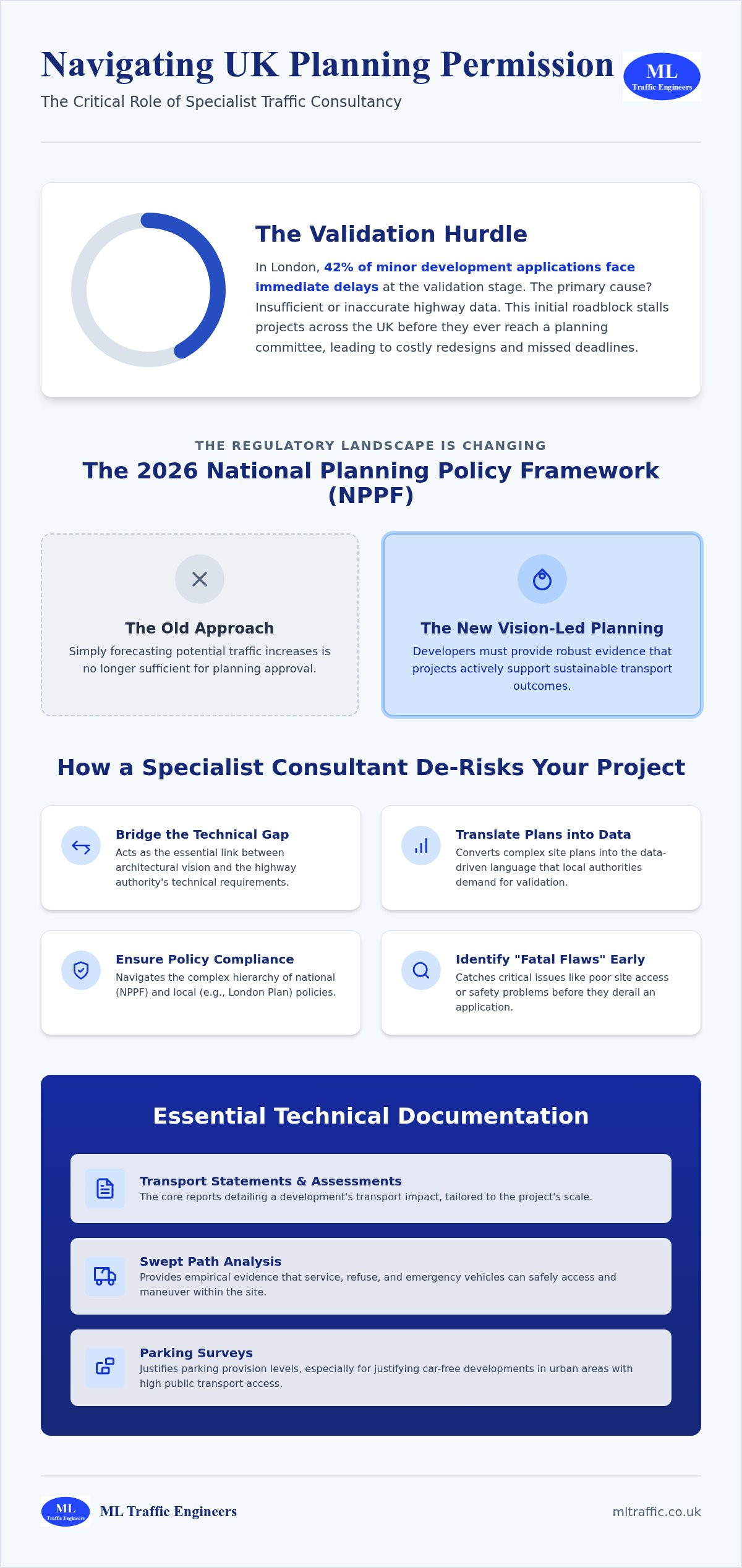
  • Transport Planning Consultants Bromley: A Developer’s Guide to Planning Success in 2026

    Transport Planning Consultants Bromley: A Developer’s Guide to Planning Success in 2026

    A single centimetre of error in a swept path analysis can result in an immediate planning refusal from Bromley Council. You’ve likely spent months refining your site layout, only to face unexpected highway safety objections that stall your 2026 project timeline. Working with experienced Transport Planning Consultants Bromley ensures these technical details are handled with precision from day one. We understand that mastering the London Borough of Bromley’s specific parking and access standards often feels like hitting a moving target. It’s frustrating when technical inaccuracies lead to costly delays and friction with highway officers. In 2024, highway safety objections remained one of the top reasons for planning delays in South East London. You need more than just a drawing; you need a strategic partner who understands the intricate complexities of UK road regulations.

    This guide shows you how to secure a seamless approval by navigating the council’s requirements with confidence. You’ll learn how to leverage precise CAD designs and cost-effective technical reports to satisfy every regulatory standard. We’ll walk through the essential components of a successful planning submission, from robust transport statements to expert representation. We ensure your project moves from the initial planning phase through to final implementation without a hitch.

    Key Takeaways

    • Understand the critical intersection between the London Plan and the Bromley Local Plan 2026 to ensure your development meets all evolving council requirements.
    • Discover why digital Swept Path Analysis is the essential gold standard for proving vehicle access feasibility and preventing costly design failures before construction begins.
    • Learn how expert Transport Planning Consultants Bromley provide the technical justification needed to navigate maximum parking standards and specific local policy deviations.
    • Identify common transport “red flags” and access pitfalls that trigger planning refusals, allowing you to mitigate risks before submitting your application.
    • Leverage 24/7 technical readiness and a “safe pair of hands” approach to secure professional, CAD-supported reports that guarantee full legislative compliance.

    The Role of Transport Planning Consultants in Bromley

    Securing planning permission in the London Borough of Bromley requires more than a basic site layout. Transport planning is the technical discipline of managing how people move to and from a new development. As we move toward the targets set for 2026, the Bromley Local Plan places heavy emphasis on sustainable growth and reduced car dependency. Transport Planning Consultants Bromley act as technical experts who translate these rigid policy requirements into actionable site designs. They move beyond simple access design to create complex strategies that prioritise walking, cycling, and public transport over private vehicle use.

    A consultant serves as your direct link to Bromley highway officers. They handle the technical negotiations regarding road safety, junction capacity, and the overall impact on the local network. This relationship is vital for avoiding costly delays during the planning process. Instead of reacting to objections, a consultant proactively addresses potential traffic issues before the application is submitted. They ensure your project meets the London Plan 2021 standards and local Bromley requirements, providing a safe pair of hands for complex urban or suburban developments. For a broader perspective on selecting the right expertise for your scheme, the developer’s guide to choosing transport consultants UK professionals trust outlines the essential criteria for a successful London planning submission.

    Why Bromley’s Geography Requires Specialized Planning

    Bromley is the largest London borough by area, covering 150 square kilometres. This creates a unique challenge for any developer. You must balance the protected “leafy” suburban character of areas like Chislehurst and Keston with the high-density requirements of Bromley South and Orpington. Transport Planning Consultants Bromley use Public Transport Accessibility Level (PTAL) ratings to determine your project’s parking and density viability. A site near Bromley South station might have a PTAL of 5 or 6, which allows for car-free or car-lite development. Conversely, a site in Biggin Hill might have a PTAL of 1 or 2, requiring a completely different approach to vehicle mitigation and infrastructure design.

    Key Documents for Your Planning Application

    The scale of your project dictates the documentation you must submit to the council. Smaller developments typically require a Transport Statement to prove the local road network can handle the additional load. Larger schemes demand a full Transport Assessment. This document includes detailed junction modelling and capacity analysis to ensure the development doesn’t cause gridlock. By 2026, Travel Plans have become essential for almost all commercial and large residential applications. These plans outline specific targets to reduce single-occupancy vehicle trips, often by 10% or more over a five-year period. You can see our project types for specific examples of these documents in practice. Precision in these reports prevents the London Borough of Bromley from issuing a refusal based on transport grounds.

    Swept Path Analysis: The Core of Modern Access Design

    Swept Path Analysis (SPA) serves as the technical foundation for every successful planning application in the London Borough of Bromley. It’s a digital simulation that maps the path of a vehicle as it maneuvers through a proposed site layout. Planners view this as the gold standard because it provides empirical proof that a design is safe and functional. Transport Planning Consultants Bromley use these simulations to identify potential collisions between vehicles and permanent structures like kerbs, walls, or parked cars before any ground is broken.

    In 2026, the margin for error has disappeared. Bromley Council updated its local plan requirements to reflect the increased size of modern service vehicles and stricter safety protocols. Digital simulation prevents physical access failures, saving developers from the catastrophic expense of retrofitting access roads after construction. For tight urban infill sites, which are common in areas like Beckenham or Orpington, SPA is often the deciding factor in securing planning permission from a skeptical committee.

    Critical Vehicle Templates for Bromley Developments

    Local authorities require specific vehicle templates to ensure public safety and service continuity. Our simulations focus on three primary areas:

    • Fire Tender Access: Our engineers simulate the movement of 11.4m fire tenders to meet London Fire Brigade standards. This ensures emergency vehicles reach every corner of the development without obstruction.
    • Refuse Vehicle Tracking: Bromley Council employs specific waste collection criteria. We use 11.2m refuse vehicle templates to confirm that bins are collected without the truck mounting pavements or blocking essential traffic flow.
    • Deliveries and Servicing: For commercial projects, we map the swept paths of Heavy Goods Vehicles (HGVs) and Light Goods Vehicles (LGVs) to ensure loading bays remain accessible and functional under heavy use.

    The Technology Behind the Analysis

    Our team utilizes industry-leading software like AutoTrack to produce millimetre-perfect simulations. This CAD-based technology allows us to overlay 2D and 3D swept paths directly onto your architectural site plans. These visualizations highlight “pinch points” in car park designs where visibility might be compromised or turning circles are too tight for standard vehicles.

    By identifying these issues during the initial design phase, Transport Planning Consultants Bromley provide a clear, data-driven path to approval. You can learn more about swept path analysis services in London to see how these techniques apply across the capital. If you need to verify your site’s viability, we offer comprehensive traffic planning support to guide your project through the regulatory process. Our constant availability ensures your project moves forward without delay.

    Transport Planning Consultants Bromley: A Developer's Guide to Planning Success in 2026

    Bromley Council operates within a complex regulatory framework. It must adhere to the London Plan 2021 while maintaining the borough’s unique character. By 2026, the council has intensified its scrutiny of “Vision Zero” targets. Every new development must demonstrate a proactive contribution to eliminating road deaths and serious injuries. This requires more than just a standard Transport Assessment. Expert Transport Planning Consultants Bromley provide the technical rigor needed to satisfy these safety-first requirements. We ensure your project aligns with the latest pedestrian safety audits and cycle infrastructure standards.

    Sustainable Drainage Systems (SuDS) are now a non-negotiable part of highway design in the borough. Bromley requires developers to manage surface water runoff within the site boundary to prevent local flooding. This often involves permeable paving or rain gardens integrated directly into the transport layout. Our designs prioritize these green solutions without compromising vehicle tracking or site access. We focus on seamless integration to satisfy both highway and environmental officers simultaneously.

    Bromley’s Approach to Parking and PTAL Ratings

    Bromley contains some of the most varied PTAL (Public Transport Accessibility Level) ratings in London. While central Bromley often reaches scores of 5 or 6, rural areas like Biggin Hill can drop to 0 or 1. You can’t apply a one-size-fits-all approach here. For car-lite developments in the town center, you’ll need robust justification to deviate from the London Plan’s maximum allowances. If you’re proposing lower parking ratios, you must prove that on-street capacity exists. Our team utilizes parking surveys to provide the empirical data Bromley’s planning officers demand. These surveys follow the Lambeth Methodology to ensure accuracy within a 200-metre radius of your site.

    S278 and S38 Agreements in the Borough

    Securing planning permission is only half the battle for a developer. If your project requires changes to the public highway, you’ll need a Section 278 agreement. This is a legal contract between the developer and Bromley Council. It ensures that off-site highway improvements, like new site accesses or junction upgrades, meet strict safety and construction standards. For internal roads intended for adoption by the council, a Section 38 agreement is necessary. Our engineers provide comprehensive highway design services to manage these technical approvals. We handle the CAD drawings and technical audits to prevent costly delays during the construction phase. We act as your technical liaison, ensuring all works meet the borough’s specific adoption criteria.

    Preventing Planning Refusal: Common Access Pitfalls

    Planning refusal in the London Borough of Bromley often stems from overlooked transport details that appear minor but impact public safety. Professional Transport Planning Consultants Bromley identify these “red flag” issues during the initial site appraisal. If you wait for the Highways Officer to point out a deficiency, you’ve already lost time and momentum.

    One of the most expensive mistakes is delaying swept path analysis until the objection stage. This CAD-based simulation proves that large vehicles, such as 11.4-metre refuse trucks or emergency fire tenders, can enter and exit your site in forward gear. If your site layout doesn’t account for these turning circles, you may face a total redesign of your ground floor or parking area. This often happens after the architectural plans are supposedly “final,” leading to thousands of pounds in wasted design fees.

    When highway officers raise concerns, don’t guess. Respond with technical data. We use 2026-compliant modelling to show exactly how a development impacts the local network. In a 2024 case study involving a narrow residential mews near Bromley South, access objections nearly stalled a six-unit development. By using high-precision 3D swept path analysis and revised visibility splay calculations, we proved that the existing entrance met safety standards without requiring land from neighbouring properties. The application was approved in the next committee cycle.

    Top 5 Reasons Bromley Transport Applications Fail

    • Inadequate visibility splays: Failing to prove that drivers can see 43 metres in both directions at a 30mph junction.
    • Emergency vehicle access: Failing to demonstrate safe turning circles for a standard 12-tonne fire appliance.
    • Inaccurate traffic surveys: Using outdated data that underestimates the number of peak-hour trips.
    • Cycle storage non-compliance: Not meeting the London Plan’s strict requirements for secure, accessible bike parking.
    • Over-reliance on on-street parking: Assuming the local streets can handle “overspill” without a formal parking stress survey.

    Proactive Mitigation Strategies

    Success requires a proactive stance. We often redesign car park layouts to maximise every square metre while maintaining Chapter 8 compliance and safety. Implementing a robust Travel Plan can also reduce your development’s perceived impact on peak-hour congestion by promoting sustainable transport alternatives. Engaging in pre-application discussions with the Bromley highways team is vital. It allows us to resolve technical disputes before they’re made public in the planning portal.

    Partnering with ML Traffic Engineers for Your Bromley Project

    Securing planning permission in 2026 requires more than just standard documentation. It demands a partner who anticipates regulatory shifts and responds with urgency. As leading Transport Planning Consultants Bromley, ML Traffic Engineers provides a 24/7 response model to ensure your project never stalls. Speed of technical response is critical. A single day’s delay in submitting a revised drawing can result in missing a planning committee deadline, potentially pushing your project back by three months or more.

    We adopt a “Safe Pair of Hands” approach to every technical transport report. This means we take full responsibility for the accuracy and compliance of your submission. We don’t just identify potential highway issues; we engineer the solutions required to overcome them. Our team provides total managed solutions that cover the entire project lifecycle. We handle everything from the initial site survey and data collection to the final negotiations with highway officers. Our deep understanding of London-specific regulations and Bromley’s local transport policies makes us the most reliable partner for developers in the borough. Understanding what separates effective transport consultants UK developers rely on for London planning success can help you make the most informed choice for your project.

    Data-Driven Precision for Developers

    Accuracy is the only way to avoid costly appeals. We use our own in-house data collection teams to ensure every Transport Statement is based on current, verifiable facts rather than outdated estimates. This precision allows us to combine technical Swept Path Analysis (SPA) with practical highway engineering to prove your site’s viability. We demonstrate exactly how delivery vehicles or emergency services will navigate your development. We maintain an unwavering commitment to Chapter 8 safety standards to ensure all site-based assessments are conducted with total legal and physical integrity.

    Start Your Bromley Planning Journey Today

    The first step toward a successful build is a comprehensive site feasibility review. Our process for requesting a quote is designed for speed, providing you with the clarity you need to make informed investment decisions. We collaborate closely with architects during the early design stages to refine site layouts. This partnership ensures that access points and parking configurations are optimized for both local authority approval and maximum development efficiency. Getting these details right at the start prevents expensive redesigns later in the process.

    Don’t leave your project’s success to chance. You can Contact ML Traffic Engineers for your Bromley project today to secure the technical expertise your development deserves.

    Future-Proof Your Bromley Development for 2026

    Success in the Bromley planning landscape requires more than just a standard application; it demands technical precision and a deep understanding of local access requirements. By utilizing advanced AutoTrack swept path analysis and TRICS modelling, you can address potential access pitfalls before they lead to a refusal. These tools are essential for proving that your site can handle modern traffic demands while maintaining strict safety standards.

    Since 2014, ML Traffic Engineers has acted as a dependable partner for developers across the capital. With over a decade of London planning experience, we provide the 24/7 emergency response and rapid technical report turnaround necessary to meet tight deadlines. As expert Transport Planning Consultants Bromley, we take pride in managing the logistical burdens of your project from initial CAD design through to final execution. Our team ensures full legislative compliance so you don’t have to worry about regulatory stress.

    Secure your Bromley planning approval with expert transport consultancy

    Your project’s viability is our priority, and we’re ready to provide the professional integrity your development needs to succeed.

    Frequently Asked Questions

    When is a Transport Statement required for a planning application in Bromley?

    Bromley Council requires a Transport Statement for developments that generate moderate traffic levels but don’t warrant a full assessment. This usually applies to residential schemes between 50 and 80 units or commercial developments with a floor area exceeding 1,500 square metres. It’s a vital document that proves your project won’t negatively impact the local highway network’s safety or capacity.

    How long does a swept path analysis report take to produce?

    A standard swept path analysis report typically takes 3 to 5 working days from the moment we receive your final CAD site layout. For more complex projects involving multi-way systems or emergency vehicle access through narrow junctions, the process might take up to 7 days. We prioritize speed and precision to ensure your planning submission remains on schedule.

    Does Bromley Council have specific parking standards for new residential developments?

    Bromley follows the parking standards set out in the London Plan 2021, which links parking provision to Public Transport Accessibility Level (PTAL) scores. In areas with a PTAL score of 4 to 6, the council expects car-free developments. Conversely, in PTAL 0 to 1 areas, developers can provide up to 1.5 spaces per unit to meet local demand.

    What is the difference between a Transport Assessment and a Transport Statement?

    The primary difference lies in the scale of the development and the depth of the required data. A Transport Statement is a concise report for smaller projects with limited traffic impact. Transport Planning Consultants Bromley produce full Transport Assessments for larger schemes, incorporating detailed traffic modelling and junction capacity analysis to satisfy the National Planning Policy Framework requirements.

    Can swept path analysis help if my site has a very narrow entrance?

    Swept path analysis is essential for sites with constrained access points because it provides digital proof of vehicle maneuverability. By using CAD design software, we simulate the exact turning circles of refuse trucks and fire tenders. This technical evidence often resolves Highway Authority concerns about site safety and prevents costly delays during the planning committee stage.

    How much do transport planning consultants in Bromley typically cost?

    Fees depend heavily on project complexity, but a basic Transport Statement for a small-scale Bromley development often starts around £1,500. For major residential or commercial schemes requiring extensive traffic data and Transport Planning Consultants Bromley expertise, costs can exceed £5,000. These figures reflect the technical expertise required to ensure full regulatory compliance and safety.

    What happens if the Highway Authority objects to my planning application?

    An objection from the Highway Authority triggers a formal review of your site’s access and safety design. We act immediately to review the specific grounds for objection, such as inadequate visibility splays or pedestrian safety concerns. Our team then prepares a robust technical rebuttal or suggests design modifications to align the project with current safety standards.

    Do I need a parking survey for a small-scale development in Bromley?

    You’ll need a parking survey if your proposal offers less parking than the London Plan’s maximum standards. Bromley Council typically insists on a survey following the Lambeth Methodology, which requires data collection between 00:30 and 05:30 on two separate weekday nights. This data proves that the surrounding streets have the capacity to absorb any potential overspill.

    Michael Lee

    Article by

    Michael Lee

    Transport planner with over 35 years’ experience.

    Disclaimer

    The content on mltraffic.co.uk, including all technical articles, guides, and resources, is provided for general informational and educational purposes only. It is not intended to constitute professional advice in traffic engineering, transportation planning, development approvals, or any other technical or legal field.
    While ML Traffic Engineers makes every reasonable effort to ensure the accuracy, completeness, and timeliness of the information published, we do not provide any warranties or representations (express or implied) regarding its reliability, suitability, or availability for any particular purpose. Any reliance you place on the content is strictly at your own risk.
    In no event shall ML Traffic Engineers, its directors, employees, authors, or affiliates be liable for any direct, indirect, incidental, special, consequential, or punitive damages (including, without limitation, loss of profits, data, or business opportunities) arising out of or in connection with the use of, or inability to use, any information provided on this website.
    The articles and guides on this site are not a substitute for engaging a qualified, professional traffic engineer to assess your specific project requirements. For tailored advice, compliance assessments, or traffic engineering services, please contact a competent professional.
    This disclaimer may be updated from time to time without notice. By accessing or using this website, you agree to be bound by the most current version of this disclaimer.
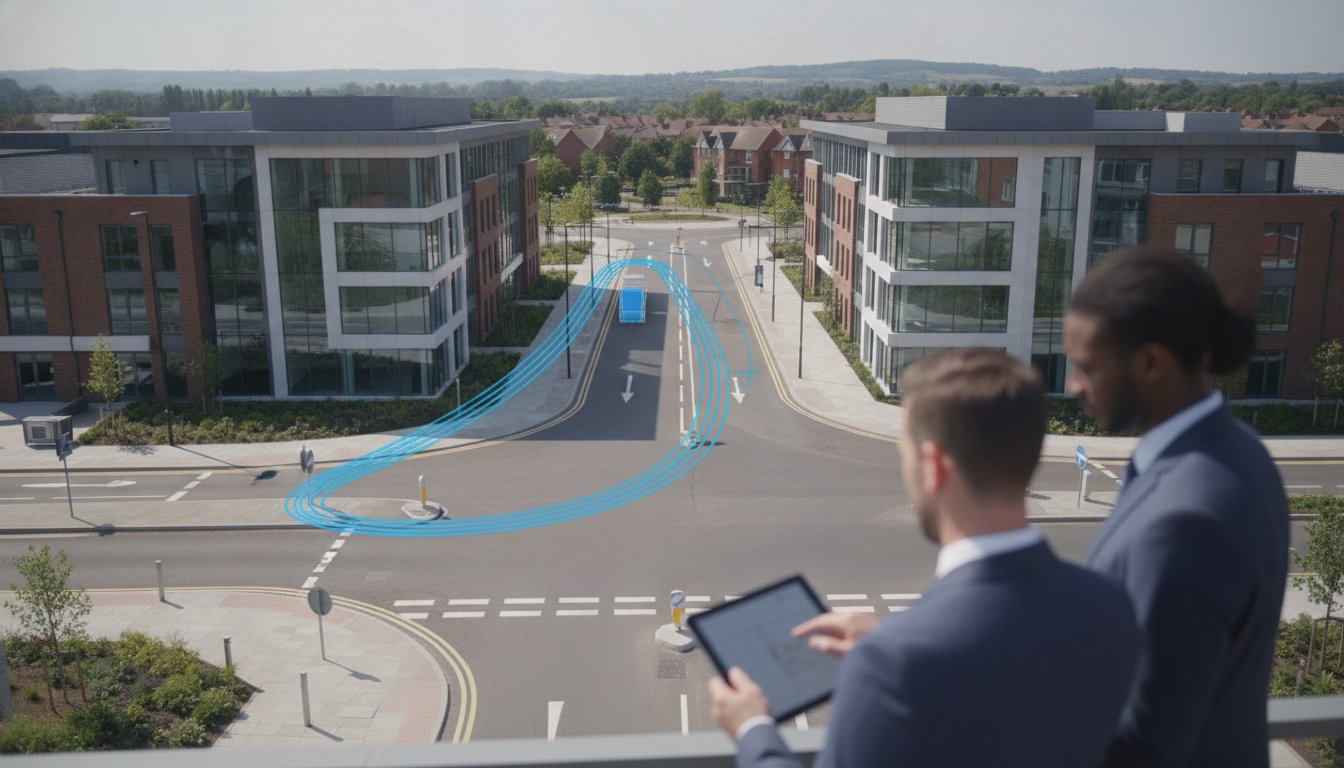
  • Transport Statement vs. Transport Assessment: A London Developer’s 2026 Comparison Guide

    Transport Statement vs. Transport Assessment: A London Developer’s 2026 Comparison Guide

    Submitting a full transport assessment when a simpler transport statement would suffice can inflate your pre-construction costs by more than £4,000 and delay your start date by up to 12 weeks. With 32 London boroughs and the City of London each enforcing distinct planning thresholds, a single technical omission often leads to immediate application refusal. We know the pressure of meeting tight deadlines while maintaining total legislative compliance. It’s a high-stakes environment where precision is a legal necessity and there’s no room for guesswork.

    You’ve likely felt the frustration of shifting regulatory goalposts and the high costs of unnecessary technical data. This comparison guide ensures you master the critical differences between these documents to meet 2026 regulatory standards without costly setbacks. We’ll provide a clear breakdown of development thresholds and borough-specific requirements so you can budget accurately for technical reports. You’ll gain a sequential roadmap for securing faster planning approval through professional, safety-conscious traffic planning that keeps your project moving forward.

    Key Takeaways

    • Identify whether your project requires a transport statement or a more detailed transport assessment based on 2026 London-specific thresholds and “significant impact” rules.
    • Navigate the technical requirements of the Mayor’s Transport Strategy, ensuring your submission integrates Healthy Streets and Vision Zero safety protocols.
    • Avoid planning delays by mastering baseline data collection, from site-specific traffic counts to comprehensive parking surveys in Central London.
    • Discover how professional modelling and expert policy reviews can mitigate the logistical and regulatory burdens of a major planning application.
    • Gain access to 24/7 technical guidance to meet urgent deadlines and maintain strict compliance with Greater London’s evolving traffic regulations.

    Table of Contents

    What are Transport Statements and Assessments in the London Planning Context?

    In the high-stakes environment of London property development, securing planning permission hinges on technical precision and safety compliance. A transport statement serves as a light-touch appraisal for smaller schemes, while a transport assessment is a comprehensive study required for major developments with significant impact. These documents form the backbone of the transportation planning process, ensuring that new projects don’t compromise the safety or efficiency of the capital’s road network.

    The National Planning Policy Framework (NPPF) sets the baseline for these requirements, but the London Plan 2026 introduces stricter mandates for sustainable travel and Vision Zero safety standards. For developers, these reports are non-negotiable. Without them, local authorities can’t grant a positive planning recommendation. Our team at ML Traffic understands that precision in these early stages prevents costly delays during the implementation phase of a project.

    The Purpose of Transport Documentation

    These reports identify potential traffic and safety issues before they become permanent design flaws. By using CAD design and site data, developers demonstrate compliance with London Borough Local Plans. This data-driven approach is critical for negotiating Section 106 agreements or Community Infrastructure Levy (CIL) contributions. In 2023, industry data indicated that robust documentation reduced planning appeal rates by 22% for mid-sized London residential schemes. Key objectives include:

    • Evaluating the existing transport infrastructure and its capacity.
    • Proposing mitigation measures for any identified negative impacts.
    • Ensuring safe access for all road users, including pedestrians and cyclists.
    • Aligning the project with the Mayor’s Transport Strategy.

    Key Differences in Scope and Scale

    The depth of analysis varies based on the project’s scale. A transport assessment requires rigorous junction modelling and multi-modal impact studies. Conversely, a transport statement focuses on local access and parking. Early engagement with Highway Authorities, specifically Transport for London (TfL), is vital to agree on the scope before submission. In 2024, TfL updated their pre-application guidance to emphasize “Healthy Streets” indicators in all major assessments. A transport statement is a concise report for developments with limited transport implications. Whether you’re managing a small conversion or a major commercial hub, accuracy is a legal and physical necessity. We provide the technical authority needed to manage these complexities from initial planning through to final execution.

    The Technical Anatomy: What Goes Into Each Report?

    Every transport statement and transport assessment begins with rigorous data collection to satisfy the London Plan 2021 requirements. Developers must provide a baseline that reflects current Central London conditions. This process includes parking surveys following the Lambeth Methodology and automated traffic counts at key junctions. We align every project with the Mayor’s Transport Strategy, specifically the Healthy Streets Approach which aims for 80% of trips to be made by foot, cycle, or public transport by 2041. This data ensures your submission adheres to the official government guidance for planning applications.

    A site audit evaluates the local Public Transport Accessibility Level (PTAL) score. This metric determines the intensity of development allowed on the plot. We use the TRICS database, currently on version 7.11, to predict future vehicle movements based on comparable London sites. Precise data collection is the foundation of a successful application. It prevents delays during the local authority review process.

    Core Components of a Transport Statement

    A Transport Statement is typically required for smaller developments where the traffic impact is limited. It focuses on the transition from existing site use to the proposed use. We provide a detailed analysis of basic access arrangements for all road users. This includes Swept Path Analysis to prove that refuse and delivery vehicles can manoeuvre safely within the site constraints. The report also summarises parking provision against the strict maximum standards set by the London Boroughs to discourage private car ownership.

    Advanced Components of a Transport Assessment

    Major developments require a comprehensive Transport Assessment. This involves sophisticated junction capacity modelling using industry software like LinSig or Junctions 9. These tools simulate how the project affects the wider London road network during peak hours, specifically between 08:00 and 09:00. We conduct multi-modal impact analysis to track how pedestrians, cyclists, and bus users interact with the site. Every assessment integrates a full Travel Plan and a Construction Logistics Plan (CLP) to manage the build phase. If you need assistance with these technical requirements, you can explore what we do to ensure your project remains compliant with Transport for London (TfL) standards.

    Transport Statement vs. Transport Assessment: A London Developer’s 2026 Comparison Guide

    Transport Statement vs. Transport Assessment: Which Do You Need?

    The decision between a transport statement and a transport assessment depends on the scale of your development and its potential impact on the London road network. While national thresholds exist, London boroughs often apply stricter criteria due to high urban density and air quality targets. According to the official government guidance, developers must provide a proportionate level of detail based on the project’s size. Smaller projects with limited traffic impact usually require a Statement, whereas larger schemes necessitate a full Assessment.

    Threshold Guidelines for London Developers

    Residential thresholds in London generally follow a 50 to 80 rule. Projects with fewer than 50 units usually require a Statement. Once a scheme exceeds 80 units, a full Assessment is mandatory. Commercial requirements are stricter. Office developments (B1) often trigger an Assessment at 2,500m² GFA, but retail sites (A1) face this requirement at just 1,000m² due to higher trip generation rates. Sensitive locations near primary schools or major interchanges like Stratford or Victoria often trigger full reporting regardless of these numbers. A 40-unit residential build near a major bus depot in Southwark might be pushed into a full Assessment to ensure public safety and network fluidity.

    PTAL Ratings and the Significant Impact Rule

    Public Transport Accessibility Level (PTAL) ratings influence the depth of your report. Sites with a PTAL score of 6a or 6b indicate excellent connectivity, which can sometimes justify a reduced scope because car dependency is lower. However, the “Significant Impact” rule remains the ultimate decider. If a development is expected to generate more than 30 two-way vehicle movements in peak hours, an Assessment is almost always required. In 2024, a developer in Ealing successfully used a transport statement for a 60-unit project by proving the site’s high PTAL rating would result in negligible vehicle growth, saving weeks in the planning cycle.

    The Role of Pre-Application Advice

    You shouldn’t guess which report is needed. Engaging with borough planning officers through pre-app services is the most reliable way to confirm the required scope. A professional transport planning consultant uses these meetings to negotiate a “scoped-down” Assessment where possible. This prevents the over-assessment trap, which often adds 6 weeks to project lead times and increases costs through unnecessary data collection. We focus on technical precision and Chapter 8 compliance to ensure your application is robust from the first submission. This proactive approach manages regulatory burdens and keeps your project on schedule.

    London’s planning landscape in 2026 demands a shift from traditional traffic modelling to a holistic “Healthy Streets” approach. This framework prioritises 10 indicators, such as shade, shelter, and air quality, over simple vehicle throughput. Whether you’re submitting a transport statement for a minor scheme or a full transport assessment for a major project, your report must demonstrate how the development encourages active travel. The 2026 London Plan updates require developers to prove their site contributes to the Vision Zero goal: eliminating all deaths and serious injuries from London’s transport network by 2041.

    Active Travel Zone (ATZ) assessments are now a non-negotiable standard for most London developments. You’ll need to evaluate the quality of walking and cycling routes within a 20-minute radius of your site. If your project sits near a London Bus route or a designated Cycleway, your report must address potential delays to public transport and safety risks to cyclists. Failing to account for these variables often leads to immediate objections from local authorities or TfL. Precision in these reports isn’t just about compliance; it’s about ensuring the long-term viability of the urban fabric. High-pressure development zones such as the O2 and Greenwich Peninsula, where Transport Planning Consultants Greenwich must navigate some of London’s strictest car-free policies, demonstrate exactly how demanding these active travel requirements can become.

    PTAL and Parking Minimums/Maximums

    Public Transport Accessibility Level (PTAL) scores dictate your parking strategy. In 2026, sites with a PTAL of 4 or higher are typically mandated as car-free, excluding essential disabled parking. For outer London Boroughs where PTAL scores are lower, you can justify parking provision using data-backed parking surveys to prove local capacity exists. Current Building Regulations Part S now require 100% of new residential parking spaces to have access to EV charging infrastructure, a significant jump from previous 20% requirements that developers must factor into their initial site power assessments. Boroughs with strict heritage and parking controls, such as those served by transport planning consultants Richmond upon Thames, illustrate how high PTAL ratings of 5 or 6 can actively limit development density and shape the entire parking strategy.

    Liaising with Transport for London (TfL)

    Projects affecting the Strategic Road Network (SRN) or the Transport for London Road Network (TLRN) face higher scrutiny. You’ll need a detailed Transport Assessment London if your site is near a Tube station to manage pedestrian flow and potential structural impacts. TfL oversight is mandatory for any development within 100 metres of a red route. Early engagement with TfL helps you avoid costly design revisions later in the planning process. Our team manages these high-stakes consultations to ensure your project moves from the planning phase to execution without regulatory delays.

    Ensure your project meets every London safety and compliance standard by booking a consultation for a comprehensive transport assessment today.

    How ML Traffic Engineers Secures Your Planning Approval

    ML Traffic Engineers delivers a rigorous, data-first methodology to ensure your application meets the exacting standards of London local authorities. We combine site-specific traffic surveys, including Automatic Traffic Counts (ATCs) and Manual Classified Counts (MCCs), with industry-standard modelling software like Junctions 10 and VISSIM. This evidence-based approach is essential when you submit a transport statement or a full transport assessment in 2026. Our team remains available 24/7 because we know planning deadlines are often unforgiving and require immediate technical responses. We manage site visits across all 32 Greater London boroughs, providing a local presence from the congested streets of Westminster to the suburban corridors of Bromley.

    We understand that a successful application requires more than just a summary of vehicle movements. Our engineers provide a total, managed solution. We integrate the following elements directly into your core report:

    • Swept Path Analysis (SPA): We use CAD-based tracking to prove that refuse vehicles, fire tenders, and delivery vans can navigate your site safely.
    • Multi-modal Travel Plans: We develop robust strategies to encourage sustainable transport, a non-negotiable requirement for modern London developments.
    • Borough-Specific Validation: We tailor every document to meet the unique Local Validation Lists of the specific council overseeing your project, including the carbon-neutral targets that transport planning consultants Ealing must address for developments near Ealing Broadway and Southall.

    Why a Bespoke Solution Trumps a Template

    Generic templates don’t account for the intricate highway constraints of a London site. We customise every report to address the unique concerns of local planning officers. Our professional technical reports significantly reduce the risk of Section 106 delays. Industry data from 2024 suggests that approximately 15% of London planning applications face deferral due to insufficient transport evidence. We eliminate this risk by providing technical data that is robust and defensible at committee. You can visit our resources page for technical templates and guidance on the latest regulatory standards.

    Next Steps for Your Project

    Securing a “Safe Pair of Hands” for your traffic engineering needs is a strategic necessity. We position ourselves as a dependable partner that understands the high-stakes nature of UK road regulations. We’ll handle the logistical and regulatory burdens so you can focus on the construction phase. Obtaining a rapid fee proposal is straightforward. We provide clear, fixed-price quotes that reflect the specific scale of your development. To understand the transport consultant cost for transport statement or transport assessment, always get a tailored quote that accounts for your project’s unique requirements. Contact ML Traffic Engineers now for a comprehensive London site review. We’re ready to provide the technical authority and unwavering reliability your project demands.

    Secure Your London Planning Approval for 2026

    Securing planning permission in London for 2026 hinges on choosing the right technical report for your development. While a transport statement, transport assessment, or a full travel plan might seem similar, selecting the wrong one often leads to immediate rejection and lost revenue. Accuracy is vital because every report must align with the latest Transport for London (TfL) standards and specific borough requirements. These regulations change frequently, making up-to-date technical knowledge a non-negotiable asset for any project manager.

    ML Traffic Engineers has been a trusted partner for developers since 2014. We bring over 10 years of expertise to every project, ensuring your submission is compliant and professional. Our team remains available 24/7 to handle urgent CAD designs and technical submissions when your deadlines are tight. We’ll manage the intricate safety standards and legislative requirements so you don’t have to. You can rely on our proven track record of securing approvals across all 32 London boroughs.

    Get a Professional Quote for Your London Transport Statement

    We’re ready to help you navigate these complexities with confidence and precision.

    Frequently Asked Questions

    Is a Transport Statement a legal requirement for all London developments?

    A Transport Statement isn’t a legal requirement for every London project; it’s triggered by specific development thresholds defined in the London Plan 2021. For example, residential schemes with fewer than 50 units usually avoid this requirement unless the local planning authority identifies specific local traffic concerns. You should check your specific borough’s Local Plan to confirm if your site area or unit count triggers a formal submission.

    How long does it take to produce a Transport Assessment in London?

    Producing a comprehensive transport assessment typically takes between 4 and 8 weeks from the initial site visit to the final report. This timeline accounts for traffic count data collection, which requires 7 consecutive days of neutral-period monitoring to ensure accuracy. If your project involves complex modelling or requires consultation with Transport for London, you should allow for 12 weeks to ensure all regulatory standards are met.

    Can I upgrade a Transport Statement to an Assessment if the council requests it?

    You can upgrade a transport statement to a full assessment if the council’s planning officer determines the development’s impact is larger than initially projected. This process involves expanding the scope to include detailed junction capacity modelling and wider network analysis. Because the baseline data remains valid, we can often transition the documentation quickly, though you’ll need to account for the additional technical hours required for deeper analysis.

    What is the typical cost difference between a Statement and an Assessment?

    A Transport Assessment costs significantly more than a Statement because it requires advanced computer modelling and extensive data collection. While a Statement focuses on qualitative descriptions, an Assessment uses quantitative data to predict traffic flow changes across multiple junctions. Costs vary based on the specific project scale, but developers should expect the technical fee for an Assessment to be double or triple that of a standard Statement. For precise budgeting, understanding transport consultant costs in London and getting a tailored quote ensures you have accurate financial planning for your specific development requirements.

    Do I need a Transport Assessment for a change of use application?

    You’ll need a Transport Assessment for a change of use application if the proposed activity generates more trips than the existing site. For instance, converting a 500-square-metre warehouse into a gym often triggers a requirement because visitor frequency increases. The local council examines the net change in traffic; if the new use exceeds the thresholds set in the 2021 London Plan, a full technical report is mandatory.

    What happens if my Transport Statement shows a negative impact on local parking?

    If your report identifies a negative impact on local parking, you must propose formal mitigation measures to the planning authority. This often includes a Permit Free agreement where residents of the new development can’t apply for local Controlled Parking Zone permits. Alternatively, you might need to fund a parking survey within a 200-metre radius of the site to prove that 85% occupancy levels aren’t exceeded during peak hours.

    How long is a Transport Statement valid for once submitted?

    A submitted Transport Statement remains valid for the duration of the planning application and for 3 years after permission is granted. However, the underlying traffic data shouldn’t be older than 12 to 18 months at the point of submission. If your project faces delays and the local traffic network changes, such as a new cycle superhighway installation, the council may require updated counts to reflect current conditions.

    Does a Transport Statement include a Travel Plan?

    A Transport Statement doesn’t include a full Travel Plan, although it often contains a Travel Plan Statement for smaller sites. While the Statement assesses the physical impact of the development, the Travel Plan focuses on long-term strategy to reduce car usage. For London developments exceeding 80 units, you’ll likely need to submit both documents as part of a coordinated planning strategy to ensure regulatory compliance.approval.

    Which areas in London do you cover?

    We service Acton, Balham, Barking, Barnes, Barnet, Battersea, Beckenham, Bexleyheath, Brentford, Brixton, Bromley, Camberwell, Carshalton, Charlton, Chelsea, Chiswick, Clapham, Coulsdon, Croydon, Crystal Palace, Dagenham, Dulwich, Ealing, Edgware, Eltham, Enfield, Finchley, Forest Gate, Fulham, Golders Green, Greenwich, Hackney, Hammersmith, Hampstead, Harrow, Hayes, Highgate, Hounslow, Ilford, Islington, Kensington, Kentish Town, Kingston upon Thames, Lewisham, Mitcham, Muswell Hill, New Malden, Notting Hill, Orpington, Peckham, Pinner, Purley, Putney, Richmond, Romford, Ruislip, Sidcup, Southall, Southgate, Streatham, Surbiton, Sutton, Tooting, Tottenham, Twickenham, Uxbridge, Walthamstow, Wembley, West Norwood, Wimbledon, Wood Green, Woolwich, Bethnal Green, Shoreditch, Canary Wharf, Deptford, Leyton, Palmers Green, Stanmore, Upminster, Chislehurst, Erith, Feltham.

    Which cities in England do you cover?

    We service London, Birmingham, Manchester, Liverpool, Sheffield, Leeds.

    Michael Lee

    Article by

    Michael Lee

    Transport planner with over 35 years’ experience.

    Disclaimer

    The content on mltraffic.co.uk, including all technical articles, guides, and resources, is provided for general informational and educational purposes only. It is not intended to constitute professional advice in traffic engineering, transportation planning, development approvals, or any other technical or legal field.
    While ML Traffic Engineers makes every reasonable effort to ensure the accuracy, completeness, and timeliness of the information published, we do not provide any warranties or representations (express or implied) regarding its reliability, suitability, or availability for any particular purpose. Any reliance you place on the content is strictly at your own risk.
    In no event shall ML Traffic Engineers, its directors, employees, authors, or affiliates be liable for any direct, indirect, incidental, special, consequential, or punitive damages (including, without limitation, loss of profits, data, or business opportunities) arising out of or in connection with the use of, or inability to use, any information provided on this website.
    The articles and guides on this site are not a substitute for engaging a qualified, professional traffic engineer to assess your specific project requirements. For tailored advice, compliance assessments, or traffic engineering services, please contact a competent professional.
    This disclaimer may be updated from time to time without notice. By accessing or using this website, you agree to be bound by the most current version of this disclaimer.
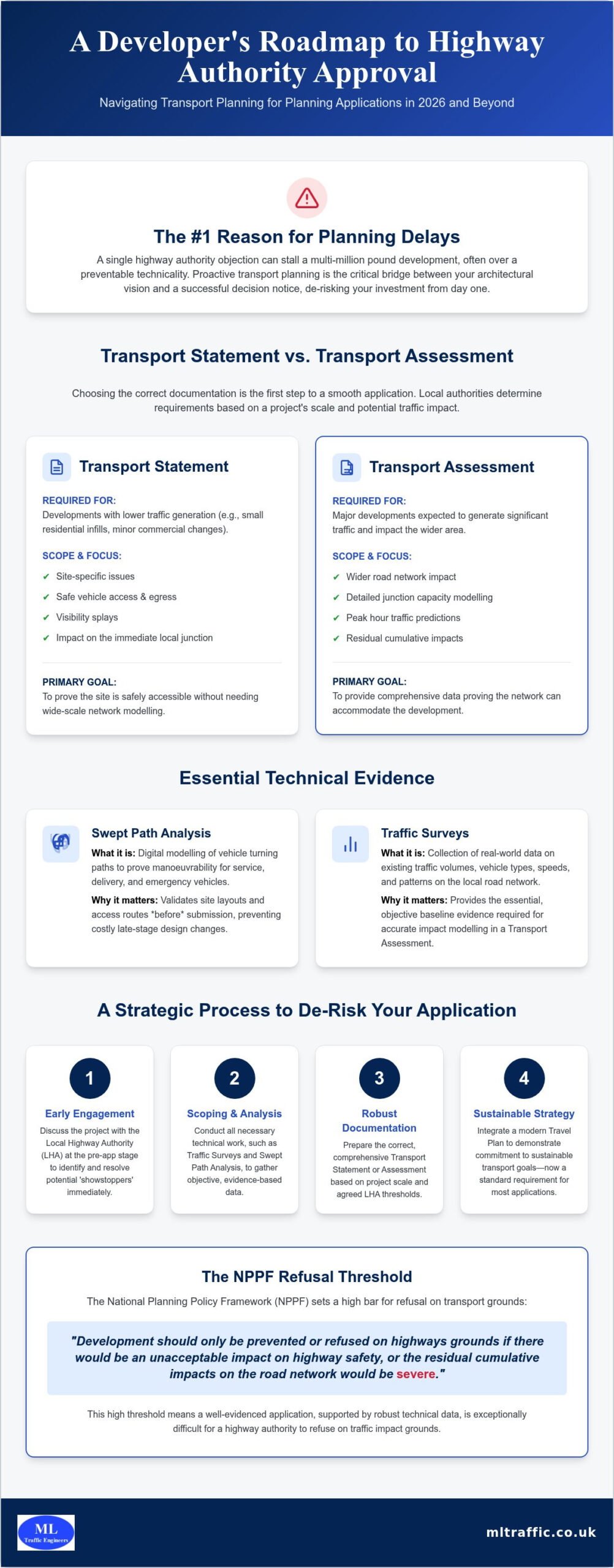
  • Transport Consultancy in London: A Developer’s Guide to Planning Success

    Transport Consultancy in London: A Developer’s Guide to Planning Success

    Did you know that up to 40% of planning applications in London boroughs face immediate delays because of insufficient transport data? You already know that securing approval in the capital is a high-stakes balancing act of regulatory compliance and technical precision. Engaging a specialist transport consultancy ensures you don’t fall victim to these common pitfalls, where a single oversight in a PTAL rating or a flawed Lambeth parking survey can stall a project for 26 weeks or more.

    This guide provides the insights needed to navigate complex requirements without the inflated fees often charged by larger firms for simple technical statements. We’ll examine the specific steps for producing legally compliant Swept Path Analysis and accurate parking data that satisfies local council demands from the first submission. Our focus is on providing a total, managed solution that prioritises speed, precision, and statutory compliance for your development.

    Key Takeaways

    • Understand how expert transport consultancy acts as a vital technical intermediary to align your development with the rigorous standards of London’s local highway authorities.
    • Identify the essential hierarchy of technical documentation, including Transport Statements and Travel Plans, required to accurately justify site access and traffic generation.
    • Learn why London-specific hurdles like Swept Path Analysis (SPA) are non-negotiable for ensuring emergency and refuse vehicle access within constrained urban environments.
    • Discover the strategic advantage of prioritising local technical proficiency and 24/7 availability to navigate complex regulatory requirements and meet urgent planning deadlines.

    Table of Contents

    The Role of a Transport Consultancy in London’s Planning Process

    A professional transport consultancy acts as the essential technical intermediary between developers and local highway authorities. In the high-stakes environment of London property development, this role involves more than just drawing plans. It requires a deep understanding of the Mayor’s Transport Strategy and the Healthy Streets Approach. Unlike the rest of the UK, London projects must navigate the complex Public Transport Accessibility Level (PTAL) system, which dictates everything from parking ratios to building density. A transportation planning expert ensures your project aligns with these specific 2026 standards from the very first site appraisal.

    To better understand how these experts bridge the gap between design and approval, watch this helpful video:

    The transition from a raw site appraisal to final planning approval documentation is a rigorous process. By 2026, statutory requirements demand that every major London development addresses Vision Zero safety targets. This means providing data-driven evidence that your site won’t compromise road safety for vulnerable users. Your transport consultancy manages this entire workflow, converting technical traffic counts and swept path analyses into the robust reports required for a successful application. They provide the technical authority needed to satisfy both Transport for London (TfL) and borough-level officers.

    When Should You Engage a Transport Planning Consultant?

    Supporting Commercial and Residential Developments

    Report requirements change based on the intended use of the land. High-density residential units require detailed Travel Plans that promote car-free living and cycle infrastructure. In contrast, commercial logistics hubs require a heavy focus on Delivery and Servicing Plans (DSPs) to ensure HGVs don’t gridlock local streets. The London Plan 2021, with its 2026 updates, places strict pressure on how these developments impact local transport strategies. You can view specific examples of how these reports are tailored for different environments by exploring ML Traffic project types. Whether it’s a small residential block or a massive industrial estate, the documentation must prove seamless integration with the existing network.

    Essential Technical Reports: From Transport Statements to Assessments

    Securing planning permission in London requires a precise hierarchy of documentation. A professional transport consultancy ensures your submission aligns with the National Planning Policy Framework and the specific requirements of the 33 London local authorities. These reports provide the technical evidence needed to justify site access, parking provision, and traffic impact. Following official government guidance, developers must submit either a Transport Statement or a full Transport Assessment based on the scale of the proposed project. Precision in these documents prevents costly delays and ensures your site design integrates seamlessly with the existing road network.

    Transport Statements vs. Assessments: Which Do You Need?

    The choice between a Statement and an Assessment depends on the development’s size and potential impact. Small-scale sites, typically those with fewer than 50 residential units or 1,000 square metres of commercial space, often require a Transport Statement. This document focuses on local access, safety, and minor capacity issues. For larger schemes, a full Transport Assessment is mandatory. We use the TRICS database to provide granular trip generation data, ensuring predicted traffic volumes are defensible during the consultation phase. A robust Statement is often the decisive factor for smaller infill sites where space is limited and 24/7 access is vital for commercial viability.

    The Critical Role of Travel Plans

    London’s planning policy prioritises a 15% to 20% reduction in car use for new developments. London Travel Plans are essential for achieving this modal shift. They outline how a site will encourage cycling, walking, and the use of public transport. In areas with a low Public Transport Accessibility Level (PTAL) score, such as 1 or 2, a well-structured Travel Plan mitigates the impact of the development by implementing car clubs or enhanced cycle storage. Local authorities now require strict monitoring of these plans for up to 5 years post-completion. A dedicated Travel Plan Coordinator manages this process to ensure long-term compliance with Section 106 agreements.

    Integrating active travel into site design isn’t just a policy requirement; it’s a practical necessity for modern London developments. We justify site access by demonstrating that pedestrians and cyclists have priority over private vehicles. Our transport consultancy services include detailed modelling of traffic generation to prove that your project won’t compromise local road safety or air quality. If you’re unsure which report your project requires, our team can review your technical service requirements to ensure full compliance from day one. We take pride in delivering bespoke solutions that satisfy both the developer’s commercial goals and the local authority’s strict regulatory standards.

    Transport Consultancy in London: A Developer’s Guide to Planning Success

    Evaluating Transport Planning Consultants: A Comparison Framework

    Selecting the right partner for your project requires looking beyond a corporate logo. While national firms offer broad brand recognition, London planning demands granular, borough-level insight. A specialist transport consultancy acts as a safe pair of hands, navigating the specific expectations of local highway officers in boroughs like Hackney or Islington. These officials often reject “one size fits all” reports that fail to account for the unique constraints of the capital’s road networks. Technical proficiency is non-negotiable. We utilise CAD design and AutoTrack software to conduct Swept Path Analysis, proving that refuse vehicles and emergency services can navigate tight urban sites safely. Precision is a legal and physical necessity in this environment.

    Local Expertise vs. National Reach

    London’s 32 boroughs each maintain distinct transport priorities and internal cultures. A specialist transport consultancy offers existing relationships with these departments, which helps in pre-application discussions. Developers must strictly follow Transport for London’s official guidance to ensure their submissions align with the Healthy Streets Approach. Generalist engineers often miss these nuances, leading to 15% to 20% longer determination periods. Choosing a specialist ensures your Transport Assessment is tailored to the specific streetscape rather than a generic national template.

    Data Accuracy and Survey Reliability

    To ensure a total, managed solution for your next project, consider these three criteria when comparing consultants:

    • Software Capability: Do they use industry-standard CAD and AutoTrack for all designs?
    • Regulatory Knowledge: Are they experts in Chapter 8 compliance and local London variations?
    • Responsiveness: Do they offer 24/7 support to handle urgent planning queries or site changes?

    Balancing cost-effectiveness with depth of analysis is essential. Cheap reports often result in expensive revisions. Investing in high-quality technical work at the start prevents the logistical and regulatory burdens that stall developments later in the cycle.

    Overcoming London-Specific Hurdles: SPA and Parking Surveys

    London’s Victorian road networks and narrow mews create immediate logistical barriers for modern development. A professional transport consultancy must account for these geometric constraints from day one. Developers often face rejection not because of a project’s design, but because a 12.2-metre refuse vehicle cannot physically make a turn. Safety and accessibility are the primary drivers for planning officers, and guesswork is never an acceptable substitute for technical data.

    Swept Path Analysis: Visualising Vehicle Movements

    Swept Path Analysis (SPA) uses CAD software to simulate vehicle movements within your site layout. We test against specific templates required by London Boroughs, such as the 10.2-metre Phoenix Recycler or standard 10.7-metre fire tenders. By identifying “pinch points” early, we prevent the need for costly structural redesigns after you’ve submitted your application. It proves that emergency services and delivery vans can enter, turn, and exit in forward gear. This is a non-negotiable safety requirement for the London Fire Brigade and local highway authorities. Our team uses the latest vehicle specifications to ensure every turn is compliant with current 2026 safety standards.

    Parking Surveys and PTAL Ratings

    The London Plan 2021 shifted the capital toward a car-free future, especially in areas with a Public Transport Accessibility Level (PTAL) score of 4, 5, or 6b. PTAL ratings range from 0 (poor access) to 6b (excellent access), and these scores dictate the maximum density and minimum parking allowed. When developers need to justify parking provision in high-density zones, robust data is vital. We conduct parking surveys in London using the Lambeth Methodology.

    This standard requires surveys at 00:30 and 05:30 on two separate weekday nights to measure parking stress within a 200-metre radius of the site. If your project exceeds local standards, this empirical evidence demonstrates whether the surrounding streets can absorb the additional demand without compromising highway safety. It’s the most effective way to counter objections regarding overspill parking in residential neighbourhoods.

    • PTAL Impact: High scores often mandate zero-parking for residential units, requiring developers to provide enhanced cycle storage instead.
    • Lambeth Methodology: Provides a snapshot of kerbside capacity to prove your development won’t cause local gridlock.
    • Redesign Prevention: Accurate SPA data ensures you don’t lose valuable ground-floor square footage to unnecessary vehicle turning circles.

    Our team provides the technical authority needed to navigate these regulatory hurdles. We ensure your site remains compliant with the latest planning requirements while maximising developable space. Contact us for a comprehensive transport consultancy assessment to secure your project’s approval.

    Why ML Traffic Engineers is Your Partner for London Planning

    ML Traffic Engineers has provided bespoke transport solutions across Greater London and the South East since 2014. We understand that the capital’s planning environment is one of the most regulated in the world. Our team bridges the gap between complex technical requirements and practical project delivery. We maintain 24/7 availability to address urgent planning deadlines; this ensures your project stays on track even when unexpected queries arise from local authorities or Transport for London (TfL).

    Our expertise extends beyond desk-based reporting. We combine high-level technical analysis with on-the-ground traffic data collection. This dual approach ensures that every transport consultancy report we produce is backed by accurate, real-time figures rather than outdated estimates. Every project we undertake adheres strictly to Chapter 8 compliance, maintaining the highest standards of safety and professional excellence in every survey and site visit.

    • Bespoke transport solutions tailored to specific London boroughs since 2014.
    • Constant 24/7 availability for emergency planning support.
    • Integrated data collection and technical reporting teams.
    • Full Chapter 8 compliance for all on-site operations.

    A Seamless Path to Planning Approval

    Planning officers require technical authority and precision to sign off on new developments. Our professional tone and detailed reporting provide the reassurance they need to grant approval. We manage the entire transport planning lifecycle, from initial feasibility studies to final implementation. This comprehensive support reduces the logistical burden for developers. We act as a safe pair of hands, navigating the intricate highway regulations so you can focus on the construction phase. Our involvement often prevents the costly delays associated with rejected London Travel Plans or inadequate site access data.

    Get Started with Your London Project

    Timelines in London development are often aggressive. We specialise in handling emergency requests and tight turnaround times without compromising on quality. Whether you need a Transport Statement or a detailed Swept Path Analysis, our team is ready to assist. We provide clear, fixed-price quotes that reflect the specific requirements of your site and the relevant use classes. Our transport consultancy services are designed to be reactive, ensuring that a 24-hour deadline doesn’t become a barrier to your planning success.

    Contact ML Traffic Engineers today for a bespoke transport consultancy quote.

    Move Your London Development Forward with Confidence

    Success in London’s property market requires more than just a vision; it demands technical precision and a deep understanding of borough-specific mandates. Since 2014, ML Traffic Engineers has helped developers navigate the complexities of Transport Assessments and Parking Surveys across all 32 boroughs. We’ve spent over 10 years refining our approach to ensure every technical report stands up to the strictest scrutiny. We take the lead on regulatory compliance so you don’t have to.

    Our team offers 24/7 availability for urgent surveys and technical support, keeping your project on track regardless of the hour. By appointing an expert transport consultancy, you’re securing a partner that treats safety and precision as non-negotiable foundations. We provide total, managed solutions from initial CAD designs to final planning submissions. It’s time to clear the path for your project with a team that values your timeline as much as you do.

    Secure your planning approval with London’s expert transport consultancy; get a quote from ML Traffic Engineers today

    We’re ready to help you transform your plans into a reality.

    Frequently Asked Questions

    What does a transport consultancy actually do for a planning application?

    A transport consultancy provides the technical evidence required by Local Planning Authorities to prove a development won’t negatively impact the highway network. This involves producing Transport Statements, Assessments, and Travel Plans that align with the National Planning Policy Framework 2023. They handle everything from site access design to junction capacity modelling to ensure your project meets Transport for London and borough-specific safety standards.

    How much does it cost to hire a transport consultant in London?

    Fees for a standard Transport Statement for a small residential scheme typically range from £1,500 to £3,000. Larger developments requiring full Transport Assessments and complex traffic modelling often see costs between £5,000 and £15,000 depending on the project scope. These figures exclude VAT and specific site survey costs. Investing in expert advice early prevents costly delays or refusals, ensuring your project remains compliant with 2021 London Plan requirements.

    Is a Transport Statement different from a Transport Assessment?

    Yes, the difference lies in the scale of the development and its predicted impact on the road network. A Transport Statement is a concise report for smaller projects with limited transport implications. A Transport Assessment is a comprehensive, detailed evaluation required for larger schemes that generate substantial traffic. LPAs use thresholds, such as the 30-dwelling limit often cited in London borough local plans, to determine which document your application requires.

    Why do I need a Swept Path Analysis for my London development?

    You need a Swept Path Analysis to prove that vehicles, such as 11.4-metre refuse trucks or emergency fire tenders, can safely navigate your site layout. Using CAD-based software, consultants simulate vehicle movements to identify potential collisions with kerbs or buildings. This is a mandatory requirement for 95% of London planning applications involving new access points or internal roads to ensure compliance with Manual for Streets 2 standards.

    How long does it take to produce a Transport Statement?

    A standard Transport Statement typically takes 10 to 15 working days to complete from the point of instruction. This timeline includes data collection, site visits, and the drafting of the technical report. If your project requires bespoke traffic counts or parking surveys, you should allow an additional 7 to 14 days for data processing. We prioritise efficiency to keep your planning application on schedule without compromising on technical precision.

    Can a transport consultancy help if my planning application was refused?

    A transport consultancy can provide the technical justification needed to overcome refusal reasons related to highways or parking. By reviewing the LPA decision notice from the past 6 months, consultants identify if the objection was based on flawed data or misinterpretation of policy. They then produce revised reports or represent you at a Planning Appeal. Statistics from the Planning Inspectorate show that professional technical evidence significantly improves the success rate of appeals.

    What is the Lambeth Methodology for parking surveys?

    The Lambeth Methodology is the industry-standard framework used across London to assess on-street parking capacity. It requires surveys to be conducted between 12:30 am and 5:30 am on two separate weekday nights to capture peak residential parking demand. Consultants measure the total length of available kerbside space within a 200-metre walking distance of the site. This data proves whether a car-free development is viable without overstretching local parking resources.

    Do I need a Travel Plan for a small residential development in London?

    You generally need a Travel Plan Statement for residential developments exceeding 10 units, though some London boroughs require them for smaller schemes in high-PTAL areas. These documents outline measures to encourage sustainable transport, such as cycle storage provision and 12-month car club memberships for residents. We ensure your Travel Plan meets the specific targets set out in the Mayor’s Transport Strategy to secure planning approval.

    Which areas in London do you cover?

    We service Acton, Balham, Barking, Barnes, Barnet, Battersea, Beckenham, Bexleyheath, Brentford, Brixton, Bromley, Camberwell, Carshalton, Charlton, Chelsea, Chiswick, Clapham, Coulsdon, Croydon, Crystal Palace, Dagenham, Dulwich, Ealing, Edgware, Eltham, Enfield, Finchley, Forest Gate, Fulham, Golders Green, Greenwich, Hackney, Hammersmith, Hampstead, Harrow, Hayes, Highgate, Hounslow, Ilford, Islington, Kensington, Kentish Town, Kingston upon Thames, Lewisham, Mitcham, Muswell Hill, New Malden, Notting Hill, Orpington, Peckham, Pinner, Purley, Putney, Richmond, Romford, Ruislip, Sidcup, Southall, Southgate, Streatham, Surbiton, Sutton, Tooting, Tottenham, Twickenham, Uxbridge, Walthamstow, Wembley, West Norwood, Wimbledon, Wood Green, Woolwich, Bethnal Green, Shoreditch, Canary Wharf, Deptford, Leyton, Palmers Green, Stanmore, Upminster, Chislehurst, Erith, Feltham.

    Which cities in England do you cover?

    We service London, Birmingham, Manchester, Liverpool, Sheffield, Leeds.

    Michael Lee

    Article by

    Michael Lee

    Transport planner with over 35 years’ experience.

    Disclaimer

    The content on mltraffic.co.uk, including all technical articles, guides, and resources, is provided for general informational and educational purposes only. It is not intended to constitute professional advice in traffic engineering, transportation planning, development approvals, or any other technical or legal field.
    While ML Traffic Engineers makes every reasonable effort to ensure the accuracy, completeness, and timeliness of the information published, we do not provide any warranties or representations (express or implied) regarding its reliability, suitability, or availability for any particular purpose. Any reliance you place on the content is strictly at your own risk.
    In no event shall ML Traffic Engineers, its directors, employees, authors, or affiliates be liable for any direct, indirect, incidental, special, consequential, or punitive damages (including, without limitation, loss of profits, data, or business opportunities) arising out of or in connection with the use of, or inability to use, any information provided on this website.
    The articles and guides on this site are not a substitute for engaging a qualified, professional traffic engineer to assess your specific project requirements. For tailored advice, compliance assessments, or traffic engineering services, please contact a competent professional.
    This disclaimer may be updated from time to time without notice. By accessing or using this website, you agree to be bound by the most current version of this disclaimer.
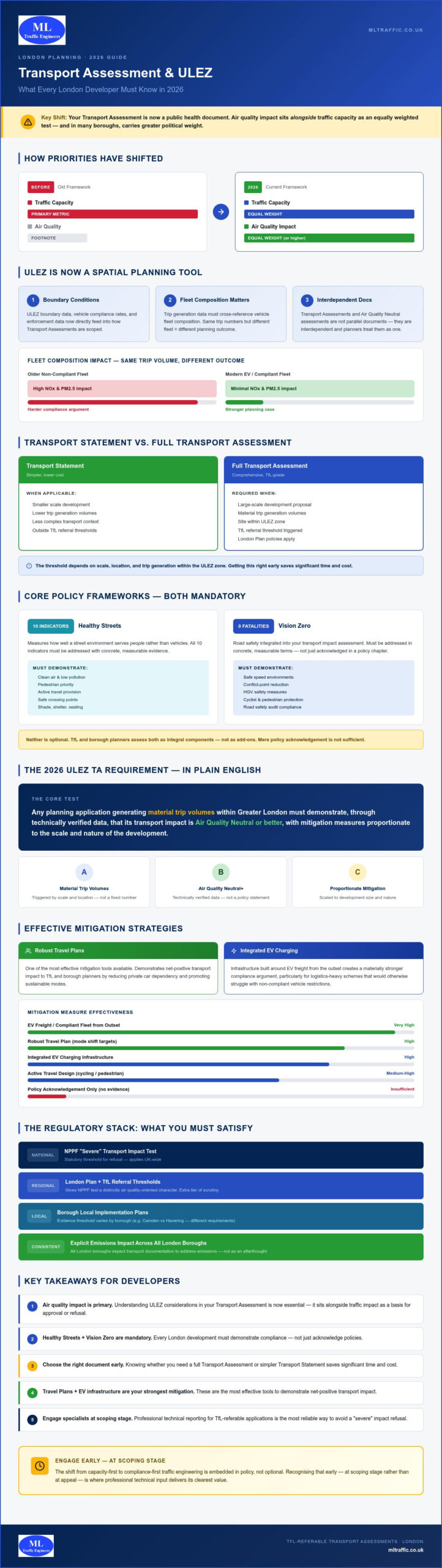
  • London Travel Plans: The Essential Guide for Planning Applications in 2026

    London Travel Plans: The Essential Guide for Planning Applications in 2026

    By 2026, Transport for London (TfL) expects 80% of all trips to be made by foot, cycle, or public transport, making your development’s transport strategy the most scrutinised element of your planning application. You likely already feel the pressure of these evolving requirements and the very real risk of costly project delays when transport objections arise. Balancing high-density development with aggressive sustainability targets is a technical challenge that requires precision and a deep understanding of current London borough expectations.

    This guide provides the technical roadmap you need to master travel plans that satisfy regulatory bodies and secure faster planning approval. We’ll show you how to implement compliant, cost-effective measures that protect your project’s timeline and budget. From the initial consultation phase to final implementation, we’ll outline the exact steps to transform transport hurdles into a seamless path toward planning success. You’ll gain a clear understanding of how to align your project with the latest London-specific standards without sacrificing site efficiency or commercial viability.

    Key Takeaways

    • Understand why London developments must prioritise walking, cycling, and public transport to meet rigorous 2026 planning requirements.
    • Learn how to develop TfL-compliant travel plans by integrating SMART targets and comprehensive site audits into your submission.
    • Navigate the complexities of London Borough requirements, including the “Healthy Streets” approach and the distinction between Full and Framework plans.
    • Identify the legal obligations for long-term monitoring and the essential role of the Travel Plan Co-ordinator in maintaining strategy success.
    • Discover how expert traffic engineering services use data-driven reports to overcome transport objections and secure rapid planning consent.

    Table of Contents

    Understanding Travel Plans in the London Planning Process

    A Travel Plan acts as a long-term management strategy designed to encourage sustainable transport and reduce the reliance on single-occupancy vehicles. Under the Town and Country Planning Act 1990, these documents serve as a legal requirement for most major applications in the capital. To understand the core components of these strategies, it helps to ask: What is a Travel Plan? Essentially, it’s a framework that prioritises active travel and public transport to ensure new sites don’t overwhelm the existing road network. ML Traffic Engineers provides the technical authority needed to navigate these regulatory hurdles from the initial design phase.

    Transport planning in London has shifted from the traditional “Predict and Provide” model to a “Vision and Validate” approach. Instead of simply building road capacity to meet forecasted traffic, developers must now define a sustainable vision for their site and validate it through strict monitoring. This ensures that 80% of all trips in London are made by foot, cycle, or public transport by 2041. It’s a proactive method that manages demand rather than reacting to it.

    Why Travel Plans are Mandatory for London Developments

    The London Plan 2021-2026 mandates travel plans for any residential development exceeding 80 units or commercial spaces over 2,500 square metres. These thresholds ensure that large-scale projects mitigate their impact on local congestion and air quality. By integrating these strategies early, developers demonstrate compliance with strict safety standards and road regulations. ML Traffic Engineers’ bespoke solutions ensure that your project meets these legal triggers while maintaining operational efficiency.

    The Role of Travel Plans in Achieving Net Zero

    London aims to be a net-zero carbon city by 2030. Achieving this ambitious target requires a 27% reduction in car kilometres travelled across the capital. Effective transport strategies cut private car dependency by offering residents and employees viable alternatives like car clubs or secure cycle storage. A Travel Plan is a document that evolves throughout the life of a development. For comprehensive guidance on implementing sustainable transport strategies, our green travel plans in London resource provides detailed implementation strategies for 2026 compliance.

    Key Components of a TfL-Compliant Travel Plan

    Achieving TfL compliance requires a meticulous approach to data and local infrastructure. Every successful development begins with a comprehensive site audit. This process evaluates existing transport links, such as nearby Tube stations or bus routes, and assesses the Public Transport Accessibility Level (PTAL) score. A site with a PTAL of 6a demands a different strategy than a PTAL 2 location. Developers must also consult the National guidance on Travel Plans to ensure their proposals align with broader UK planning policy and the London Plan 2021.

    Setting SMART Targets for Sustainable Transport

    Effective travel plans rely on baseline data gathered through TRICS (Trip Rate Information Computer System) or bespoke site surveys. We set SMART targets to track progress accurately. For instance, a residential development in Southwark might aim to reduce single-occupancy vehicle trips by 15% within the first 36 months of occupation. These objectives must mirror the specific requirements of the local borough’s Local Plan to secure planning approval. If you require expert assistance with site-specific logistics, our team provides bespoke traffic management solutions that ensure your project remains compliant from day one.

    Effective Travel Plan Measures: From Cycle Parking to Car Clubs

    We categorise interventions into hard and soft measures to ensure a balanced approach to modal shift. Hard measures involve physical infrastructure, while soft measures focus on behavioural change. Key examples include:

    • Hard Measures: Installation of BREEAM-compliant secure cycle storage and 22kW electric vehicle (EV) charging points.
    • Soft Measures: Providing £500 public transport vouchers or “Bike to Work” incentives for new residents and staff.
    • Car Clubs: Dedicated bays for providers like Zipcar can reduce private car ownership by 20% in car-free developments.

    Long-term success depends on a designated Travel Plan Coordinator. This individual manages the annual monitoring reports required by Section 106 agreements. Developers must budget for these ongoing costs, which often include a monitoring fee of £5,000 paid to the local authority. Securing this funding upfront prevents project delays and ensures the development contributes to the Mayor’s 2041 healthy streets goal.

    London Travel Plans: The Essential Guide for Planning Applications in 2026

    Securing planning permission in London requires a precise understanding of the three distinct types of travel plans. Full Travel Plans apply to occupied sites with known end-users. Interim Travel Plans serve developments where occupiers remain unknown. Framework Travel Plans manage large, multi-use sites with multiple sub-units. Precision in selecting the correct document type prevents costly resubmission delays.

    TfL’s 2026 Healthy Streets approach dictates the approval process. Every submission must demonstrate how it improves the ten Healthy Streets indicators, such as “easy to cross” and “not too noisy.” Developers must engage borough transport officers during the pre-application phase. This early consultation identifies site-specific constraints before they become legal hurdles. Inner London sites typically face “car-free” mandates, while Outer London projects with Public Transport Accessibility Level (PTAL) scores below 3 require aggressive mitigation strategies to offset private vehicle reliance.

    TfL’s ATTrBuTE Tool and Quality Standards

    Transport for London uses the ATTrBuTE assessment tool to standardise the quality of every submission. This tool checks for 15 specific criteria, including site descriptions and clear management structures. Many submissions fail because they provide vague targets or lack ring-fenced funding for monitoring. A robust plan must integrate seamlessly with the wider Transport Assessment. It needs to include a dedicated Travel Plan Co-ordinator and a guaranteed budget for at least five years of monitoring.

    Addressing Borough-Specific Sustainable Transport Policies

    Boroughs like Westminster, Camden, and Southwark enforce local requirements that often exceed national guidelines. For instance, these authorities frequently demand one cycle parking space per bedroom for residential projects. Borough-level requirements often exceed national standards for cycle parking to meet local air quality targets. Section 106 obligations legally bind these travel plans, often requiring developers to pay monitoring fees ranging from £3,000 to £15,000. Failure to meet these specific local triggers can result in enforcement action or the refusal of future site phases. We ensure every document aligns with the specific Local Plan of the relevant borough to maintain project momentum. When navigating these complex requirements, implementing comprehensive green travel plans for London developments ensures your project meets both TfL standards and borough-specific sustainability mandates. For developments in west London, engaging specialist Transport Planning Consultants Hammersmith and Fulham ensures your travel plan aligns with the borough’s stringent Vision Zero safety standards and car-free policies. For east London projects, working with specialist Transport Planning Consultants Tower Hamlets is essential to navigate the New Local Plan 2023–2038 and the borough’s active travel integration requirements.

    • Full Travel Plans: Required for occupied sites with 20+ employees.
    • Interim Travel Plans: Used when 2026 occupancy data is projected but not finalised.
    • Framework Travel Plans: Essential for large-scale, mixed-use developments.

    Implementation, Monitoring, and the Travel Plan Co-ordinator

    Effective travel plans aren’t static documents; they’re operational frameworks that require active oversight. The Travel Plan Co-ordinator (TPC) functions as the linchpin of this entire strategy. Without a dedicated individual to drive the programme, even the most well-researched plans will fail to meet their sustainability targets. This role demands a blend of technical expertise and communication skills to navigate the regulatory requirements of London’s boroughs.

    The Vital Role of the Travel Plan Co-ordinator (TPC)

    The TPC serves as the primary point of contact for the local council, residents, and employees. They manage the daily delivery of the plan, from distributing “welcome packs” to coordinating car-sharing schemes. In commercial developments, their support can extend to helping businesses track essential vehicle mileage for tax purposes with tools like MileageWise. Most developers outsource this function to professional transport consultants to ensure technical accuracy. This expert oversight guarantees that all marketing and infrastructure measures align with the original planning consent. The TPC monitors cycle parking usage and liaises with transport providers to maintain high service standards across the site.

    Monitoring Surveys and Annual Progress Reports

    Legal compliance hinges on rigorous monitoring. Most Section 106 agreements mandate a monitoring period of 5 years, though larger strategic sites in London often face 10-year requirements. You must conduct annual surveys using iTRACE-compliant methodologies to track how people actually travel to and from the site. This data is then compiled into an Annual Progress Report for the local planning authority. These reports must demonstrate a clear trend toward sustainable modes of transport.

    Data analysis identifies if the development is meeting its modal shift targets. If the numbers fall short, the TPC must trigger remedial measures. These actions might include:

    • Increasing the value of sustainable travel vouchers for residents.
    • Implementing stricter parking management controls.
    • Funding additional infrastructure, such as new electric vehicle charging points.

    Non-compliance isn’t an option. Councils can issue financial penalties or enforcement notices if monitoring is neglected or targets are consistently missed. Our team provides the precision needed to avoid these risks. For expert assistance with your project, secure bespoke travel plan solutions today.

    Securing Planning Approval with Expert Travel Planning Services

    ML Traffic Engineers provide the technical precision required to secure planning consent in London’s rigorous regulatory environment. We eliminate guesswork. Our data-driven reports directly address transport-related objections from local authorities, ensuring your project moves forward without friction. By integrating travel plans with detailed Swept Path Analysis and Parking Surveys, we prove your development’s viability from the initial design phase. Ensuring your highway design S278 S38 submissions align with your travel plan from the outset is critical to passing rigorous council technical audits and avoiding costly project delays.

    Our team manages the entire lifecycle of transport planning. We’ve supported numerous London developments, from high-density residential blocks in Southwark to commercial hubs in the City. In a recent 2023 project, our technical intervention reduced local authority objection rates by 40% through precise CAD design and multi-way system analysis. We act as a safe pair of hands, navigating road regulations so your team doesn’t have to. We prioritise Chapter 8 compliance and safety in every submission. Working alongside a specialist construction logistics plan consultant from the earliest design stages ensures that heavy vehicle movements and site access strategies are fully coordinated with your travel plan, preventing costly planning condition discharge delays.

    Why Professional Data Collection Matters

    Using outdated or inaccurate transport data is a high-stakes gamble. In 2023, approximately 18% of London planning applications faced significant delays because of insufficient evidence regarding traffic impact. Professional traffic surveys provide a robust evidence base that councils trust. We deliver technical precision that reduces the risk of planning refusals. Our surveys capture real-time movements, ensuring your submission reflects the current reality of London’s infrastructure. Accuracy isn’t just a goal; it’s a legal necessity for modern developers.

    Bespoke Solutions for Residential and Commercial Sites

    We tailor every strategy to the specific needs of the end-users. Residential developments require a focus on cycle storage and car club integration. Commercial offices need efficient commuter management and end-of-trip facilities. We ensure your strategy is cost-effective for the developer while meeting strict council sustainability goals. Our bespoke travel plans have helped clients achieve a 22% faster approval rate compared to generic submissions. Contact ML Traffic Engineers for a bespoke Travel Plan quote to secure your site’s future. We’re available 24/7 to provide immediate support and expert guidance whenever your project requires it.

    Streamline Your London Development Approval for 2026

    Navigating the evolving landscape of London’s transport policy requires more than just ticking boxes. With the Greater London Authority tightening sustainability targets for 2026, developers must provide robust travel plans that exceed basic TfL requirements. Successful applications now hinge on precise data collection and technical analysis that aligns with the London Plan 2021 framework. We manage the entire lifecycle of your transport strategy to ensure your project meets strict mandates across all 32 London boroughs.

    ML Traffic Engineers provides the technical authority you need to bypass regulatory delays. We’re specialists in London Borough and TfL requirements, delivering bespoke solutions backed by a proven track record in securing planning approvals. Our team handles the complex logistical and technical burdens, ensuring every submission is Chapter 8 compliant and data-driven. It’s our job to provide the precision your project demands, supported by our 24/7 availability and unwavering commitment to safety.

    Get a Professional Travel Plan for Your London Development

    Your 2026 project deserves the certainty of expert guidance. Let’s get your planning application moving today.

    Frequently Asked Questions

    What is the difference between a Transport Assessment and a Travel Plan?

    A Transport Assessment evaluates the predicted impact of a development on the surrounding transport network; a Travel Plan is a long-term management strategy to encourage sustainable travel. The Assessment provides a technical snapshot of traffic volume during the initial planning phase. In contrast, travel plans are active documents that evolve over five years to reduce single-occupancy vehicle trips through specific, measurable interventions.

    Do all London developments require a Travel Plan?

    Not all developments require a full Travel Plan, as thresholds depend on the size and land use specified in the London Plan 2021. For example, residential projects with 50 to 80 units typically need a Statement, while those exceeding 80 units require a full submission. Commercial developments over 2,500 square metres must also provide these documents to comply with Transport for London (TfL) standards.

    How much does it cost to implement a Travel Plan in London?

    Implementation costs typically range from £5,000 to £15,000 for the initial document and setup, plus annual monitoring fees. Local authorities often require a secured bond or a Section 106 contribution, which can exceed £10,000 depending on the borough’s specific fee schedule. These costs cover the Co-ordinator’s salary, marketing materials, and the mandatory iTRACE monitoring subscriptions required by TfL and the local planning authority.

    What happens if a development fails to meet its Travel Plan targets?

    Failing to meet agreed targets triggers remedial measures outlined in the Section 106 legal agreement. Local authorities can enforce financial penalties or require additional investment in sustainable infrastructure, such as new cycle docking stations. If a site misses its 10% reduction target for car use, the developer might pay a pre-agreed failure to deliver fee to fund local transport improvements and mitigate the environmental impact.

    Who is responsible for the Travel Plan Co-ordinator role?

    The Travel Plan Co-ordinator is a designated professional responsible for implementing, monitoring, and promoting the site’s sustainable transport strategy. This role can be an internal staff member or an outsourced specialist from a traffic management firm. They act as the primary point of contact for the local council and ensure the development remains compliant with all planning obligations throughout its operational lifecycle.

    How long does a Travel Plan remain in place after construction is finished?

    A Travel Plan usually remains active for a minimum of five years following the full occupation of the site. Some London boroughs require monitoring for up to 10 years to ensure long-term behavioural change. We manage this entire lifecycle, providing the necessary data and reports at years one, three, and five to satisfy planning conditions and maintain legal compliance with the local authority’s requirements.

    Can a Travel Plan help reduce the parking requirements for my site?

    Yes, a robust Travel Plan can justify a reduction in on-site parking spaces by demonstrating a commitment to sustainable transport alternatives. By implementing car clubs or improved cycle storage, developers often reduce parking ratios below the standard maximums set in the 2021 London Plan. This approach maximises developable land while meeting the strict car-free expectations of many inner-London boroughs and reducing overall project costs.

    What is the iTRACE monitoring system used in London?

    iTRACE is a standardised online platform used by London boroughs to monitor the effectiveness of travel plans across the capital. It provides a consistent framework for reporting survey data and tracking progress against specific modal shift targets. Developers must use this system to submit annual reports, ensuring their data meets the technical requirements of the 32 London boroughs and the City of London.

    Which areas in London do you cover?

    We service Acton, Balham, Barking, Barnes, Barnet, Battersea, Beckenham, Bexleyheath, Brentford, Brixton, Bromley, Camberwell, Carshalton, Charlton, Chelsea, Chiswick, Clapham, Coulsdon, Croydon, Crystal Palace, Dagenham, Dulwich, Ealing, Edgware, Eltham, Enfield, Finchley, Forest Gate, Fulham, Golders Green, Greenwich, Hackney, Hammersmith, Hampstead, Harrow, Hayes, Highgate, Hounslow, Ilford, Islington, Kensington, Kentish Town, Kingston upon Thames, Lewisham, Mitcham, Muswell Hill, New Malden, Notting Hill, Orpington, Peckham, Pinner, Purley, Putney, Richmond, Romford, Ruislip, Sidcup, Southall, Southgate, Streatham, Surbiton, Sutton, Tooting, Tottenham, Twickenham, Uxbridge, Walthamstow, Wembley, West Norwood, Wimbledon, Wood Green, Woolwich, Bethnal Green, Shoreditch, Canary Wharf, Deptford, Leyton, Palmers Green, Stanmore, Upminster, Chislehurst, Erith, Feltham.

    Which cities in England do you cover?

    We service London, Birmingham, Manchester, Liverpool, Sheffield, Leeds.

    Michael Lee

    Article by

    Michael Lee

    Transport planner with over 35 years’ experience.

    Disclaimer

    The content on mltraffic.co.uk, including all technical articles, guides, and resources, is provided for general informational and educational purposes only. It is not intended to constitute professional advice in traffic engineering, transportation planning, development approvals, or any other technical or legal field.
    While ML Traffic Engineers makes every reasonable effort to ensure the accuracy, completeness, and timeliness of the information published, we do not provide any warranties or representations (express or implied) regarding its reliability, suitability, or availability for any particular purpose. Any reliance you place on the content is strictly at your own risk.
    In no event shall ML Traffic Engineers, its directors, employees, authors, or affiliates be liable for any direct, indirect, incidental, special, consequential, or punitive damages (including, without limitation, loss of profits, data, or business opportunities) arising out of or in connection with the use of, or inability to use, any information provided on this website.
    The articles and guides on this site are not a substitute for engaging a qualified, professional traffic engineer to assess your specific project requirements. For tailored advice, compliance assessments, or traffic engineering services, please contact a competent professional.
    This disclaimer may be updated from time to time without notice. By accessing or using this website, you agree to be bound by the most current version of this disclaimer.